

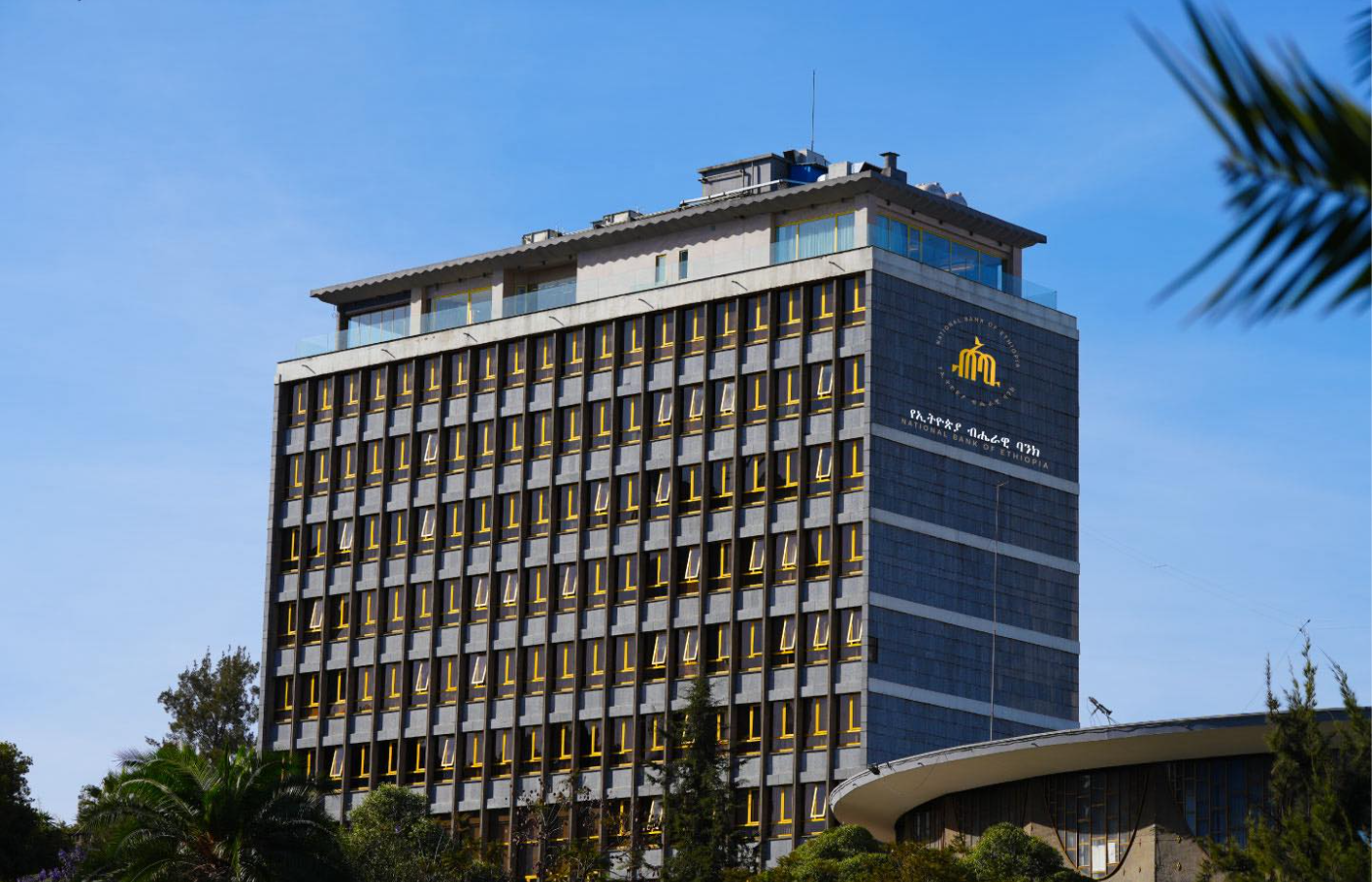
The International Monetary Fund has called on Ethiopia to complete the governance overhaul of the National Bank of Ethiopia (NBE), emphasising the need for technical expertise on its board as the central bank shifts toward a modern, interest-rate-based monetary framework. The reforms aim to strengthen independence, anchor long-term price stability, and boost market confidence.
Under the amended NBE Proclamation, the bank is required to establish a specialized Board of Directors capable of guiding a complex financial system. One board member was appointed in September 2025, but four additional experts are expected from the Prime Minister’s Office to finalise the governance transition. The IMF stressed that these appointments must prioritise technical competence to ensure the NBE can fully execute its policy mandate.
The urgency for an independent board is underlined by the central bank’s move away from direct administrative controls, such as limits on private credit, toward a price-signaling system where the policy interest rate serves as the primary instrument. To support this shift, the NBE has strengthened liquidity management through its interbank money market, which recorded cumulative transactions exceeding one trillion Birr by September 2025, revised reserve requirements to allow daily cash flexibility, and committed to publishing audited accounts for the 2024/25 fiscal year by the end of 2025.
Financial sustainability remains a priority. The IMF noted that a well-capitalized NBE would enhance operational autonomy and market confidence, a crucial factor in achieving single-digit inflation and phasing out the 2.5 percent foreign exchange commission fee.
With general elections scheduled for June 2026, the IMF warned that an independent, technically proficient central bank is vital to resist pressures for increased public spending that could reignite inflation. Completing board appointments with skilled experts will position the NBE to navigate Ethiopia’s evolving market-determined exchange rate and interest-rate corridors while supporting stable, private-sector-led growth.




