

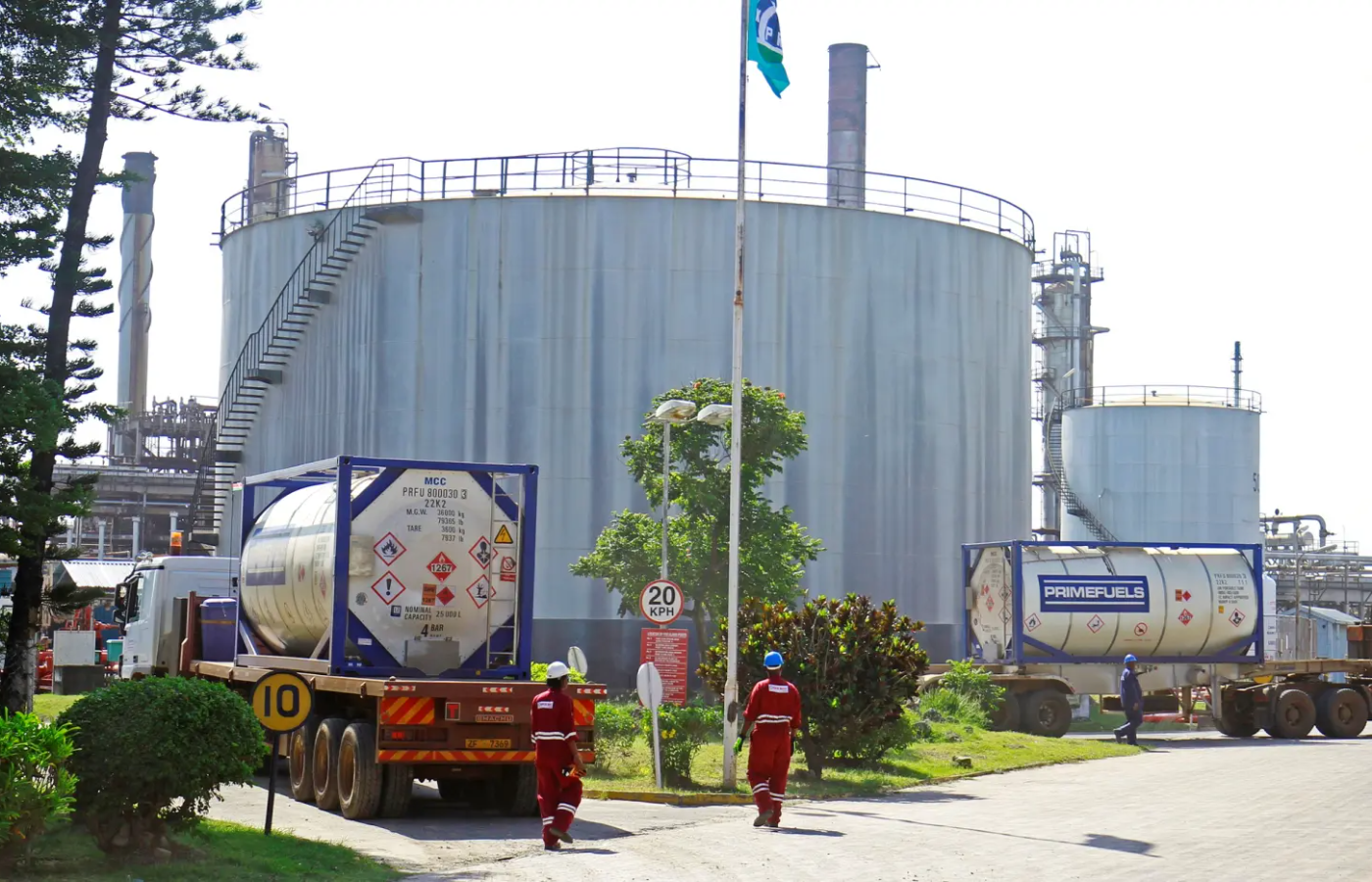
Kenya has launched the largest initial public offering in East Africa’s history, selling a majority stake in its state-owned oil pipeline company, as mounting debt pressures push President William Ruto’s government toward privatisation after years of state expansion.
The government is offering 65 per cent of Kenya Pipeline Company, aiming to raise 106.3 billion Kenyan shillings (825 million US dollar) — a move officials frame as “innovative financing” but critics see as a symptom of a narrowing fiscal playbook in one of the region’s most indebted economies.
Finance minister John Mbadi said the sale reflects the limits of conventional funding tools. “There is no space left in taxation or debt,” he said at the launch, underscoring the severity of the government’s budget constraints as debt repayments absorb roughly 40 percent of annual revenues.
The IPO, priced at nine shillings per share, will run until February 19, with shares scheduled to list on the Nairobi Securities Exchange on March 9. The state will retain a 35 per cent holding, ceding operational control of a strategic energy asset that transports petroleum products across Kenya and the wider region.
The deal eclipses the 2008 Safaricom flotation in local-currency terms, though currency depreciation means it remains smaller in dollar value. Still, the scale of the offering makes it a critical test of investor confidence in Kenya’s economic management.
The government is tapping a moment of market exuberance. Kenyan equities have surged more than 50 percent over the past year, outperforming frontier-market peers amid a global rebound in equity issuance. Officials argue the rally provides an opportunity to broaden ownership of state assets while easing pressure on public finances.
Yet the decision has reignited debate over whether Nairobi is selling valuable infrastructure at a time of fiscal stress, potentially sacrificing long-term revenue for short-term relief.
Under the allocation plan, 15 percent of shares are reserved for oil marketing companies, 5 percent for employees, and the remainder split evenly between local retail investors, local institutions, regional investors and foreign funds.
Investment bank Faida is advising on the transaction, while analysts expect interest from energy-focused institutional investors alongside domestic retail participation.
The pipeline sale follows government efforts to trim its stake in other major assets, including telecoms group Safaricom, signalling a broader recalibration of Kenya’s relationship with the market after years of debt-fuelled infrastructure spending.
Across Africa, IPO activity has picked up after years of stagnation, but Kenya’s move stands out for its scale — and its urgency. Whether the deal marks the start of a disciplined privatisation drive or a one-off response to fiscal distress may shape investor perceptions well beyond the Nairobi bourse.




