

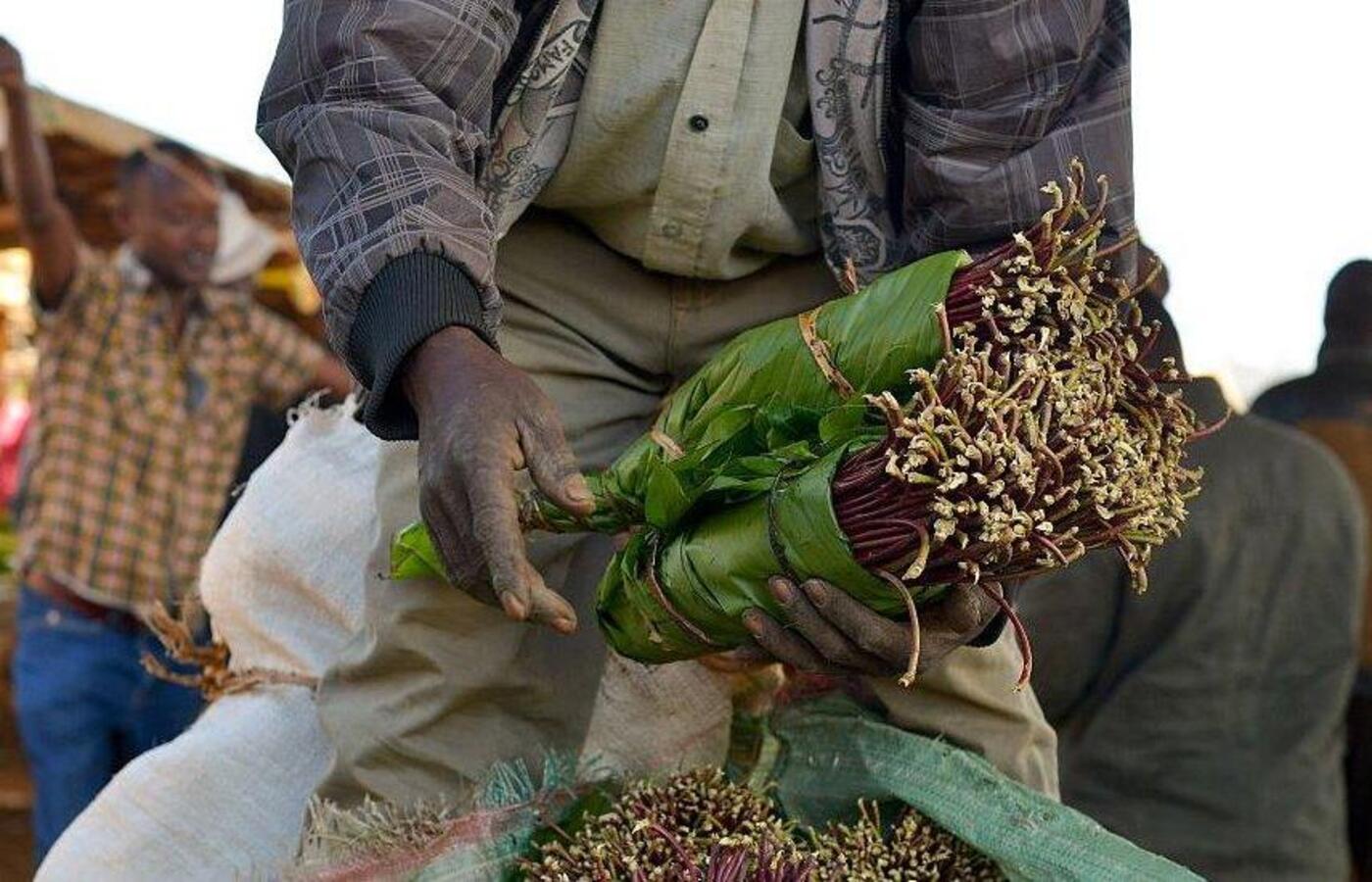
The Kenyan government has officially reopened its border with Somalia to facilitate the export of miraa (khat), ending years of restrictions that had weighed heavily on farmers and traders. The move comes after a request from lobby groups and follows diplomatic engagements between Kenya and Somalia aimed at strengthening cross-border trade.
According to reports by Kenyan local media outlets, the National Security Council Committee approved the resumption of miraa trade at designated border points, including Mandera, Liboi, and Kiunga. This reopening is specifically for the transportation of miraa by road to Somalia.
Kenyan officials hailed the development as a “major win” for farmers and traders miraa-growing regions, noting the move will help restore livelihoods disrupted by previous border closures.
The Kenya-Somalia border has been in a phased reopening process since May 2023, after being closed in 2011 due to threats from Al-Shabaab militants. While initial agreements between Kenya’s Interior Cabinet Secretary Kithure Kindiki and Somalia’s Interior Minister outlined a gradual reopening of key points over 90 days, progress has repeatedly stalled due to renewed security concerns.
Despite the delays, initiatives like the UK-funded Deris Wanaag (Good Neighbourliness) programme have supported intelligence sharing and border management, creating conditions for safe trade.
Kenya exports roughly 13 to 17 tonnes of miraa daily to Somalia, generating about 1.85 million US dollars in foreign exchange every four days and supporting over 1.4 million livelihoods across the country.
Since reopening the Somali market in July 2022, Kenya has exported more than 17 million kilograms of miraa, with Somalia remaining the primary destination for 80–90 percent of the trade.
However, competition from Ethiopia has intensified in recent years. Ethiopian khat producers, leveraging lower prices and faster supply chains, have eroded Kenya’s share of the Somali market. Official Ethiopian exports to Somalia dropped to 2,580 tonnes in the first quarter of 2025/26—a 35 percent decline from the previous year—but illicit trade continues to meet much of Somalia’s daily demand, estimated at 500,000 kilograms.
Analysts say Ethiopian producers are increasingly favored in Somali markets despite diplomatic and logistical hurdles, contributing to a 16.9 percent drop in Kenyan miraa exports in early 2025.
The border reopening is expected to strengthen Kenya-Somalia economic ties while providing a lifeline to domestic miraa farmers. It also comes against a backdrop of broader diplomatic and trade challenges, including ongoing disputes over maritime boundaries and refugee management.




