

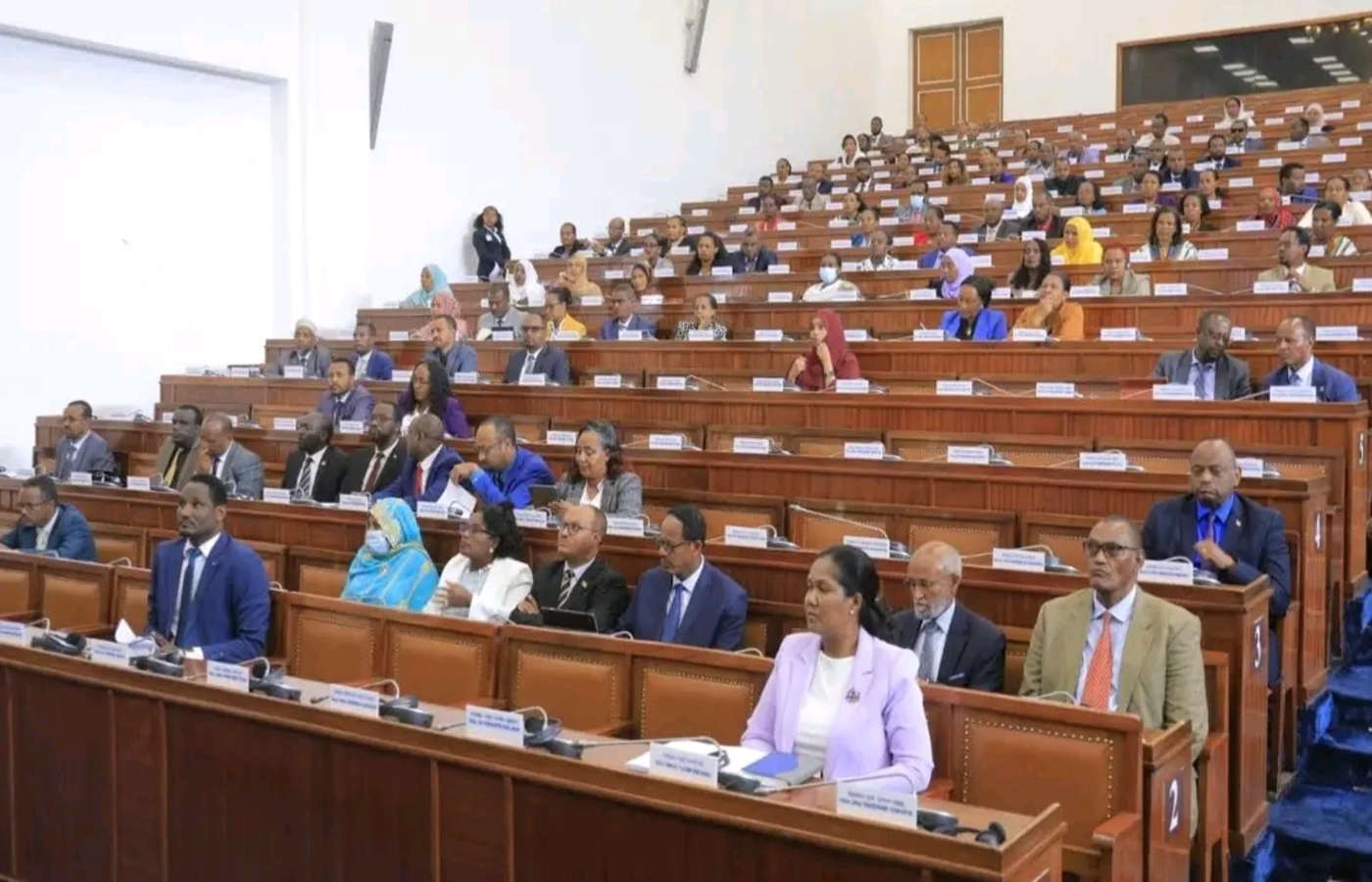
Parliament is drafting a comprehensive Sports Proclamation aimed at rescuing the country’s struggling athletics sector, imposing accountability on officials, athletes, and journalists, and dismantling systems of corruption and malpractice that lawmakers say have undermined the nation’s international reputation.
The announcement from the House of Peoples’ Representatives frames the legislation as an urgent intervention. The draft law seeks to create a legal framework to eradicate ethical deficiencies, regulate athlete selection, clarify administrative jurisdictions, and introduce consequences for violations ranging from financial misuse to ethical breaches.
During parliamentary discussions, MPs highlighted structural weaknesses constraining Ethiopian sports. These include opaque processes for selecting athletes for international competitions, poorly managed sports associations, and restrictive access to training facilities.
MP Desalegn Chane (PhD) attributed significant responsibility to government policy, particularly in infrastructure development. “The government bears the largest share of responsibility for the decline,” he said, noting that policies are crafted “by those who do not understand the nature of the sector.” He criticised charging athletes fees to use state-owned stadiums and highlighted the lack of private investment as a major obstacle to development.
A recurring theme in debates was the absence of legal avenues to address misconduct. Desalegn noted that despite widespread corruption, there is no clear legal framework to prosecute officials who commit offenses.
The draft proclamation seeks to address this by defining which bodies are authorised to register international athletes, set competency standards, and resolve disputes. It also introduces structures to handle issues like athletes’ dual citizenship, overlapping authority between the Ministry of Sport and the judiciary, and independent financial audits.
MP Mohammed Shukur urged that the drafting process be opened to public and expert scrutiny, calling for sector specialists and international sports bodies to evaluate the text. He linked the prolonged conflict between the Ethiopian Athletics Federation and the Olympic Committee to the regulatory void, stating, “The reason the conflict could not be resolved is due to the absence of a standard and the unclear authority and role of the court.” He also emphasised financial mismanagement as a critical concern, describing the sector as one where budgets and funds are widely misused. The draft law, he said, must mandate independent oversight of audits and financial management.
Parliament stressed that the crisis in sports administration and ethics has reached a critical point. The proclamation will include mechanisms to legally hold high-level officials, coaches, athletes, and sports journalists accountable for corruption, malpractice, and professional negligence. Lawmakers concluded that these actors collectively share responsibility for Ethiopia’s declining prestige in international competitions.
The draft is expected to enter a consultative phase, during which public feedback and expert input will determine its final form and credibility, laying the groundwork for a supervised and legally enforceable reset of Ethiopian sports.




