

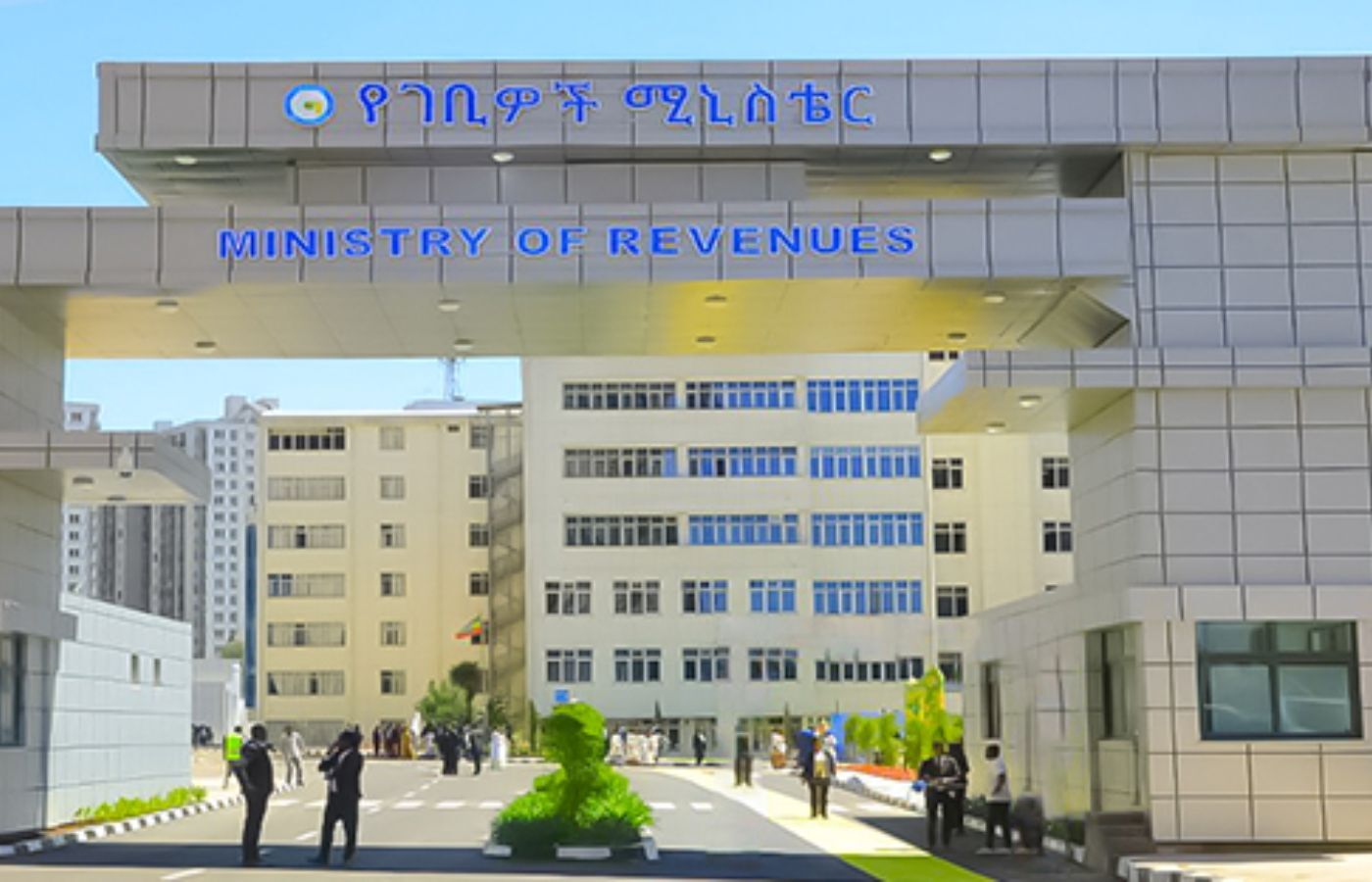
The Ministry of Revenues has issued guidance on tax clearance certificates for bank loans, following widespread confusion among financial institutions over a new format that excludes indirect taxes, according to a letter obtained by Birrmetrics.
Until recently, tax clearance certificates provided by the ministry included all relevant taxes, serving both as proof of payment and a detailed record of the borrower’s overall tax obligations. Banks relied on these certificates to assess borrowers’ eligibility for credit.
An anonymous legal expert at one of the country’s private banks told Birrmetrics that the previous clearance acted as a comprehensive snapshot of a borrower’s tax position. “The authority recently issued a vague clearance stating only the amount of the borrower’s profit tax and specifying that it will not cover indirect taxes,” he said. He added that this caused frustration across banks, prompting the ministry to issue the clarifying letter.
The shift, previously implemented informally, left lenders uncertain about how to treat outstanding indirect tax liabilities when approving loans. The ministry’s letter seeks to standardise the process and reaffirm that the clearance certificate remains valid for loan purposes, even if indirect taxes are not included.
Despite the clarification, the expert noted the certificate could still be more precise. “It must explicitly state whether the borrower owes any indirect taxes,” he said, underlining that ambiguity persists for banks assessing credit risk.




