

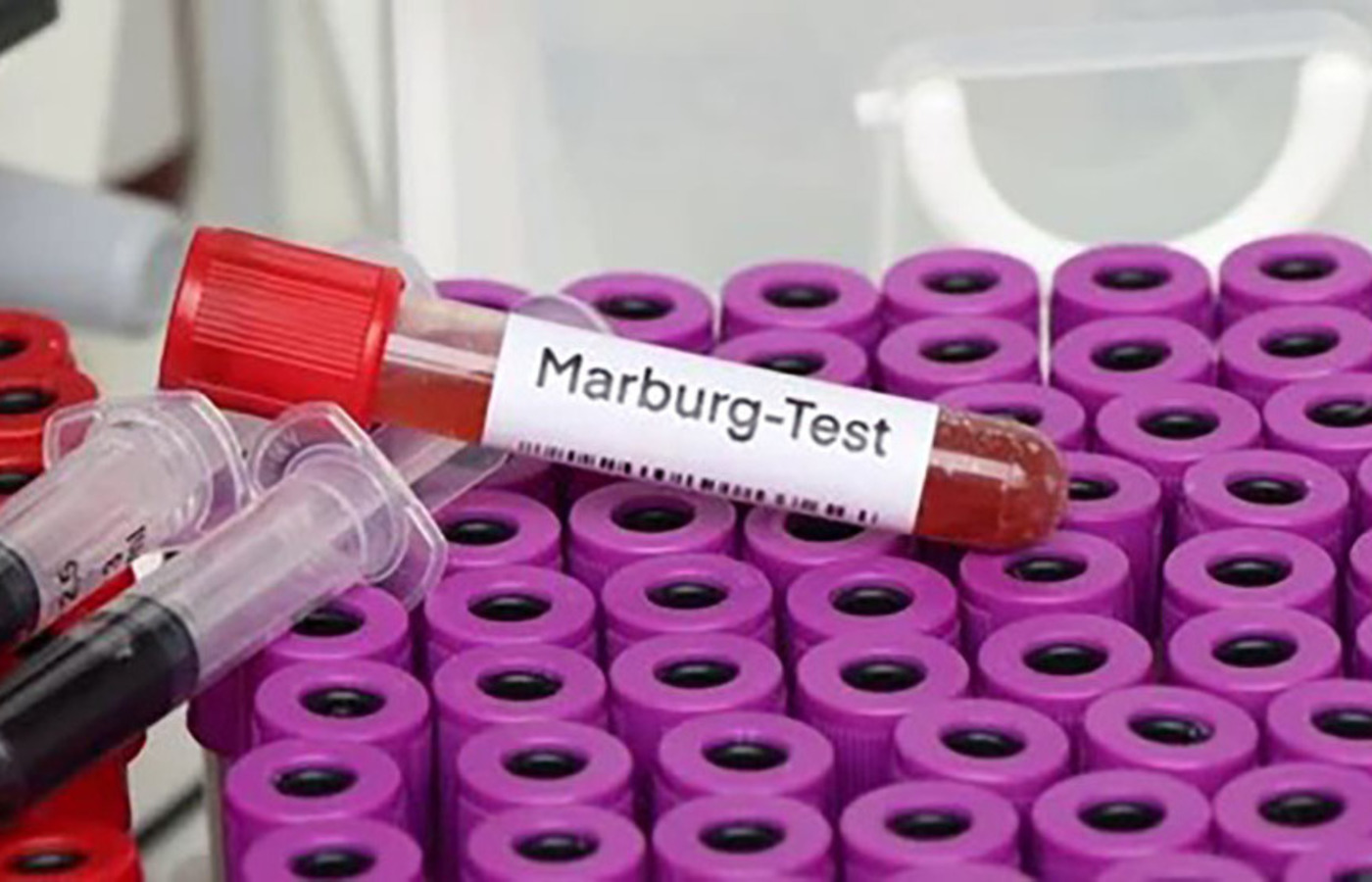
Ethiopia’s first recorded viral haemorrhagic fever outbreak has officially ended, but gaps in surveillance, sanitation, health facility readiness and community awareness could complicate future outbreak detection and response, according to a Red Cross operational update published on May 3, 2026.
The report says the Federal Ministry of Health declared Ethiopia “Marburg free” on January 26, 2026, after two consecutive incubation cycles, or 42 days, passed without any detected case or death. But it also warns that recovery and preparedness efforts remain critical to prevent a possible resurgence.
The Marburg virus disease outbreak was declared on November 14, 2025, after cases were confirmed in South Ethiopia. By early January, 3,745 laboratory tests had been conducted, confirming 14 cases, including nine deaths and five recoveries, according to the update.
The outbreak, reported in Jinka town in South Ethiopia Region, was Ethiopia’s first outbreak of viral haemorrhagic fever. Genetic analysis by the Ethiopian Public Health Institute found that the virus was of the same strain as those reported in previous outbreaks in other East African countries, the report says.
While active transmission has ended, the report says the risk profile has shifted rather than disappeared. It identifies possible resurgence through cross-regional mobility, continued interaction with animal reservoirs, misinformation, stigma, institutional fatigue and a reduced sense of urgency as residual risks following the end of the outbreak.
The update identifies Jinka town and surrounding rural kebeles in South Omo Zone as among the areas that require continued monitoring. It says limited access to health infrastructure, sanitation and
clean water, combined with frequent movement for trade and pastoral activities, could increase exposure and complicate containment efforts if future cases emerge.
Population movement across regional and cross-border routes, including links with Kenya and South Sudan, also increases the risk of wider spread, according to the report. Cultural practices such as close family care for the sick and traditional burial rituals could heighten transmission risks if not managed through community engagement and safe practices.
The May 3 update shifts the story from emergency containment to long-term preparedness. The report says health facility assessments found significant preparedness gaps across facility, border and community levels. Although screening, reporting and outreach activities were operational, infrastructural limitations, insufficient training of health workers and inadequate supplies could affect readiness for future outbreaks.
Water, sanitation and hygiene remain a major concern. In Jinka, assessments found a complete gap in proper handwashing infrastructure, while in Sidama only 28 percent of households were reported to wash hands with running water. Open defecation was also observed in 15 percent of households in Sidama and 10 percent in Jinka, according to the report.
The report says these gaps matter beyond Marburg. Areas identified as at risk of Marburg re-emergence are also affected by malaria and malnutrition. Malaria can present symptoms similar to Marburg, creating challenges for surveillance and detection in areas with insufficient access to testing.
The psychological impact of the outbreak is another concern. The update says Marburg outbreaks are associated with fear, stigma, grief and psychological distress among affected people, families and frontline responders. It points to persistent gaps in access to structured mental health and psychosocial support, weak referral pathways and limited community-level capacity.
The Ethiopian Red Cross Society, supported by the International Federation of Red Cross and Red Crescent Societies through the Disaster Relief Emergency Fund, has been implementing a six-month operation targeting 573,000 people in SNNP and Sidama. The operation received CHF 478,670 and is scheduled to run until May 31, 2026.
Following the end of the emergency phase, the operation has been revised from acute outbreak response toward recovery, systems strengthening and preparedness for future viral haemorrhagic fever outbreaks. The revised approach prioritises surveillance, community-based interventions, health worker training, risk communication, survivor follow-up and mental health support.
Some emergency activities are being reduced or stopped. The report says certain infection prevention, WASH supply procurement, sanitation and spraying activities are no longer considered relevant in the current phase. Instead, assessments will be used to identify readiness gaps in infection prevention materials, triage systems and isolation capacity in health facilities.
Implementation progress has been mixed.
The report says 208 volunteers were trained in community-based surveillance and risk communication, exceeding the target of 200. It also says 188,149 people were reached through household visits, while 299,599 people were reached through group gatherings or community meetings. However, some planned activities recorded limited or no progress after the outbreak was declared over and priorities shifted.
Training of health workers and rapid response team members on case detection, referral, infection prevention and use of protective equipment reached 60 percent of the target. The report says no training was conducted in Sidama Region despite a planned target of 20 participants, pointing to regional disparities that require follow-up.
The update also notes that planned radio and television spots were not implemented because the outbreak had been declared over and priorities changed. Community engagement continued through dialogue sessions, but the report identifies low implementation of media activities and gender imbalance in participation as areas for improvement.
Coordination between the Ministry of Health, the Ethiopian Public Health Institute, WHO, UNICEF, the Ethiopian Red Cross Society and other partners remains active, according to the report. The update says the recovery phase will focus on consolidating surveillance gains, preventing resurgence and strengthening early detection and rapid response systems.




