

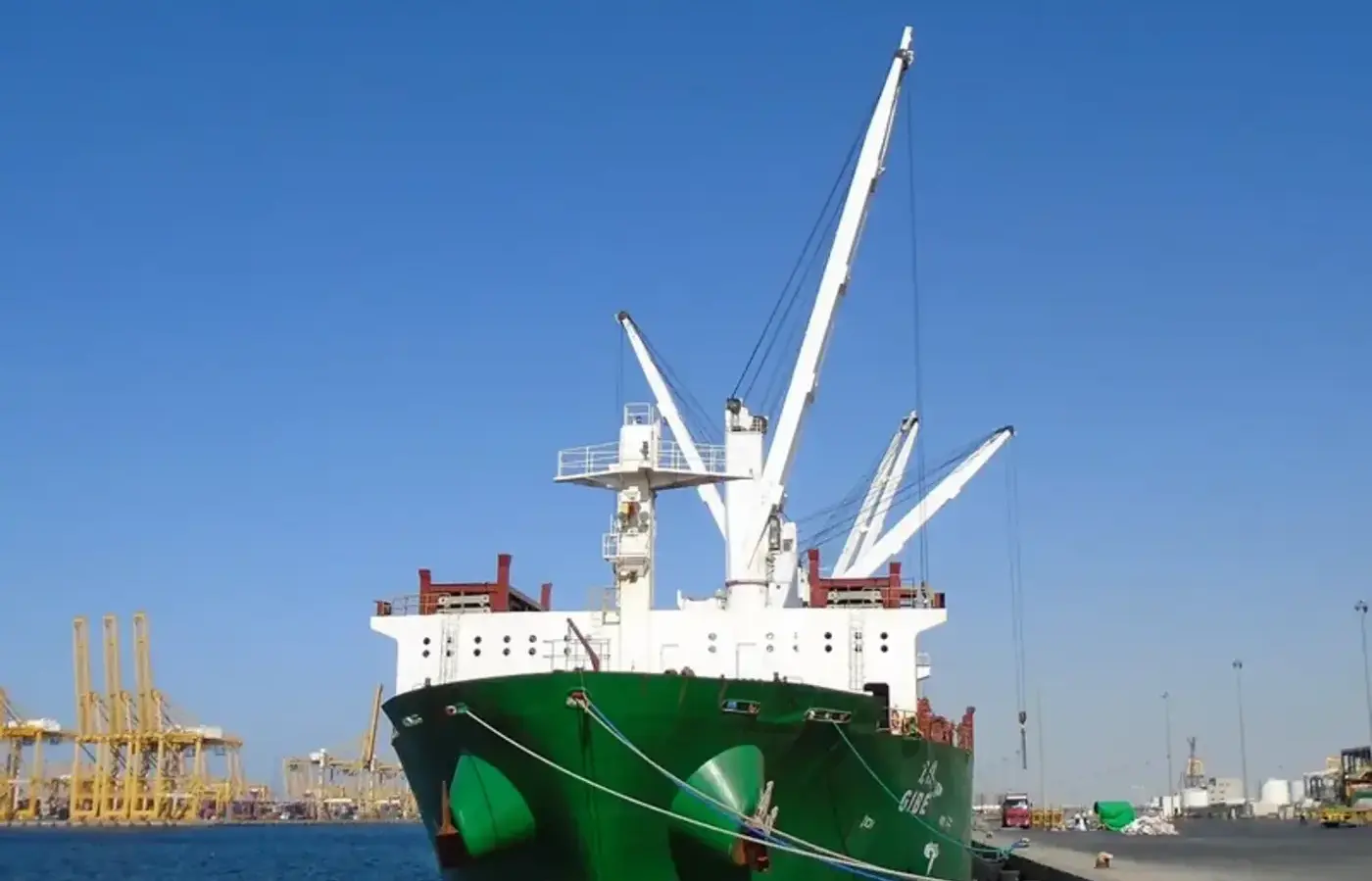
Ethiopia's state-owned cargo vessel MV Gibe has resumed its voyage to Djibouti after a delay near the Strait of Hormuz caused by heightened tensions in the Gulf region, according to Ethiopian Shipping and Logistics (ESL).
The vessel is currently sailing through the Gulf of Oman and is expected to reach the Port of Djibouti at around 8:00pm GMT on June 28, ESL said, indicating that the ship is operating normally and continuing its journey with its cargo on board.
The disruption had raised concerns over the potential impact of regional instability on maritime trade routes serving Ethiopia. As a landlocked country, Ethiopia relies heavily on the Port of Djibouti for the movement of imports and exports, making uninterrupted access to international shipping lanes critical to its economy.
MV Gibe was among vessels navigating a period of heightened uncertainty around the Strait of Hormuz following military escalation involving Iran, Israel and the United States. The waterway, which links the Persian Gulf with the Gulf of Oman and the Arabian Sea, is one of the world's most important maritime chokepoints and a key route for global trade and energy shipments.
Any prolonged disruption in the corridor could affect freight schedules, shipping costs and cargo deliveries for countries dependent on trade routes passing through the region.
Operated by Ethiopian Shipping and Logistics, MV Gibe is part of Ethiopia's national fleet serving international trade routes. The vessel has a carrying capacity of about 27,000 tonnes and forms part of the state-owned company's efforts to support the country's import and export activities through Djibouti.
The ship is among several Ethiopian cargo vessels connecting the country with overseas markets and international ports. Its return to normal operations eases immediate concerns over possible delays to cargo movements linked to developments in the Gulf region.
The incident highlights the vulnerability of global shipping networks to geopolitical tensions in key maritime corridors. For Ethiopia, where the vast majority of external trade passes through Djibouti, the smooth flow of vessels along major international sea lanes remains a crucial component of economic activity and supply chain stability.




