

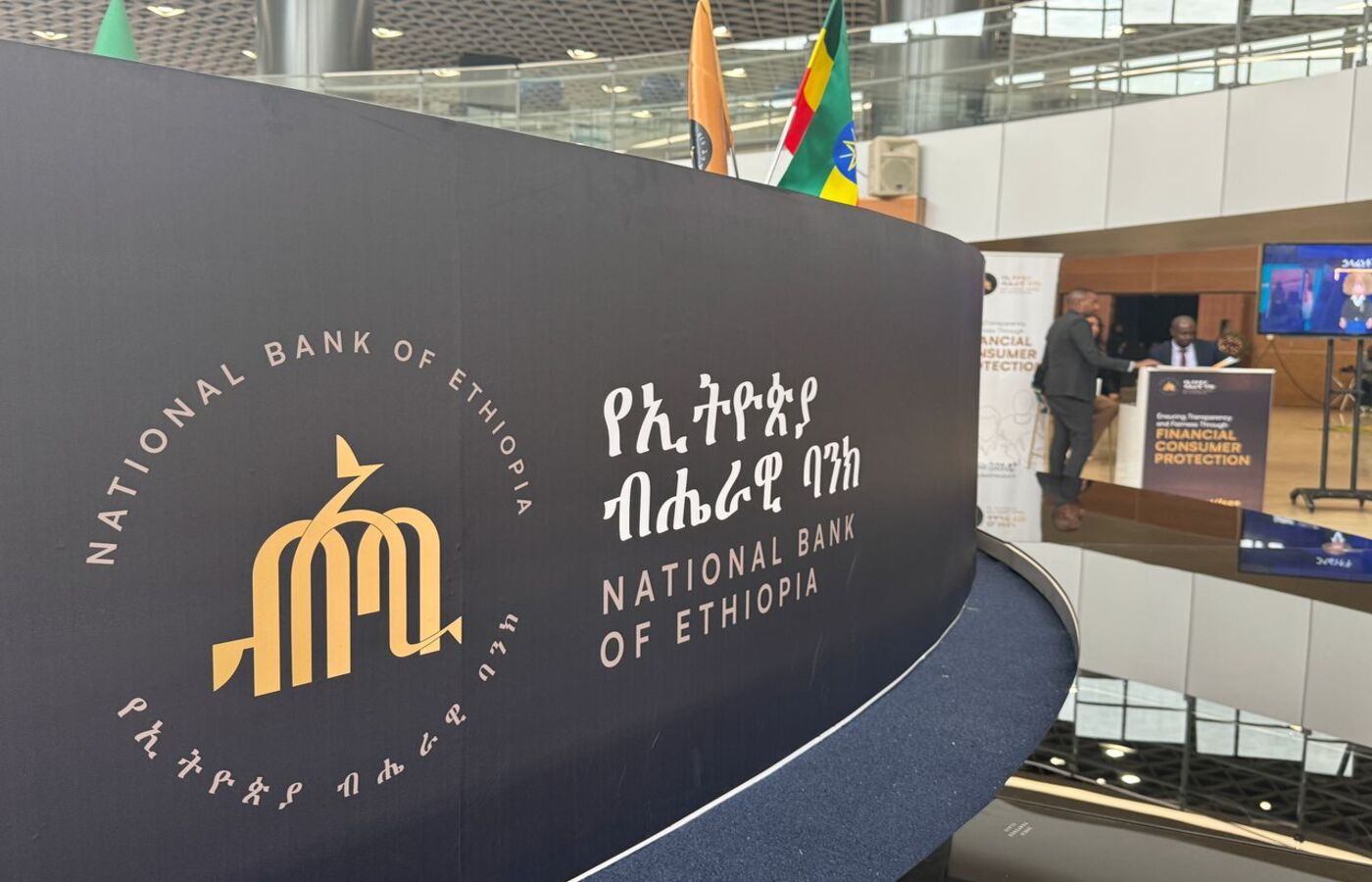
The central bank has warned the diaspora community against using four money transfer operators based in the United States, citing serious allegations of money laundering and financing illicit activity.
In a strongly worded press release issued on Friday, the National Bank of Ethiopia (NBE) accused the operators — Shgey Money Transfer, Adulis Money Transfer, Ramada Pay (Kaah), and TAAJ Money Transfer — of “undermining the integrity of the Ethiopian financial system and distorting market prices.” The accused firms operate primarily out of Silver Spring and Falls Church in the United States, with one based in Minneapolis.
The NBE said it has sought cooperation from authorities in the United States to investigate the matter and urged Ethiopians abroad to “avoid these entities to ensure their funds are transferred safely and legally.”
“There is no guarantee that funds sent will be delivered to intended beneficiaries,” the statement reads, warning that money sent through these channels may be subject to confiscation.
The intervention comes at a time when remittances remain a vital source of foreign exchange for the country, even as their growth lags behind that of exports.
According to official data, remittances reached 7.1 billion US dollars in the last fiscal year — up by approximately one billion US dollars compared to the previous year.
However, this increase was modest compared to the country’s export revenue, which more than doubled from around 3.8 billion US dollars to 8.3 billion US dollars in the same period.
While remittances remain resilient, concerns about informal channels and illicit financial flows have grown more prominent.
Authorities have previously cautioned that unregulated transactions contribute to exchange rate distortions and complicate macroeconomic stabilisation efforts.




