

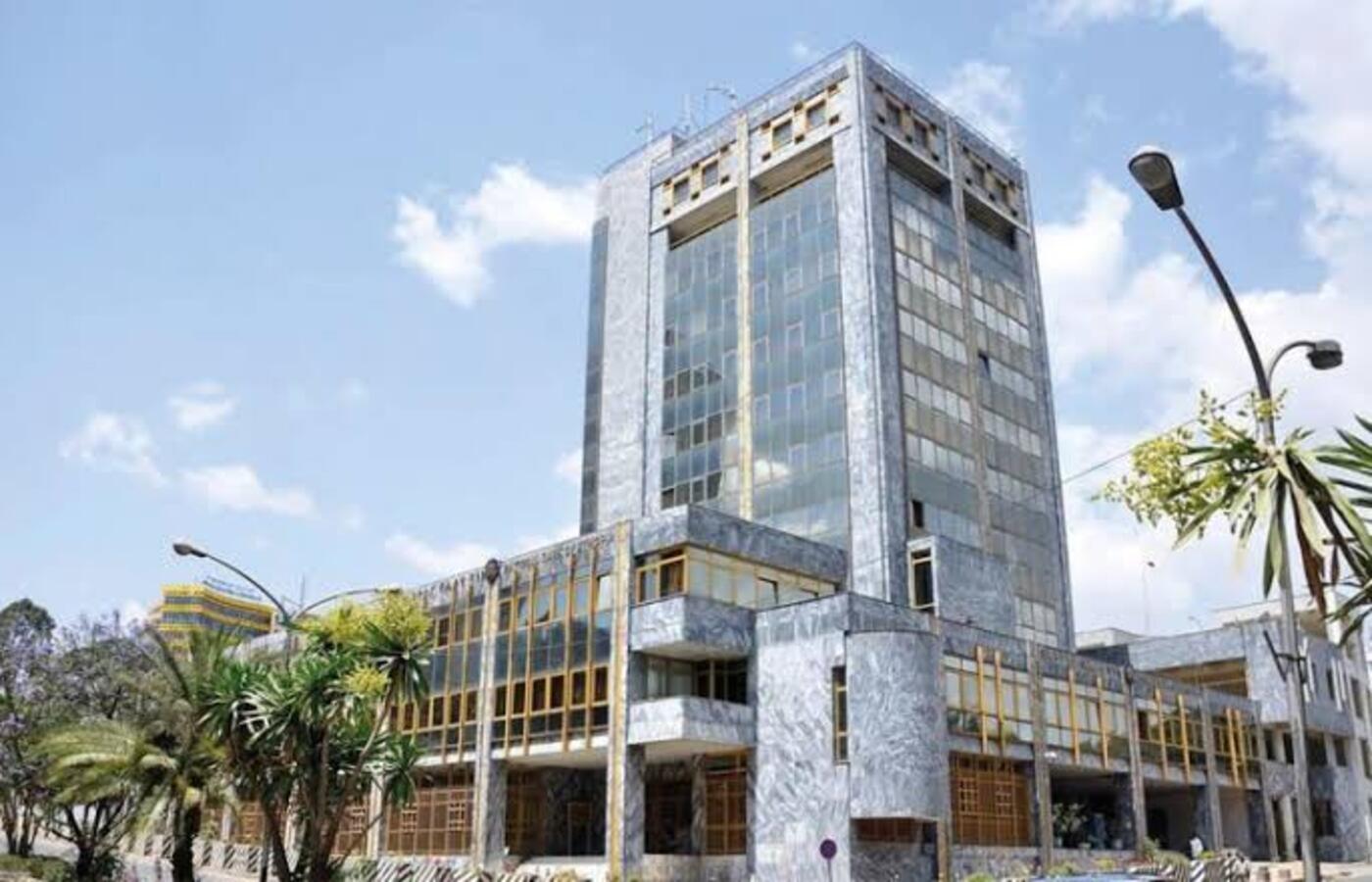
The central bank held its key interest rate at 15 percent on March 25, 2025, opting for continuity in its tight monetary stance as inflation cools but remains stubbornly above single-digit territory, the National Bank of Ethiopia (NBE) said after its Monetary Policy Committee (MPC) convened for its second meeting of the year.
The decision, endorsed by the NBE Board, reflects a delicate calibration: wrestling inflation—down to 15 percent in February from far higher levels last year—while preserving momentum in an economy buoyed by bumper harvests, export gains, and industrial revival, the NBE added.
Alongside the unchanged National Bank Rate (NBR), the MPC left an 18 percent ceiling on annual credit growth intact and preserved existing settings for reserve requirements and lending facilities.
Meeting under the mandate of the recently approved NBE Establishment Proclamation 1359/2025, the MPC sifted through a raft of data. Inflation’s retreat is palpable—food inflation has slumped to 14.6 percent from 31 percent a year ago.
Non-food inflation, at 15.6 percent, has ticked up slightly, nudged by exchange rate spillovers, but monthly price rises have softened, with February’s 0.5 percent increase marking a fourth straight month of calm.
Growth, meanwhile, is humming. The NBE’s Composite Index of Economic Activity points to resilience, powered by a strong ‘meher’ rainy season promising record crops, industrial output lifted by easing forex bottlenecks, and a services sector riding high on tourism and aviation. Exports—coffee and gold especially—are rising, aided by global prices near historic peaks.
Money supply, however, is racing ahead—broad money up 22.8 percent and base money soaring 42 percent by January—spurred by gold-driven forex inflows and a modest relaxation of credit curbs. Domestic credit growth, at 19.8 percent, holds steady. In the markets, real interest rates have turned positive, a first for Ethiopia: 364-day
Treasury bill yields hit 17.7 percent in February, up from 15.9 percent in December, while interbank rates settled at 16.7 percent, snug within the NBE’s 15 percent corridor. Interbank volumes swelled to 338.8 billion birr, a sign of deepening liquidity.
Banks are sound, with low bad loans and solid capital, though some face liquidity pinches from high loan-to-deposit ratios—a challenge eased by the NBE’s new lending facility.
Fiscal policy remains tight, with no deficit monetisation this year, aligning neatly with monetary goals. On the external front, a current account surplus has emerged, fuelled by exports, remittances, and capital flows tied to last July’s exchange rate shake-up, swelling forex reserves.
Globally, the IMF sees growth holding at 3.3 percent through 2026, with inflation dipping to 3.5 percent. But trade tensions loom, and while oil prices have slid nine percent since July, Ethiopia’s coffee and gold exports bask in high demand.
The MPC hailed inflation’s decline but cautioned it’s not yet tamed. “a disinflationary monetary policy stance remains appropriate and should remain in place until there is still further progress in reducing inflation,” it said, eyeing the gap to single-digit inflation and the risks of loose liquidity from forex gains.
The committee will reconvene in June.




