

A new regional initiative will seek to help communities in Ethiopia, Somalia and Djibouti prepare for climate and conflict-related crises before they occur, targeting more than 243,000 vulnerable people through improved early warning and anticipatory action systems.
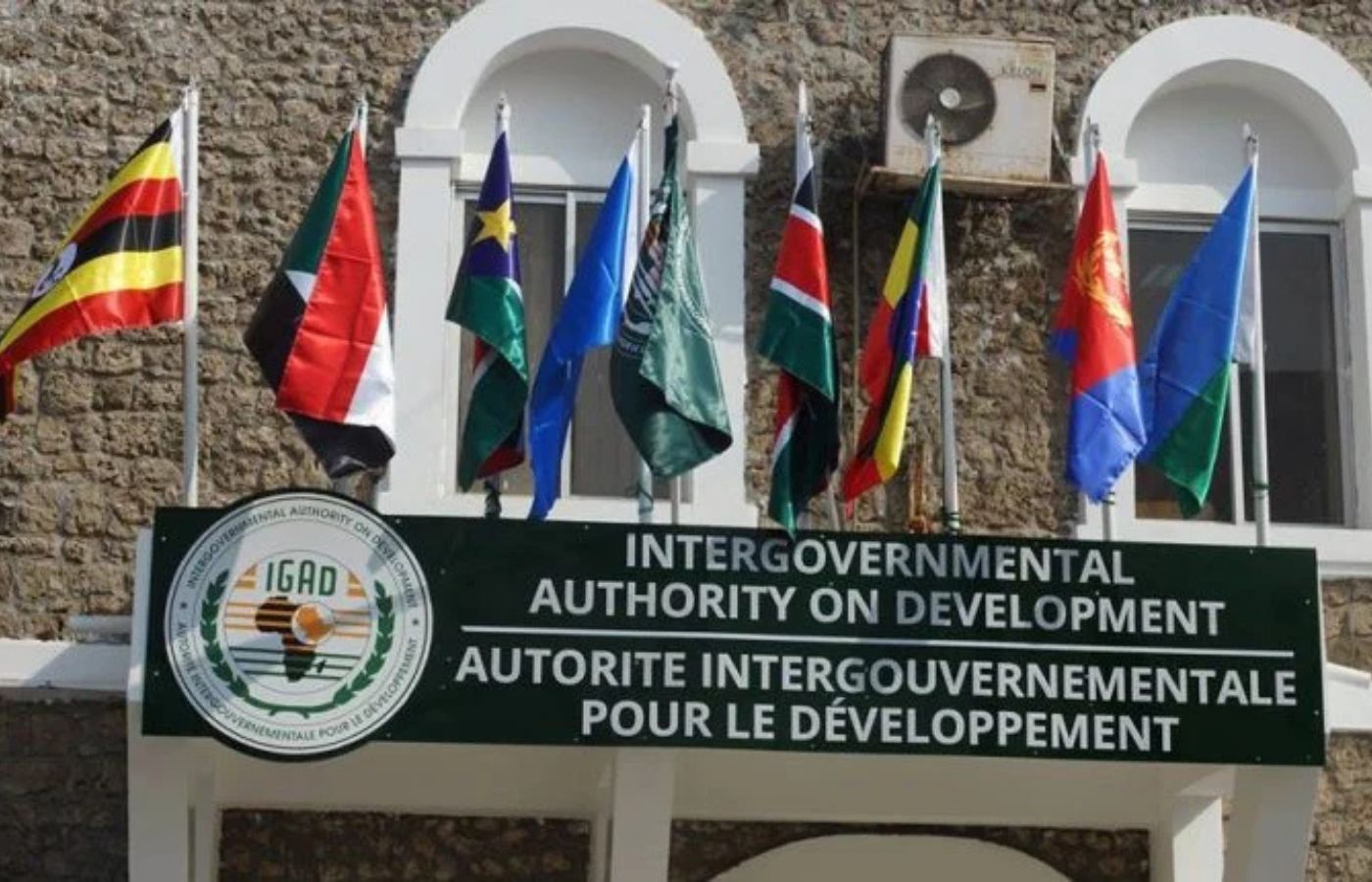
The two-year programme, known as “Institutionalizing Interoperable Multi-Hazard Anticipatory Action” (IMPAACT), was launched by Action Against Hunger (ACF) and the IGAD Climate Prediction and Applications Centre (ICPAC), with funding from the European Commission’s Directorate-General for European Civil Protection and Humanitarian Aid Operations (ECHO).
The project aims to address a persistent challenge in the Greater Horn of Africa, where droughts, floods, conflict and displacement frequently overlap, by improving the link between climate risk information and timely humanitarian action.
Under the initiative, 86,261 people in Ethiopia, 105,332 in Somalia and 52,208 in Djibouti are expected to benefit from preparedness and response measures during the project period, which runs until May 2028.
Action Against Hunger will lead implementation through a consortium approach, while ICPAC will serve as the regional institutional partner. The programme will focus on strengthening regional anticipatory action systems, improving preparedness in conflict-affected cross-border areas of Ethiopia and Somalia, enhancing urban preparedness in Djibouti, and establishing a rapid crisis response mechanism capable of delivering initial assistance within 48 hours after confirmed triggers.
“This project represents a fundamental shift in how we confront humanitarian crises in the region—moving from reactive response to proactive protection,” said Rotimy Djossaya, Chief Impact Officer at Action Against Hunger.
The initiative will also strengthen coordination among existing regional mechanisms rather than create separate systems. ICPAC will support the validation of cross-border risk triggers, policy alignment among the three countries and integration with platforms including the IGAD Regional Technical Working Group on Anticipatory Action and SCALAA.
Dr Abdi Fidar, Director of ICPAC, said increasing climate extremes and humanitarian pressures make investment in disaster preparedness essential.
“This ECHO-funded IMPAACT partnership comes at a critical moment to accelerate anticipatory action across the region, placing governments in the driver’s seat to lead, own, and sustain solutions that protect lives, livelihoods, and development gains,” he said.
The Greater Horn of Africa remains highly exposed to recurring climate shocks, with pastoralist communities, displaced populations and vulnerable urban residents among those most affected. The project incorporates protection, inclusion, conflict sensitivity and environmental sustainability across its activities.
The European Union funding is part of ECHO’s Humanitarian Implementation Plan for the Greater Horn of Africa and supports efforts to strengthen evidence-based systems that move humanitarian response from crisis management towards prevention and preparedness.




