

New law draws criticism from labour unions and civil society, as government pushes for fiscal reform
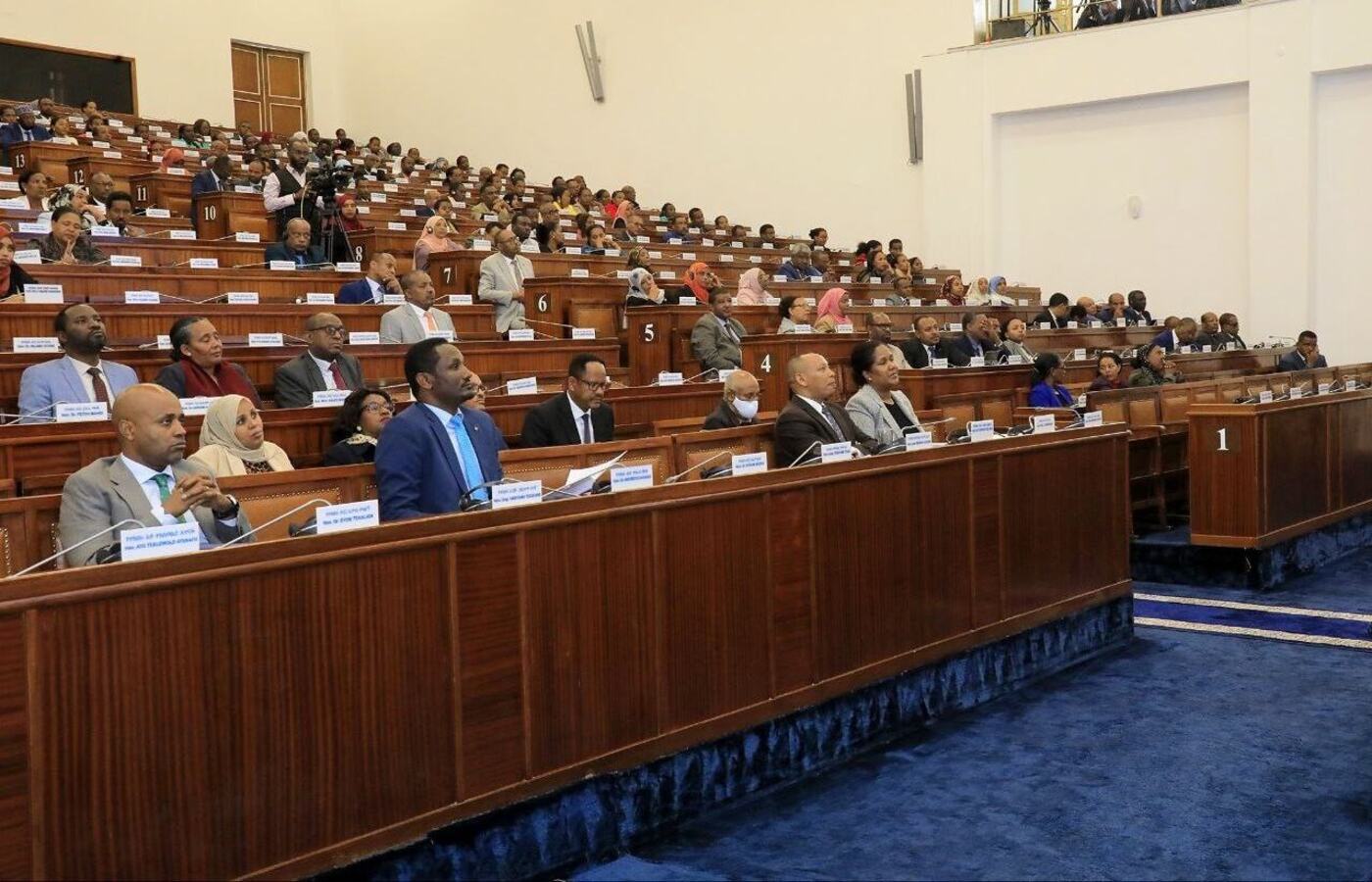
Ethiopia’s parliament has approved a wide-ranging amendment to its income tax law, despite objections from trade unions, civil society groups, and parts of the private sector who warn the changes could deepen inequality and strain already vulnerable low-income households.
The Income Tax Proclamation, passed on 17 July, introduces a new tax framework that includes an alternative minimum tax, expands taxation to the digital economy, and adjusts income tax thresholds for the first time in over a decade. The reform passed with a majority vote, though five MPs opposed and twelve abstained.
The government says the reform is a key component of its broader effort to modernise the tax system, increase revenue, and stabilise the economy. Critics, however, argue it does little to address the lived realities of most Ethiopian workers.
What’s in the New Law
The newly approved income tax law introduces a sweeping set of changes that reshape how individuals and businesses are taxed in Ethiopia. At the heart of the reform is the introduction of a minimum tax on gross income, a provision that will require all businesses—regardless of profitability—to pay a baseline amount. This measure is aimed at addressing widespread tax avoidance, where companies routinely report losses to evade paying taxes.
In a notable shift, the law also brings the digital economy into the tax net. For the first time, content creators such as YouTubers, TikTok influencers, and online consultants are required to register with the tax authority, declare their earnings, and pay tax accordingly. This move reflects the government’s recognition of the growing financial influence of online platforms and the need to align the tax regime with the realities of a modern, digital economy.
Another significant change is the revision of personal income tax thresholds. The threshold for the highest tax rate of 35% has been raised from 10,900 birr to 14,000 birr per month, providing some relief to middle-income earners. Meanwhile, the tax-free income threshold has been increased from 600 birr to 2,000 birr—a long-awaited adjustment, given that the previous threshold had not been updated since 2008, despite years of inflation and currency depreciation.
The law also introduces new taxpayer classifications, particularly for smaller businesses. These entities will now fall under a simplified, presumptive tax system, which bases tax obligations on estimated sales rather than formal accounting records. The aim is to ease compliance and bring more informal enterprises into the formal tax fold.
To support enforcement, the law mandates electronic reporting for various income streams, including rental income, self-employment, and professional services. This digital push is expected to increase transparency and reduce underreporting.
According to Ministry of Finance officials, these reforms are not only about revenue generation—they are also about fairness and administrative efficiency. They argue that the tax system must evolve with the economy, and that after more than a decade without major adjustments, these updates were both necessary and overdue.
Who Opposed the Bill
The bill faced stiff resistance from labour unions, civil society organisations, and foreign investors. At a parliamentary forum held ahead of the vote, the Ethiopian Trade Union Confederation warned that the law fails to provide meaningful relief to workers facing surging inflation and stagnant wages.
“Workers are taxed on what they need to survive, not on surplus income,” said Kassahun Follo, the union’s president. “This reform risks pushing people further into poverty.”
Union leaders called for a higher tax-free threshold and lower marginal rates for low-income earners. Several forum participants also urged differentiation in tax treatment for people with disabilities and lower-income professions.
Civil society representatives criticised the government’s insistence that fiscal limits prevent deeper tax relief. “We’re talking about people taxed while living below the poverty line,” one participant noted.
Safaricom Ethiopia, a major investor in the telecoms sector, also opposed the minimum tax provision, arguing it could deter foreign investment. The firm, still operating at a loss after injecting over 350 billion birr into Ethiopia’s infrastructure since 2021, called the flat tax “punitive” for capital-intensive ventures.
The Broader Context
The tax reform comes against the backdrop of Ethiopia’s largest-ever federal budget, approved last month at nearly 2 trillion birr (US$15.4 billion) for FY 2025/26. However, due to a floating exchange rate and currency depreciation, the new budget represents a 30% decline in dollar terms compared to the previous year.
The government is navigating a fragile economic recovery from conflict, high inflation, and fiscal strain. It has committed to boosting the tax-to-GDP ratio—one of the lowest globally—and to strengthening domestic revenue collection as part of its obligations under the G20 Common Framework, through which it is restructuring $3.5 billion in bilateral debt.
The Ministry of Finance maintains that the new tax regime is a critical step in rebuilding the country’s fiscal foundations.
The Minister of State for Finance, Eyob Tekalign, defended the amendment as a product of extensive consultation and comparative analysis. Speaking to parliament, he explained that the reform was informed by input from a wide range of stakeholders and drew on international experience to ensure the tax system aligns with global norms and domestic realities.
In response to concerns raised about the burden on low- and middle-income earners—particularly those in the public sector—Eyob also revealed that the government has commissioned a housing study aimed at evaluating the living conditions of civil servants. The study, he said, is part of a broader effort to ensure that fiscal policy is responsive to the socioeconomic challenges facing Ethiopian workers.




