

Parliament Approves Record Budget as PM Seeks to Wean Economy Off External Support
Ethiopia's parliament has approved a record 2.339 trillion birr federal budget for the 2026/27 fiscal year, with the government relying on an unprecedented increase in tax revenue to finance most of its spending as it seeks to reduce dependence on external funding and sustain economic reforms.
Lawmakers unanimously passed the budget under Proclamation No. 1437/2018 after deliberating on the government's spending plan, which projects tax revenue of 1.49 trillion birr to finance nearly two-thirds of total expenditure.
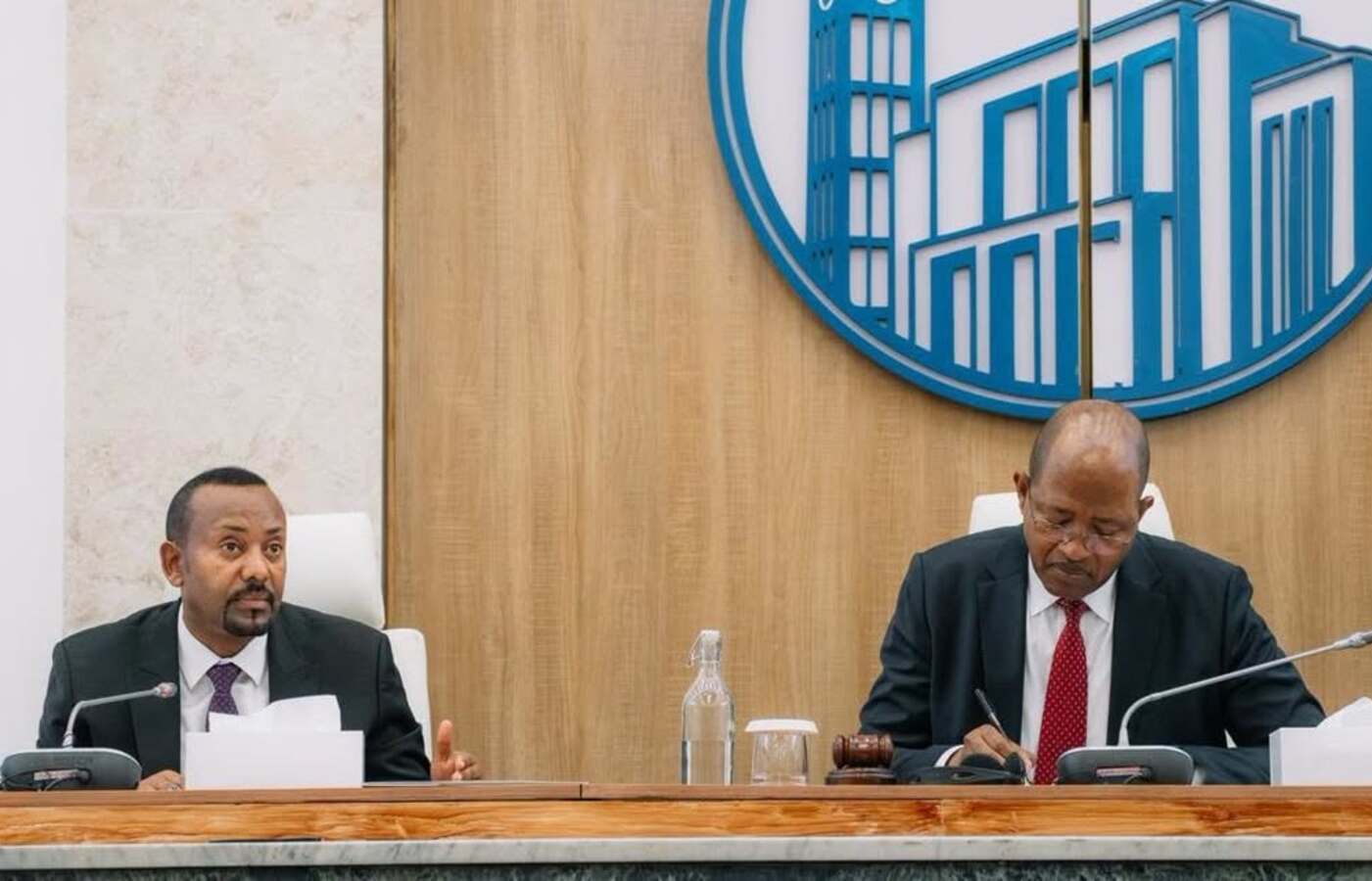
Prime Minister Abiy Ahmed (PhD), addressing parliament before the vote, said Ethiopia must strengthen domestic resource mobilisation rather than rely on others to finance its development.
"We should not live by benefiting from others," Abiy told lawmakers, urging stronger tax collection and higher productivity to generate sufficient revenue for the country's development agenda.
According to the Standing Committee on Plan, Budget and Finance, external loans and grants from development partners will finance 93.7 billion birr of the budget, while domestic borrowing will account for 320 billion birr. The government projects an overall fiscal deficit of 1.4 percent of gross domestic product, a level lawmakers said is intended to preserve macroeconomic stability while supporting the second phase of Ethiopia's Homegrown Economic Reform programme.
Standing Committee Chair Dessalegn Wodaje said the budget is more than 400 billion birr larger than the previous fiscal year's allocation, reflecting increased spending priorities alongside efforts to strengthen domestic revenue generation.
Around 30 percent of total expenditure has been allocated to education, roads, healthcare, agriculture, energy and urban development, making them the largest recipients of federal spending.
Federal transfers to regional states will total 187.3 billion birr, representing 15.1 per cent of the budget and marking a 17.8 per cent increase from the previous fiscal year.
Regular expenditure for economic sectors will increase by 18.1 billion birr, or 34.1 per cent, while recurrent spending on social sectors will rise by 106.4 billion birr, equivalent to 35.2 percent.
The budget is intended to underpin the second phase of the Homegrown Economic Reform programme, with the government seeking to sustain macroeconomic reforms through higher domestic revenue, restrained fiscal deficits and continued investment in infrastructure and social services.




