

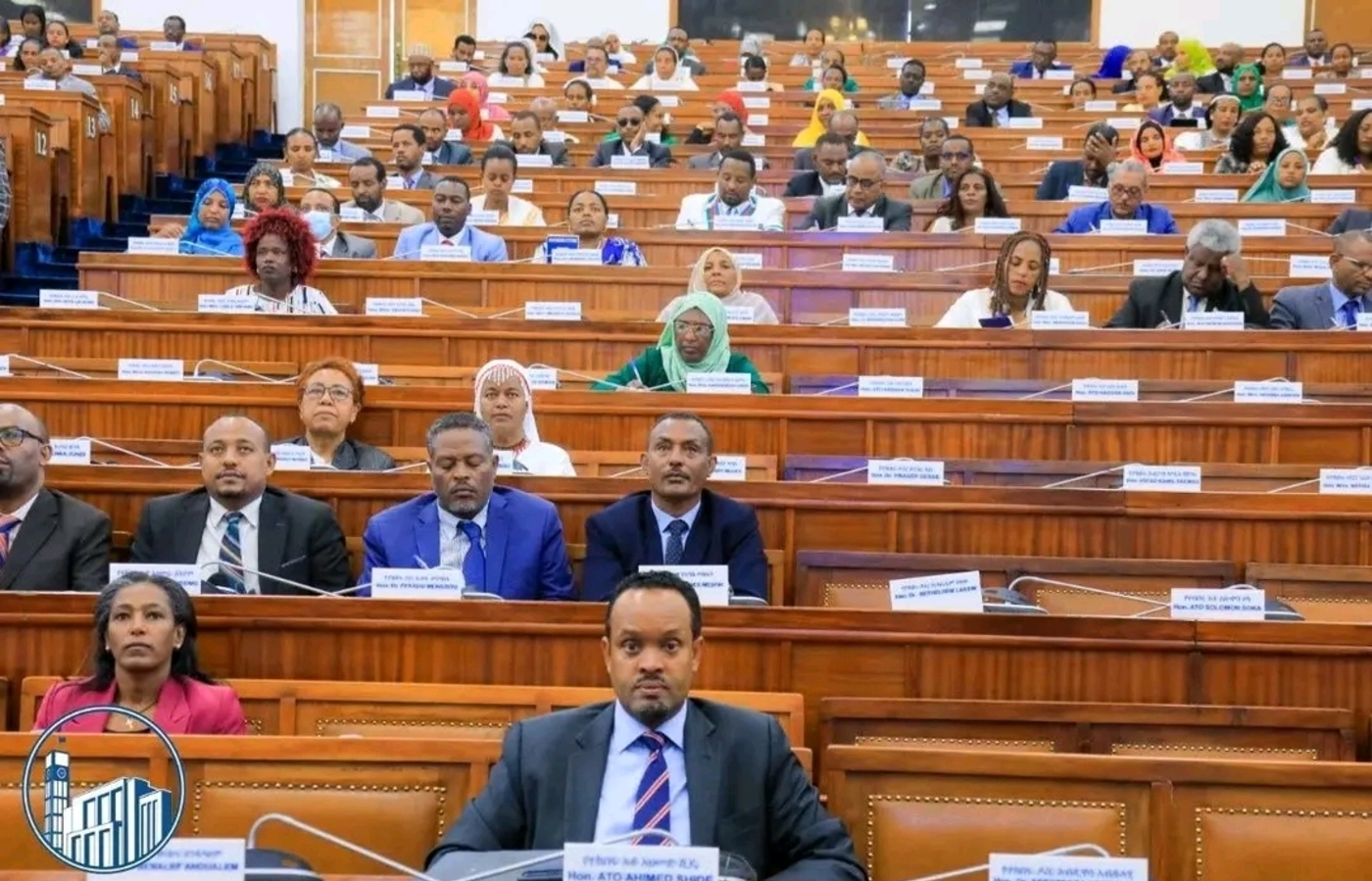
Lawmakers pressed the government for details on how a proposed 2.2 trillion birr federal budget would translate into relief for households struggling with inflation, as parliament began reviewing the spending plan for the 2026/27 fiscal year.
Finance Minister Ahmed Shide told the House of Peoples' Representatives that the draft prioritizes social spending and subsidies to protect lower-income Ethiopians from rising costs. He said the budget was designed to support purchasing power and ease living-cost pressures while advancing macroeconomic reforms launched in 2024.
But several legislators questioned whether past social spending pledges had produced measurable improvements in food prices or public services, according to parliamentary records of the debate. Lawmakers requested detailed breakdowns of allocations for education, health and energy sectors that have faced funding shortfalls despite previous government commitments.
Ahmed said the budget reflects Ethiopia's current economic growth trajectory and aims to correct longstanding imbalances. He also said the government would continue engaging international partners while preserving policy independence and would avoid agreements that do not offer tangible benefits to the country.
The minister told parliament the government plans to broaden the tax base in coming years to strengthen domestic revenue and expand fiscal capacity.
The proposed budget allocates priority funding to social services, energy and other key sectors, according to the Ministry of Finance.
Ethiopia has been grappling with persistent inflation that has eroded household purchasing power. Annual inflation stood at seventeen point three percent in May, according to the latest central bank data, down from a peak of more than thirty-four percent in 2022 but still well above the government's target range.
The budget proposal comes amid a sweeping macroeconomic reform program Ethiopia launched in late 2024. The reforms included a landmark float of the birr currency, which lost about thirty percent of its value against the dollar immediately after the devaluation. The move was a key condition for a three-point-four-billion-dollar loan program from the International Monetary Fund, which also required fiscal consolidation and monetary policy tightening.
The government has since expanded social protection programs to cushion vulnerable households from the combined impact of inflation and adjustment shocks. Critics, however, have said the subsidies and cash transfers have been insufficient and poorly targeted, with many beneficiaries still struggling to afford basic goods.
Ethiopia's economy has grown at an average annual rate of about six percent over the past decade, according to World Bank data, but the gains have been uneven and have not kept pace with rapid population growth. The country also faces significant external debt pressures and has been in default on its Eurobond since December 2023 after failing to make a thirty-three-million-dollar coupon payment.
Previous budget cycles have drawn criticism from watchdog groups and opposition lawmakers for low execution rates, particularly in capital spending and social sector allocations. According to the Ministry of Planning and Development, only about seventy-five percent of the 2024/25 capital budget had been disbursed by the third quarter, delaying infrastructure and school construction projects.
Parliament is expected to continue deliberations before voting on the budget ahead of the new fiscal year, which begins July 8. The draft represents a roughly eighteen percent increase over the previous year's 1.86 trillion birr budget, though inflation has eroded much of the real-terms gain.




