

Ethiopia’s Electricity Bills Bite
In Shiro Meda, a modest cluster of apartment blocks stands like many across Addis Ababa: three-storey buildings, concrete stairwells, and the occasional tangle of overhead cables. Inside one of these blocks, Temesgen Seifu, 57, flips through a worn ledger, tallying sums that once seemed trivial but now command his full attention. He lives on the ground floor and rents three units above to families.
Each month, electricity bills now eat 8,000 birr out of his income, roughly 30 to 40 percent more than a year ago. “I fear it will increase further,” he says, his gaze moving from the ledger to the ceiling fan whirring overhead. With total monthly rents amounting to 50,000 birr, the 8,000 birr electricity bill feels like a hand pressing firmly on his household’s finances.
A few streets away, Desta Waqo performs a similar calculation. He collects 22,000 birr from tenants, who pay between 3,000 and 4,500 birr for electricity alone. August’s tariff hike, when combined with property taxes and a new income levy, has forced him to reconsider rents. “I will surely adjust rent prices,” he concedes.
Even small businesses are feeling the squeeze. A traditional clothes-drying entrepreneur, operating three small machines, recounts how electricity costs have escalated beyond control. “I used to pay 3,000 birr per machine,” she says. “Now with three machines, I am paying 28,000 birr, which comes to about 9,300 per machine. I had to sell one of my machines because I could not pay…this is crazy.”
Her story shows that rising tariffs are not confined to households but ripple across small enterprises, threatening livelihoods and forcing difficult decisions about equipment and production.
At the lower end of the income spectrum, the impact is starker. A mother of two living near Ras Desta Hospital recalls paying 140 birr a year ago. Today, her electricity bill reaches almost 400 birr. “It is a big increase,” she sighs. “Even cutting back on appliances, it still feels impossible some months.”
These are not isolated inconveniences. For many Ethiopians, electricity is a necessity, not a luxury. Refrigerators, lights, and cooking appliances have become essential, not optional. The surge in tariffs has forced households and businesses alike to make choices they would not have considered a few years ago: which devices to run, when to cook, or whether to operate machines at all.
Even landlords, who collect multiple rents, feel the pinch. Rising costs are no longer absorbed silently; they ripple through the rental and commercial markets and, ultimately, household consumption patterns.
The Ethiopian Electric Utility (EEU), which serves more than 5.2 million customers, insists the increases are unavoidable. Getu Geremew, its chief executive, notes that past collections “had not been enough for maintenance and other overhead costs.” He adds that the utility is “yet trying to protect low-income households.”
One expert, speaking on condition of anonymity, put the trade-off into stark perspective. “It is a bitter pill to swallow,” he said. “If the public wants sustainable electricity access, the utility must be able to cover its overheads and also expand to accommodate growing electricity needs. And by any global standards, Ethiopians are still paying lower electricity tariffs.”
In 2024/25, EEU posted 63.12 billion birr in revenue, of which 43.9 billion came from electricity sales, up 15 percent from the previous year. Nearly all of the 15,000 GWh purchased from Ethiopian Electric Power reached consumers, reflecting a delivery efficiency of 97.7 percent. Collection efficiency stood at 96.7 percent.
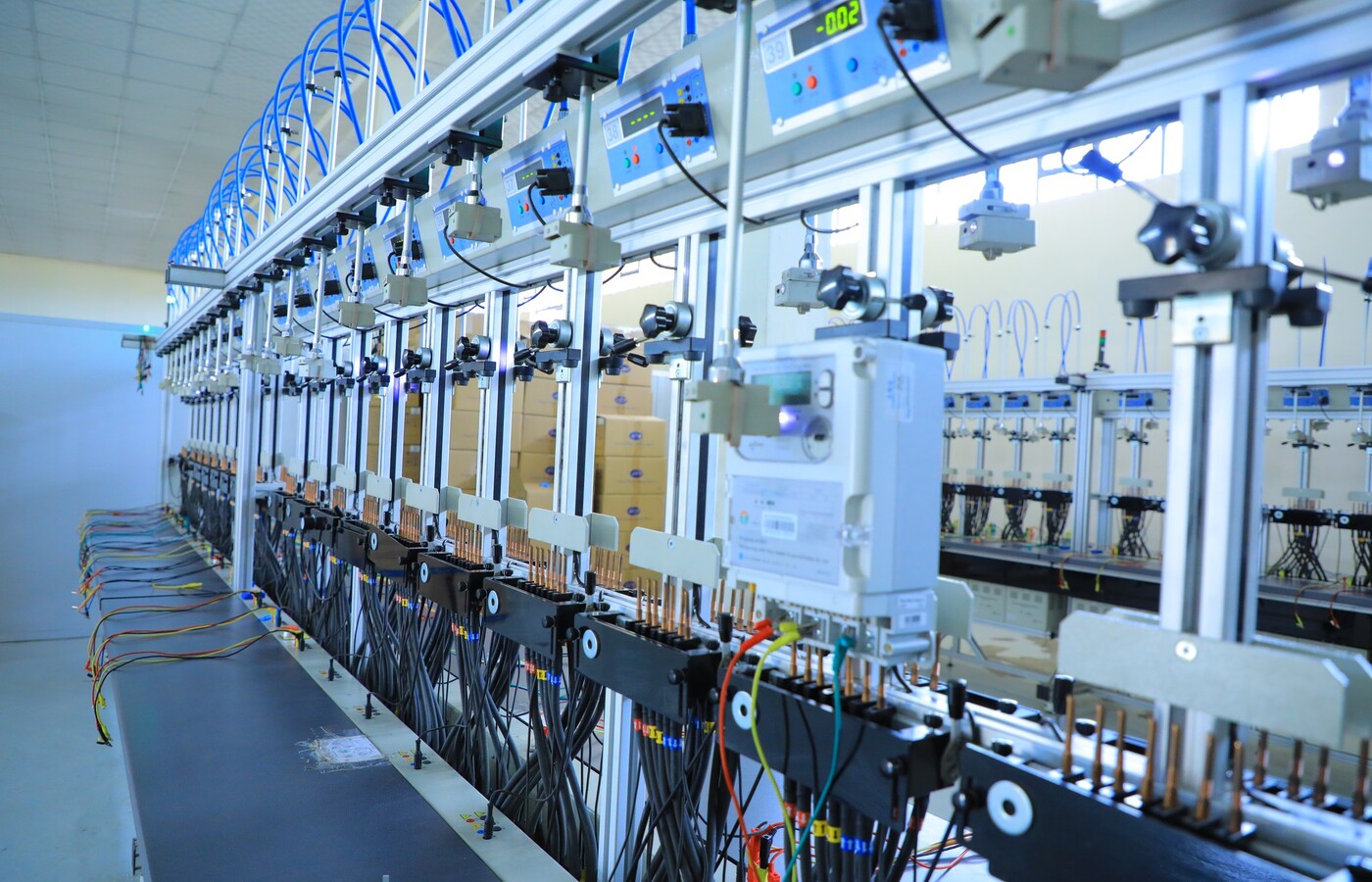
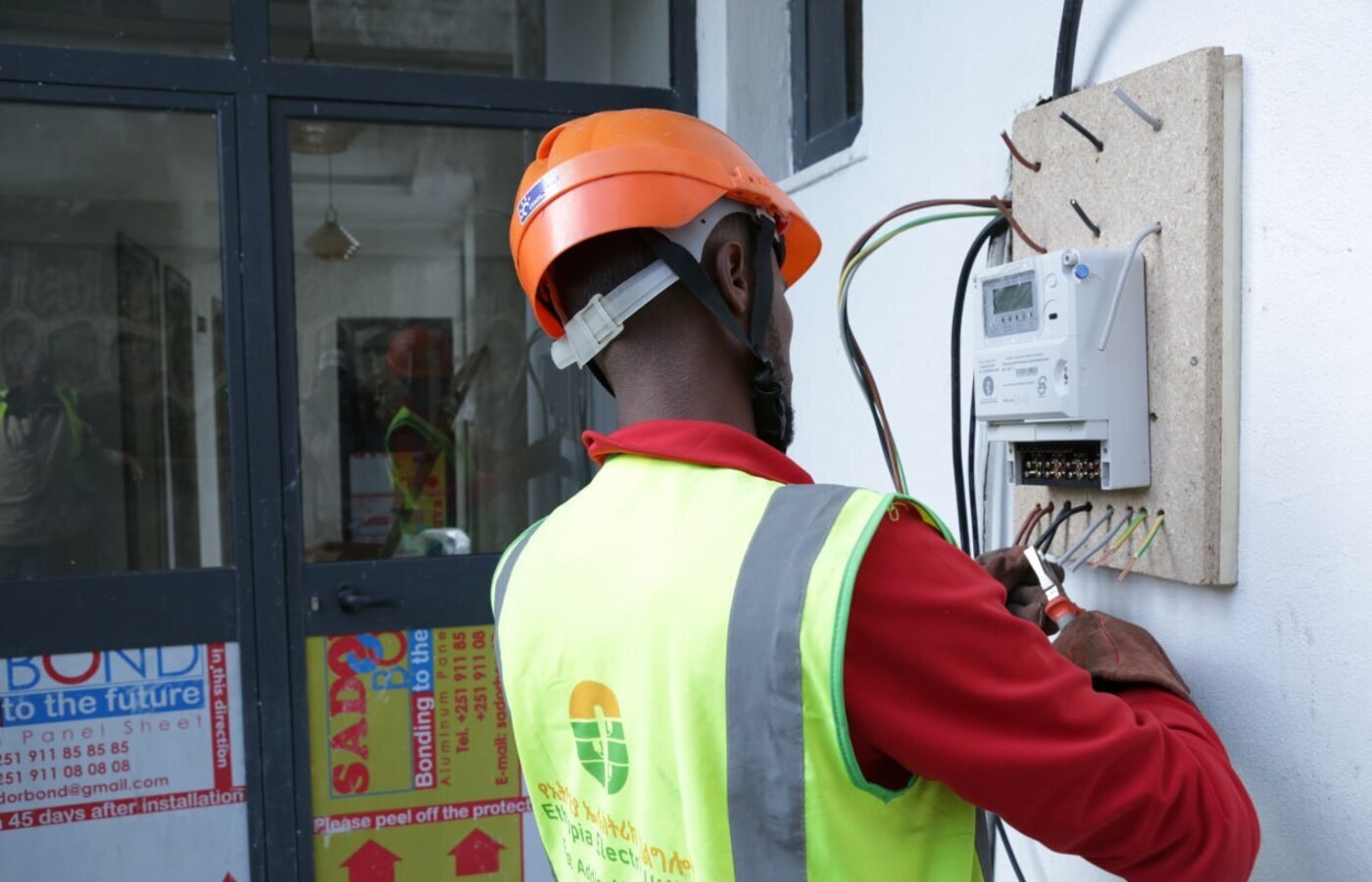
But the finances tell only half the story. EEU’s infrastructure is under pressure. Some 53,714 old meters were replaced with smart counters. Transmission lines covering 4,390 kilometres were reconstructed, while another 7,390 kilometres received maintenance. Energy theft prevention exceeded expectations, inspecting 3.1 million cases and recovering 1.43 billion birr. Each line repaired, each smart meter installed, carries a cost—costs that must ultimately be recovered from tariffs.
Historically, Ethiopia’s electricity tariffs have been among the lowest in the world. Subsidies masked the true cost, keeping entry-level residential rates at roughly 0.18 birr per kWh in 2019, equivalent to USD 0.003. Incremental increases from 2020 to 2022 were modest, designed to protect low-income users while gradually doubling nominal rates. Industrial tariffs rose faster, but inflation—averaging 20 to 30 percent annually—kept real costs low. By 2023, residential tariffs remained at about 0.25 birr per kWh, with subsidies covering 70–80 percent of costs.
The turning point came in 2024, under an IMF-backed reform program. Residential tariffs jumped from 0.27 to 0.60 birr per kWh, a 122 percent increase for low-consumption households. Commercial rates rose to over 2 birr per kWh, high-voltage industrial to 1.36 birr per kWh.
Further quarterly hikes pushed cumulative residential increases to roughly 150 percent by the end of the year. By mid-2025, entry-level tariffs averaged 0.754 birr per kWh, nearly triple pre-reform rates. The goal is full cost recovery by 2028, eliminating USD 1–2 billion in annual subsidies.
For households and small businesses alike, the numbers are stark. For Temesgen Seifu, electricity now claims a significant slice of his income. For smaller families, bills jumping from 140 to 400 birr represent 3–5 percent of income, a non-trivial burden in a country where 40 percent of households spend more than 10 percent of income on energy.
For the clothes-drying entrepreneur, the jump from 3,000 birr per machine to 9,300 birr per machine has forced equipment sales and reduced production. Landlords, too, pass on costs, triggering rent increases and household budget adjustments. In Ethiopia, electricity cannot easily be economised without affecting daily life.




