

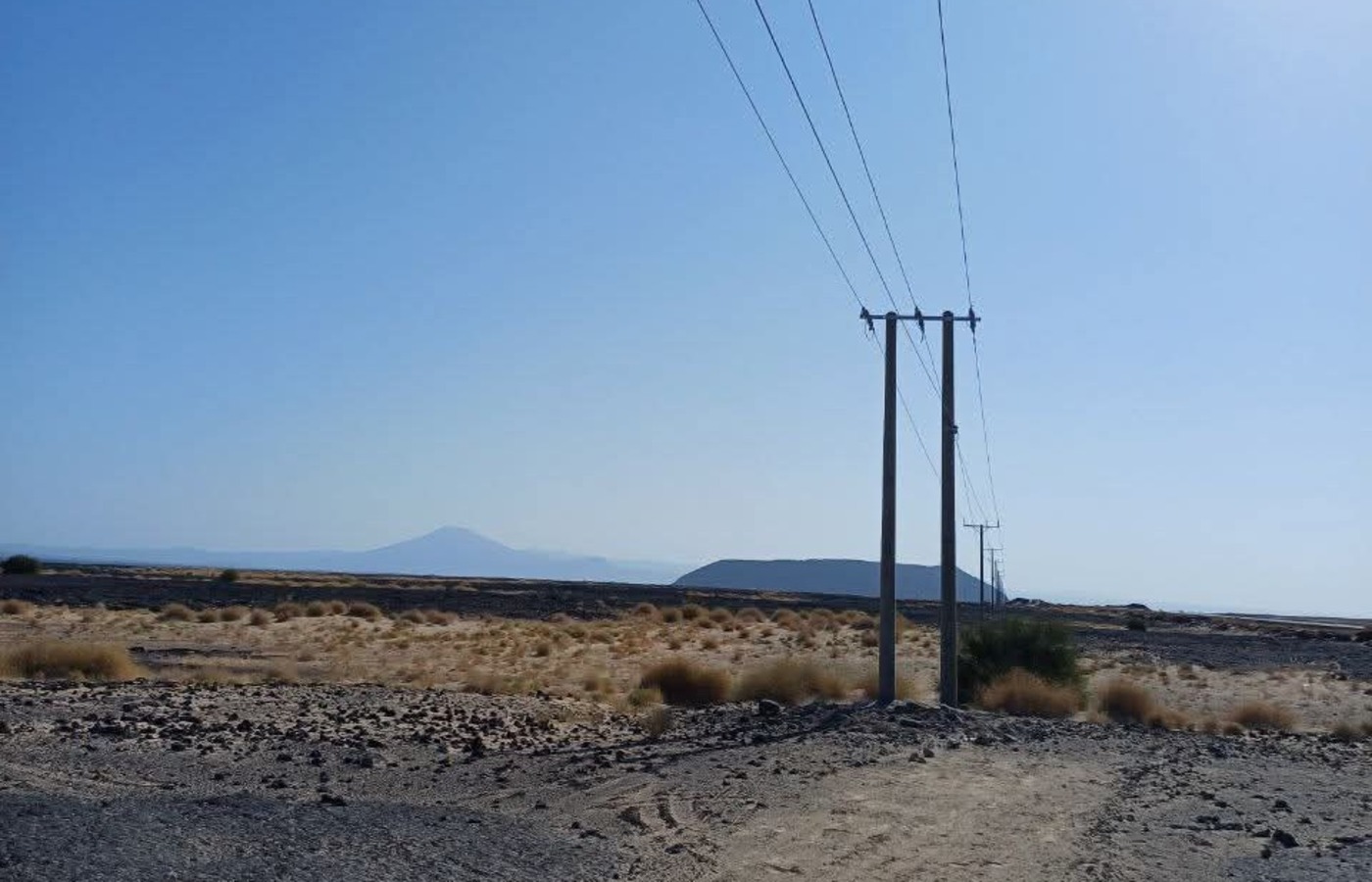
A power transmission and distribution project designed to provide continuous electricity to rural settlements and mineral production areas in Ethiopia’s Afar region is approaching completion, according to officials overseeing the works.
The project, with a total cost exceeding 2.4 billion birr, will connect towns and industrial sites around Afdera and Dallol, areas associated with salt production and potash resources. Funding includes 16 million US dollars from the African Development Bank, alongside 84,627,401 birr covered by the implementing institution.
The development comprises 375km of medium-voltage lines, 93km of low-voltage distribution lines, and the installation of 85 transformers. Progress data show that 278.34km of medium-voltage lines and 33.5km of low-voltage lines have been completed, together with the installation of 29 transformers. The completed sections have enabled electricity access for eight villages and one factory.
Upon full completion, the network is expected to supply electricity service to approximately 14,000 households. More than 200 jobs have been recorded for young people during the construction phase.
The Afar region contains large salt deposits and potash reserves, minerals that are commercially extracted in Afdera and Dallol. Industrial operations in remote parts of the region have historically relied on off-grid diesel-based generation due to limited grid infrastructure.
Ethiopia has expanded national generation and transmission capacity over the past decade, with hydropower accounting for the majority of installed capacity, supplemented by wind and geothermal projects. Rural electrification programmes have been implemented to extend grid connectivity to previously unserved areas.
Project execution currently stands at 84.46 percent, with remaining works scheduled for completion within the current budget year. Procurement has also been completed for materials intended to extend service to an additional 17 rural towns and villages under the same investment programme.




