

Industrial zones in Ethiopia are increasingly operating within close proximity to residential communities, exposing residents to growing health risks amid weak regulatory oversight. Rapid industrial growth in cities such as Addis Ababa and Mojo has outpaced the capacity of current environmental policies, allowing emissions and wastewater to affect air and water quality in surrounding areas.
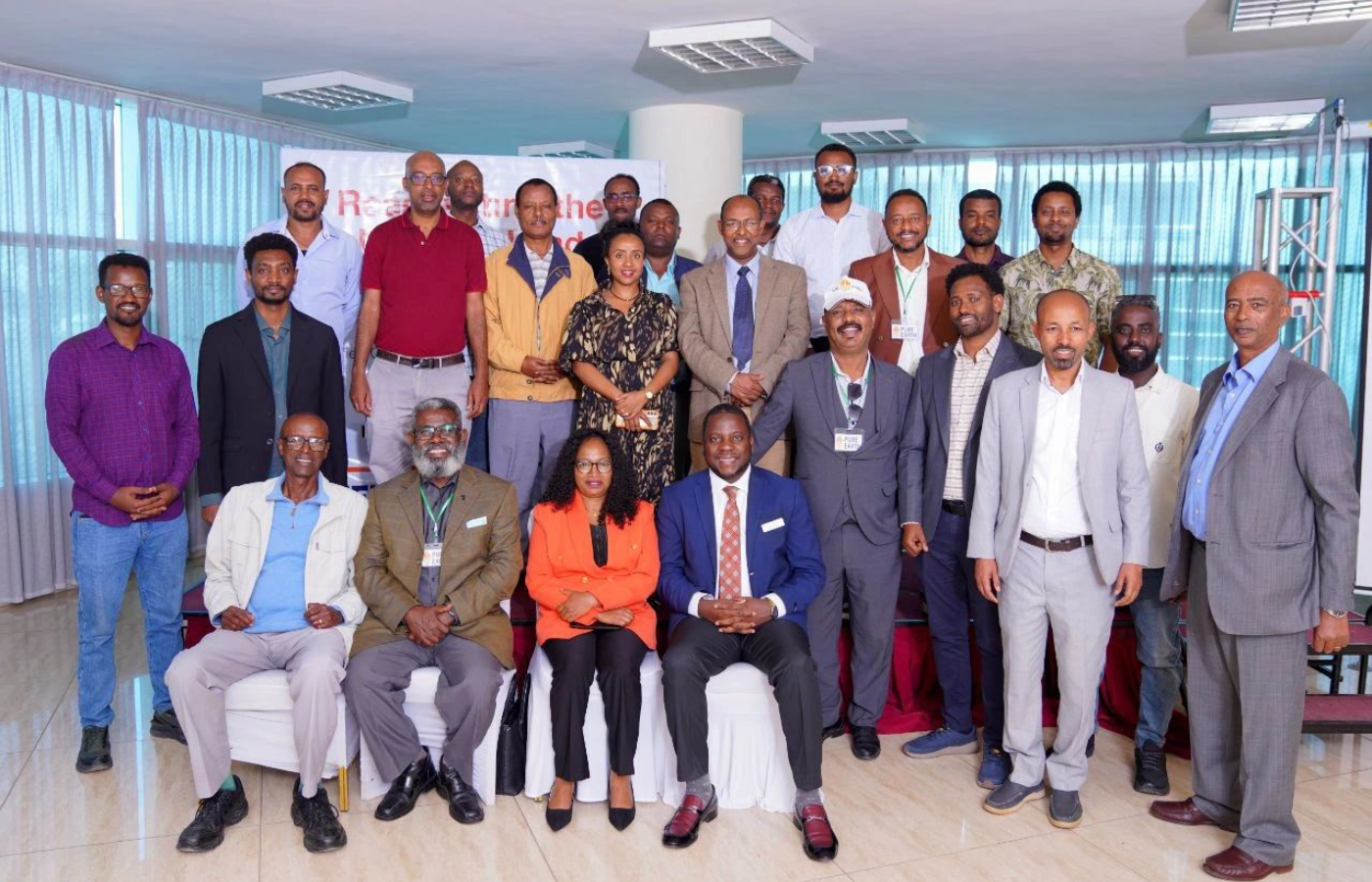
Experts highlighted these gaps during a stakeholder workshop organised by global nonprofit Pure Earth on January 26, 2026. Officials from the Ministry of Health and the Environmental Protection Authority discussed 12 proposed amendments aimed at closing regulatory loopholes and strengthening enforcement.
Firew Kefyalew, Pure Earth East Africa Director, identified fragmented monitoring, weak accreditation standards, and insufficient data management as central challenges. “Institutional capacity is limited, laboratory resources are insufficient, and we lack integrated, actionable data, all of which allows this crisis to expand,” Firew said.
Textiles and leather factories, which rely heavily on chemicals, are under particular scrutiny, while authorities also plan tighter controls on imported plastics and packaging materials. Studies show that emissions and wastewater from these industries are contaminating water sources and reducing air quality for nearby residents.
To address the problem, Pure Earth has proposed a two-pronged approach: establishing a dedicated implementation task force and forming a 55-member committee of experts from ministries, regulatory bodies, and academia. The committee will audit existing policies and design a modernized regulatory framework.
Academic institutions, including Jimma University, are expected to provide technical support. Officials indicated that the rollout of revised guidelines and enforcement mechanisms could begin soon.




