

Refugees and asylum-seekers living in Ethiopia and across Eastern and Southern Africa remain displaced for a median period of nearly 16 years, according to new analysis by the United Nations refugee agency, highlighting the increasingly long-term nature of displacement in the region.
The findings, released by United Nations High Commissioner for Refugees, are based on registration data collected between 2001 and 2025 and cover more than 6.4 million refugees and asylum-seekers recorded across Eastern and Southern Africa by the end of 2025.
Countries including Ethiopia, Uganda and Kenya continue to host large refugee populations, many of whom fled conflicts and instability in Sudan, South Sudan and Somalia.
The data show that displacement in the region is increasingly prolonged rather than temporary. About three in four refugees and asylum-seekers remain displaced after five years, while nearly two in five continue living in asylum two decades later.
Children were among the groups most affected by prolonged displacement. Refugees registered before the age of five remain in exile for a median period exceeding 18 years, meaning many spend their childhood and early adult years outside their home countries.
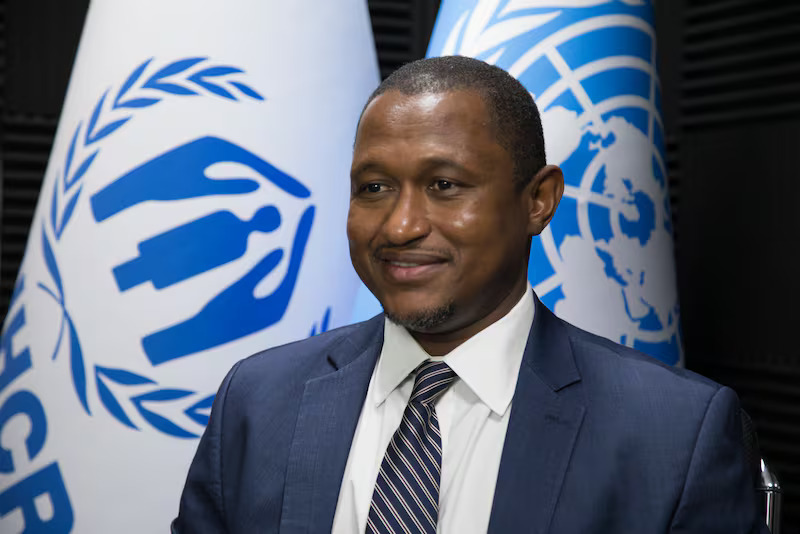
Mamadou Dian Balde, UNHCR Regional Director for Eastern and Southern Africa, said the findings point to the need for faster progress toward durable solutions.
“Asylum saves lives, but after nearly 16 years of living in limbo, refugees need more than help; they need hope, opportunity and a way forward,” he said.
The analysis also found that larger households remain displaced for longer periods. Single refugees remain in asylum for a median of just under six years, while families with five or more members stay displaced for nearly 19 years.
Women and girls also face longer periods in exile than men and boys, remaining displaced for a median of nearly 17 years compared with just over 14 years for males, according to the report.
UNHCR said the figures suggest that prolonged displacement is contributing to long-term dependence on humanitarian support, particularly where access to education, employment and legal documentation remains limited.
Balde said refugee children and young adults needed greater access to national education systems, skills training and economic opportunities to avoid losing critical years of development and participation.
The agency added that countries across Eastern and Southern Africa continue to host millions of displaced people despite resource constraints, and called for stronger support from donors, development institutions and the private sector to assist both refugees and host communities.




