

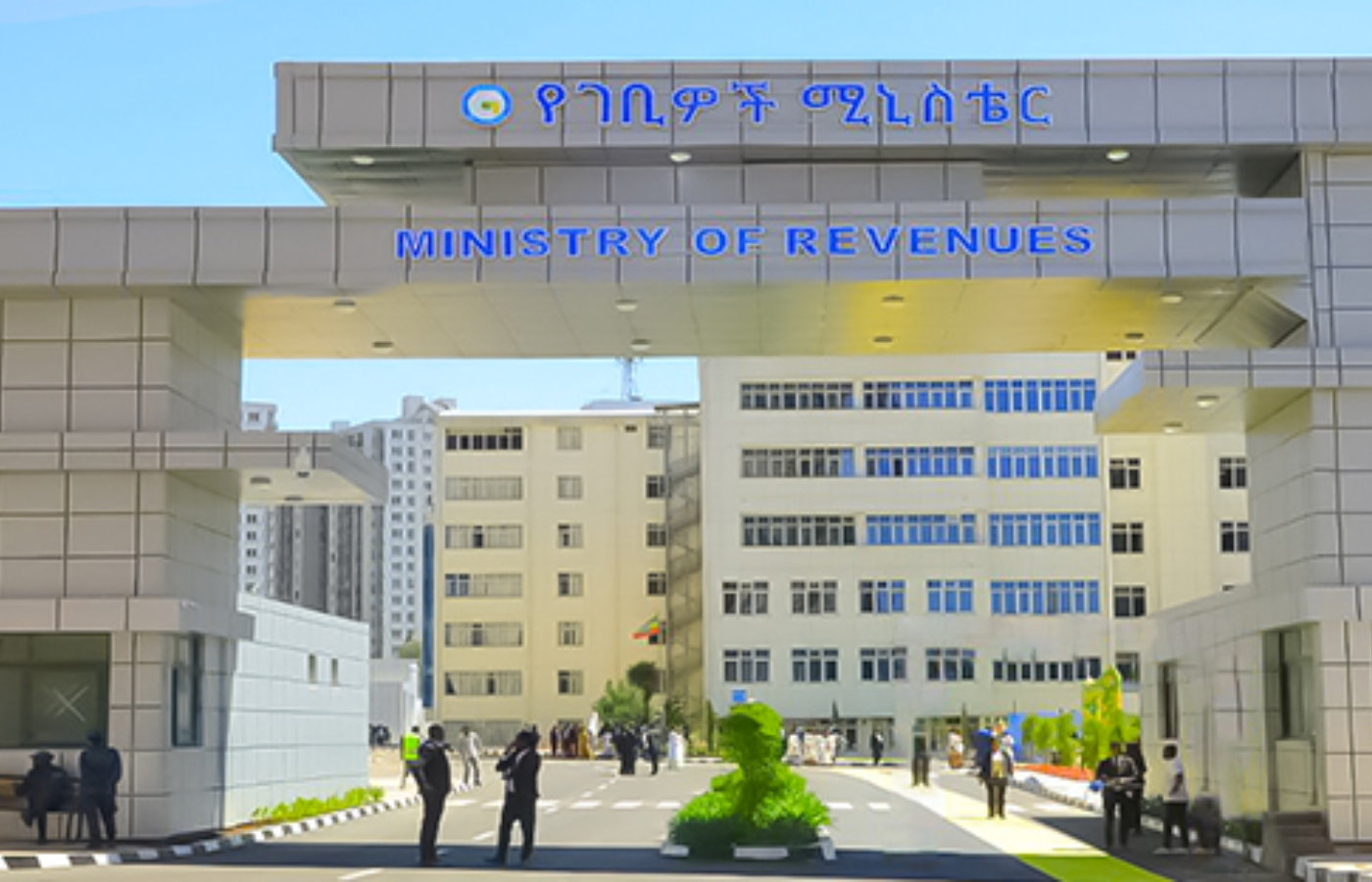
The Ministry of Revenues has put in place a formal enforcement framework allowing tax authorities to seal factories, suspend excise licences and permanently revoke operating permits of manufacturers that repeatedly violate excise tax laws, according to a newly issued operational manual.
The directive, signed by Yosef Shiferaw, director of the Tax Notification Directorate, marks a departure from penalties that relied largely on fines and assessments to measures that can physically halt production. Revenue officers are now explicitly authorised to close manufacturing sites that repeatedly breach excise tax rules.
The manual introduces a graduated enforcement process intended to give businesses time to correct violations before operations are suspended. Manufacturers will first receive three formal written warnings. If compliance is not achieved within seven days of the third notice, tax authorities may seal the factory for an initial period of 14 days.
The directive is grounded in the legal authority of Excise Tax Proclamation No. 1186/2020 and Tax Administration Proclamation No. 983/2024.
According to the Ministry, the action targets recurring weaknesses in the monitoring of excise-taxable goods, particularly gaps between production, documentation and reporting. Factories may face closure for operating without a valid manufacturing licence, failing to issue delivery notes or sales invoices for goods leaving the premises, or neglecting to maintain records of raw materials, work in progress and finished products. Repeated failure to submit tax notifications or settle excise tax obligations for three consecutive accounting periods also qualifies as grounds for enforcement.
The manual further requires manufacturers to install approved measuring and counting devices to allow tax officials to independently verify production volumes. Storage arrangements must also enable unhindered inspections, signalling tighter oversight of factory floors and warehouses.
To mitigate the economic impact of closures, the directive provides an appeals mechanism. Manufacturers whose licences are suspended may file a complaint with the Tax Complaint Review Department within 14 days. The Ministry is required to issue a decision within a further 14 days, during which time businesses may present evidence of compliance.
The Ministry said the measures are intended to strengthen excise tax administration and reduce revenue losses from under-reporting and procedural non-compliance. For manufacturers, the directive raises the stakes of tax enforcement, linking operational continuity directly to compliance with documentation, reporting and payment obligations.




