

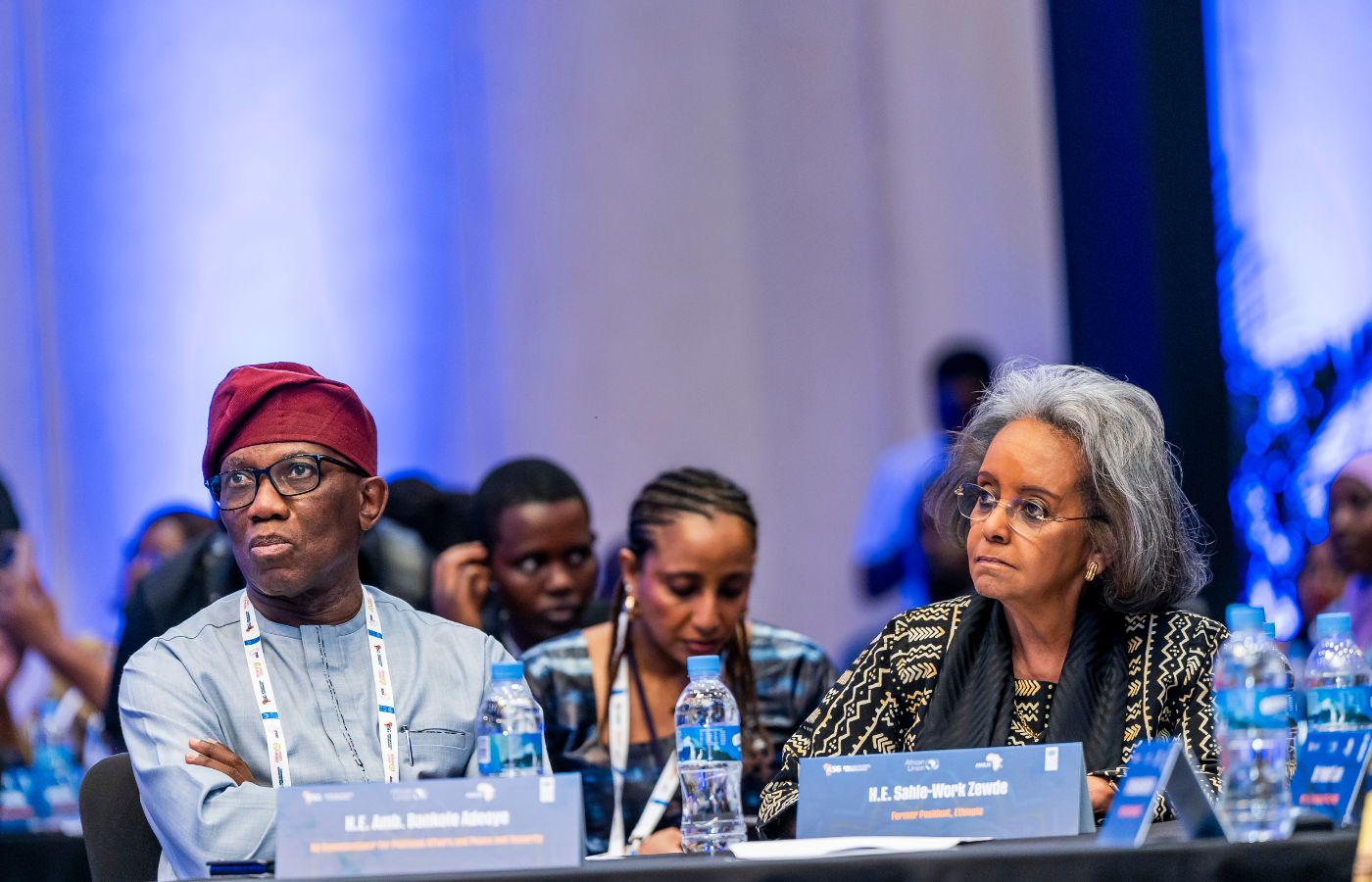
Former Ethiopian President Sahle-Work Zewde has joined the inaugural cohort of a new African academy for women in political leadership, which selected 40 participants from more than 1,300 applications across 28 African countries and the Caribbean.
The African Academy for Women in Political Leadership was launched in Kigali on August 3 and concluded its five-day inaugural programme on August 7. The initiative was established by the United Nations Development Programme, in partnership with the African School of Governance, the African Union Commission and the African Women Leaders Network.
The cohort brings together cabinet ministers, parliamentarians, mayors, governors, senators, political party leaders and emerging women politicians. More than 60 percent of participants come from countries due to hold presidential or parliamentary elections within the next two years.
Sahle-Work Zewde was among former African leaders who engaged with the cohort during the programme. She took part in an extended conversation alongside Catherine Samba-Panza, former president of the Central African Republic; Nkosazana Dlamini Zuma, former chairperson of the African Union Commission; and Victoire Tomégah-Dogbé, former prime minister of Togo.
The academy is designed to strengthen women's ability to participate in political leadership and exercise influence once in office. Its curriculum covers political financing, coalition-building, political communication, ethical leadership and resilience.
The programme places particular emphasis on the financial barriers facing women seeking political office. Jide Okeke, director of UNDP's Regional Programme for Africa, said it can cost an average of US$40,000 to contest a parliamentary seat in Africa.
"We must not only count the women who enter politics but, more importantly, count the women who hold real influence once they are there," Okeke said. He said the academy would teach campaign financing alongside legislative skills, coalition-building, communications and ethical leadership.
Francis Gatare, president of the African School of Governance, said the programme would provide participants with opportunities to exchange experience and establish networks of support that could influence their political careers.
The launch also included the signing of a memorandum of understanding between UNDP and the African School of Governance Foundation. The five-year framework is intended to establish a continent-wide ecosystem for women's political leadership.
The partnership will support the academy, expand access to leadership programmes for women across Africa, create learning opportunities for Africa Young Women Leaders fellows and develop alumni networks linked to the African Union's Agenda 2063 and the Sustainable Development Goals.
The African Union has also backed the initiative. Bankole Adeoye, AU commissioner for political affairs, peace and security, said the focus should move from advocating women's participation to deliberately developing a pipeline of capable and ethical women leaders.
The five-day residential programme covered the history of African women's political authority, political financing, political communication, coalition-building, parties and institutions, and leadership resilience. Participants engaged in practitioner-led workshops, peer exchanges and leadership clinics.
The Kigali programme is the first stage of a four-week course. The cohort will continue with three weeks of online learning, structured mentorship and peer support, followed by an alumni programme intended to maintain the network through election campaigns, legislative terms and periods in public office.




