

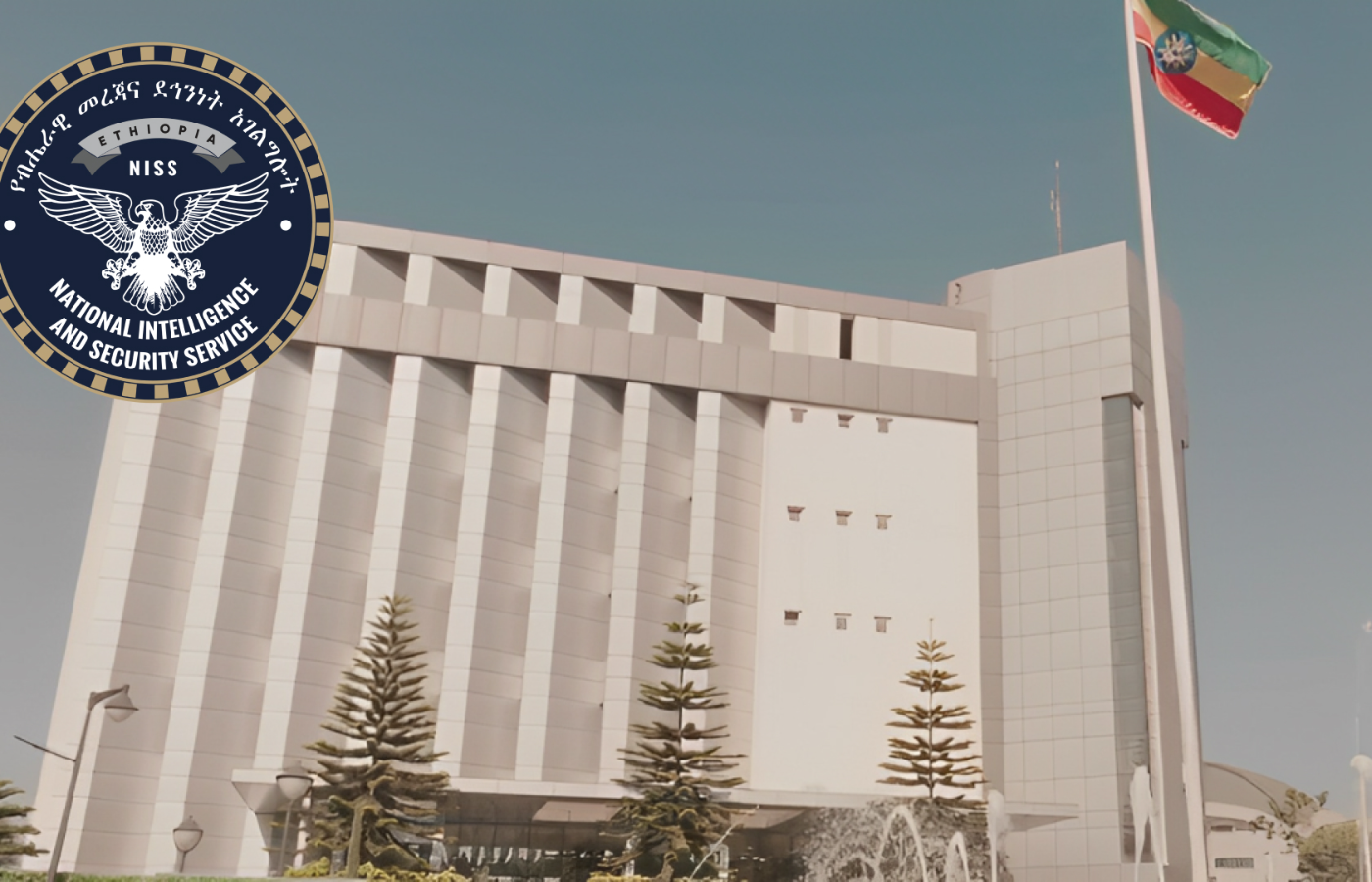
Authorities have detained 112 individuals suspected of involvement in unlicensed foreign-exchange operations and frozen 519 bank accounts connected to the investigation.
The operation was led by the National Intelligence and Security Service (NISS) in coordination with the Financial Intelligence Service, the Federal Police, and regional security units. It targeted unlicensed hawala networks and unauthorised currency traders.
Investigators reported that the networks used unregulated money-transfer applications, cryptocurrency platforms, and informal exchange channels to move foreign currency in violation of central bank regulations. Those detained include both domestic nationals and foreign citizens.
The National Bank of Ethiopia revoked the licences of several international money-transfer operators found to have repeatedly contravened foreign-exchange rules. Business owners accused of transferring funds abroad through unauthorised digital platforms were also placed in custody.
Officials noted that previous operations this year froze 138 and 123 accounts, respectively. Experts said those measures, together with warnings from the former NBE governor, helped cool the foreign-exchange market and kept the rate near an average of 136 birr per US dollar.
Analysts said temporary volatility in the market was partly influenced by the recent transition in central bank leadership and coincided with the Ethiopian new year holiday, when banks offered a 10 birr incentive.
They suggested that targeted enforcement measures, such as the current operation, could support market stability, while emphasising the need for the NBE to accelerate modernisation of the sector.
NISS stated that further actions will continue against individuals and networks involved in currency-related offences and called on the public to report illegal money-transfer activities.




