


How Ethiopia Fell in Love with a Brand That Doesn’t Even Exist Here
By Rozina Molla
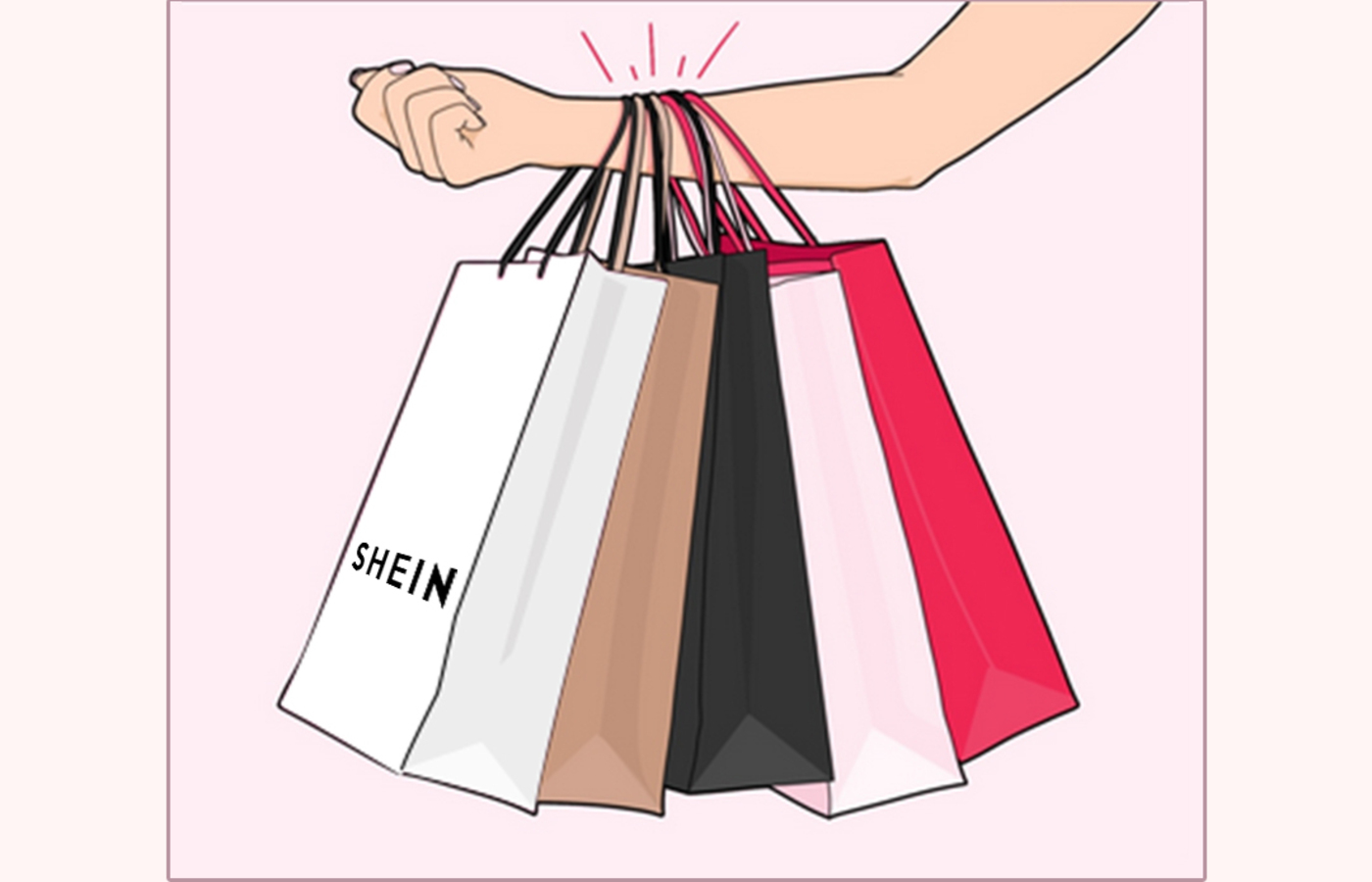
In the bustling streets of Addis Ababa, where kiosks display colorful textiles and shopkeepers haggle over prices, a new player has captured the imagination of Ethiopia’s fashion-forward youth. Its name is Shein, the Chinese fast-fashion giant that has become a global phenomenon. Yet, in Ethiopia, Shein operates like a ghost—its app teases shoppers with an endless array of trendy, affordable outfits, but offers no way to purchase them directly.
Still, Shein is everywhere. It lives on phone screens, in WhatsApp groups, and in the minds of Ethiopians who are navigating creative, roundabout ways to turn their digital window shopping into tangible purchases. Open the app, and you’re greeted with sleek designs, an infinite scroll of outfits, and prices that seem too good to be true—until you realize they are, because you can’t actually buy anything. Shein doesn’t support local payment systems, nor does it ship to Ethiopia.
For Ethiopia’s growing middle class, especially young people with a penchant for fashion, this hasn’t been a dealbreaker. Instead, Shein has become a digital catalog for an entirely new way of shopping. A shadow market has emerged, fueled by the creativity and determination of shoppers. For many, the process begins with a screenshot. The chosen items are forwarded to hostesses, retailers, and sometimes friends or relatives abroad, who act as intermediaries. Traders make regular trips to Dubai and Turkey, buying Shein products in bulk based on customer requests. Despite the hassle, demand is high—driven by Shein’s reputation for trendy, affordable fashion.
Samuel Tsehaye, a boutique owner, has been facilitating Shein orders for customers over the past six months. He acknowledges the high profit margins, as Shein products are relatively inexpensive abroad but sell at a premium in Ethiopia. A business named "Shein Ethiopia" has even gained popularity on social media, boasting over 50,000 followers. Despite its name, it has no official ties to Shein but uses the brand name without authorization. Still, its strong customer base highlights the brand’s deep integration into Ethiopian shopping culture.
For others, the process involves forex traders. Ethiopia’s strict currency controls and lack of access to international payment systems mean buyers must pay a premium in local currency to fund their purchases. Melat Gebru, 23, started using Shein a year ago. Initially drawn in by the stylish designs, she became a regular customer once she discovered traders who import Shein products into Ethiopia.
“I remember how impressed I was with how the dress looked on the models featured on Shein,” Melat told BirrMetrics.
Since Shein does not operate in Ethiopia, she had to rely on third-party traders. She took a screenshot of the product she wanted and sent it to a trader. The dress cost her 2,000 birr, and she received it within ten days.
But while Shein has gained traction, not all experiences have been positive. Quality issues remain a concern. Feven Mulu, 27, shared her frustration: “The velvet pants I bought tore just a week after purchase. I stopped using Shein products afterward.” A significant downside for Ethiopian consumers is the lack of return options. If a product is defective or different from expectations, buyers have no recourse.
The rise of Shein’s popularity has also led to fraudulent practices. Some traders in Merkato falsely claim to import Shein products while selling locally available clothing at inflated prices. To make the deception more convincing, they intentionally delay delivery for about ten days, creating the illusion of international shipping. “The product is already available in stores, but they claim it was brought from Shein,” a trader in Merkato revealed. BirrMetrics observed similar instances, with warehouses in Merkato engaged in this practice. “It’s a new market strategy,” a source noted.
Despite its popularity, Shein’s unconventional presence in Ethiopia raises questions about sustainability and accessibility. The reliance on informal networks and forex trading creates barriers for many would-be shoppers, particularly those without connections abroad. The system is also prone to delays and complications. Packages sent through travelers can take weeks or months to arrive, and there’s always the risk of items getting lost or damaged. For traders, the challenges are even greater. Importing Shein products through unofficial channels means navigating a maze of customs regulations and high taxes.
Shein’s popularity in Ethiopia raises an intriguing question: why hasn’t the company tapped into this market? With its young population and growing appetite for fashion, Ethiopia seems like fertile ground for expansion. Experts point to logistical challenges, including Ethiopia’s underdeveloped e-commerce infrastructure and strict currency controls. “It’s not an easy market to enter,” says an economist in Addis Ababa. “But the demand is there, and companies like Shein are missing out by not finding a way to operate here.” Some argue that Shein could partner with local businesses to establish a presence in Ethiopia, using cash-on-delivery models or mobile payment systems to overcome the lack of international payment options.
“It’s a huge opportunity,” says a trader. “If Shein officially came to Ethiopia, they’d dominate the market overnight.”
Shein’s rise in Ethiopia is part of a broader trend: the globalization of fashion in a country where access to international brands has traditionally been limited. As digital connectivity grows and social media continues to shape consumer behavior, Ethiopian shoppers are increasingly looking beyond their borders. But the Shein phenomenon also highlights the gaps in Ethiopia’s retail ecosystem. From payment systems to logistics, the country has a long way to go before it can fully embrace e-commerce.
For now, Ethiopians are finding their own ways to make Shein work for them. It’s a proof to their ingenuity —and to the power of a brand that has captured imaginations around the world, even in places it hasn’t officially reached.
“I don’t know if Shein will ever come to Ethiopia,” says a buyer, scrolling through the app on her phone. “But until then, I’ll keep sending screenshots.”




