

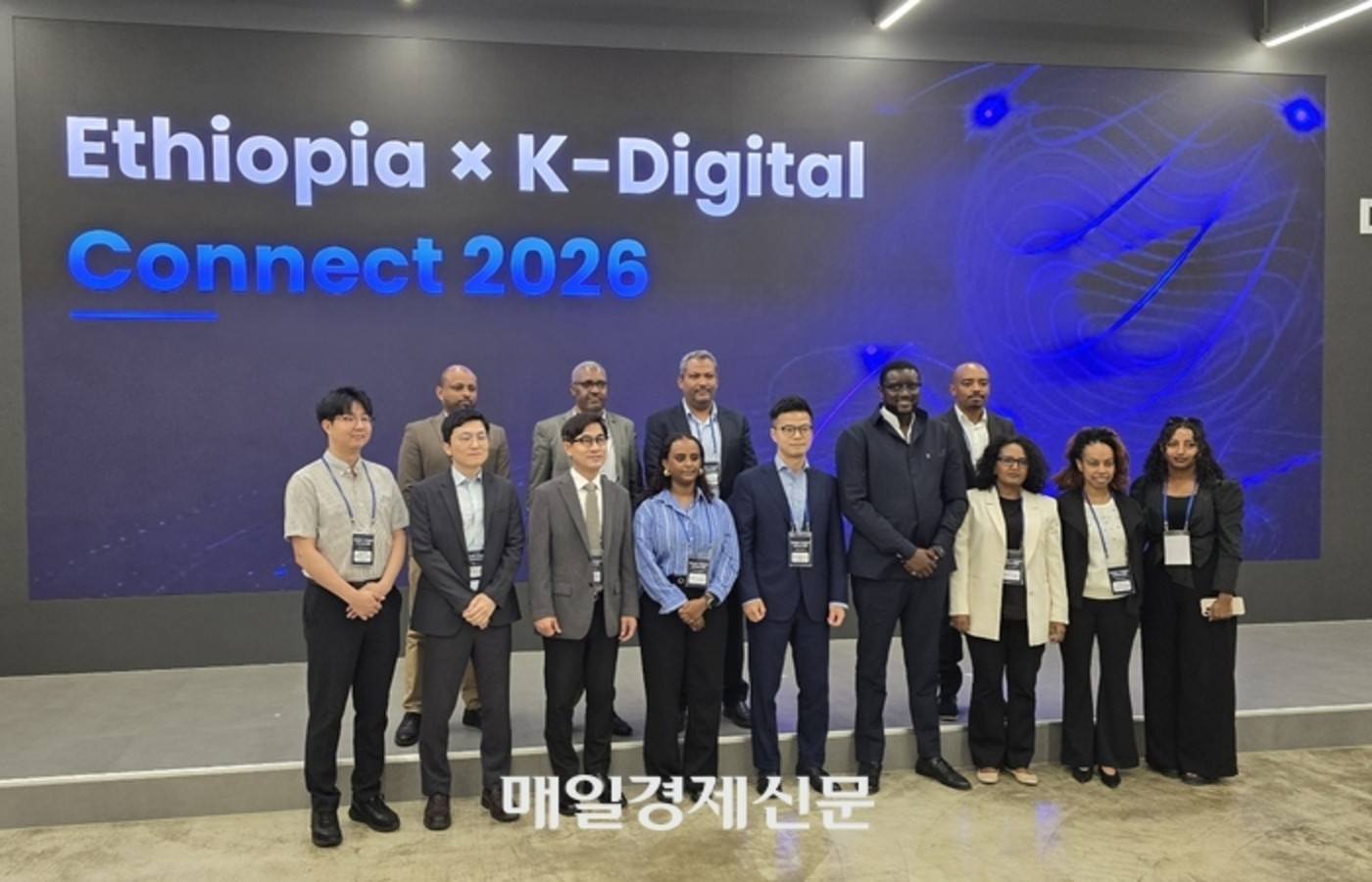
South Korean technology companies and development institutions are exploring Ethiopia’s national digital identity system, Fayda, as a potential platform for expanding digital financial services and other technology-based solutions across Africa.
The discussions took place during the Ethiopia–K-Digital Connect 2026 forum held in Seoul on July 15, where Ethiopian officials presented the progress of Fayda and explored partnerships involving blockchain, digital wallets, payment systems and artificial intelligence-based services.
The forum, organised by the Korea FinTech Industry Association, brought together Ethiopian government representatives, South Korean technology firms, the World Bank, the Export-Import Bank of Korea and the National Information Society Agency to discuss digital infrastructure cooperation through official development assistance (ODA).
Ethiopia’s Fayda programme has registered 47 million people, including refugees, out of the country’s population of about 120 million. The system currently supports more than two million identity authentication transactions daily through integration with over 150 public and private institutions.
Rachel Abraham, deputy director of Ethiopia’s National Identification Programme, said Fayda was designed to function in environments where internet connectivity remains limited.
“We have implemented the system to enable identity authentication through QR codes and blockchain-based wallets even offline, considering local communication conditions where internet connections are not 100 percent guaranteed,” she said.
The Ethiopian government has been expanding the use of Fayda beyond identity verification, integrating it into public services, agricultural programmes and social protection systems as part of its digital transformation agenda.
South Korean participants said digital identity systems such as Fayda could provide a foundation for expanding financial services to people without access to traditional banking systems.
“The ultimate vision is to provide financial benefits by distributing digital wallets with Korea’s blockchain technology to the underprivileged population in Africa who do not even have bank accounts,” participants said during the forum.
Kim Jong-hyun, chairman of the Korea FinTech Industry Association, said demand for digital transformation in developing countries is expanding beyond financial services into areas directly linked to daily life.
“The demand for digital transformation in developing countries is expanding beyond simple finance to primary services closely related to life, such as agriculture and welfare,” Kim said.
South Korea has identified Ethiopia as a strategic partner for digital government cooperation in Africa. The country has recently increased government-led efforts to promote its digital government model in Ethiopia, one of its priority ODA partner countries.




