

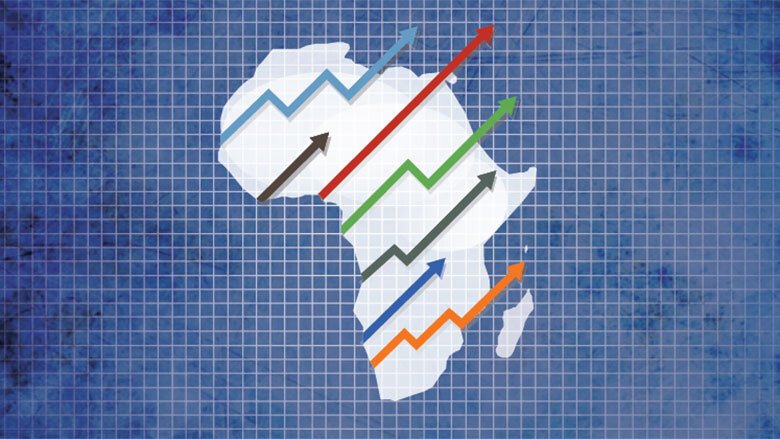
The World Bank Group has released its latest Africa Economic Update, projecting regional economic growth for Sub-Saharan Africa to reach 4.3 percent for 2026. The updated economic forecast reflects upward revisions across nearly three-quarters of the economies in the region, including major national markets such as Nigeria, Angola, Ethiopia, and Zambia.
Despite the broader macroeconomic rebound and upward growth revisions, the report underscores that regional output expansion remains insufficient to generate adequate employment opportunities for Sub-Saharan Africa's rapidly growing labor force. While sovereign public debt levels have largely stabilized across many developing nations, persistently high debt-service obligations continue to severely constrain national fiscal space, restricting public expenditure on vital infrastructure development. Furthermore, the update notes a declining trend in international development assistance, intensifying the imperative for alternative capital mobilization structures.
Financial experts and regional economists emphasize that African governments must increasingly look toward private capital deployment rather than traditional aid dependency. Analysts argue that sustainable development requires the prioritization of revenue-generating infrastructure assets and the structuring of commercial projects that are bankable from their inception, rather than ventures dependent on ongoing public subsidies. This evolving macroeconomic landscape has catalyzed new private-sector initiatives, such as the African Collaborations Group (ACG), which aim to structure self-sustaining infrastructure projects designed to create permanent employment, generate diversified year-round revenues, and bypass additional sovereign debt accumulation.
For related regional economic analysis, read our report on Cost Pressures Test Kenya's Private Sector Recovery as Output Lags or explore our story on Afreximbank Balance Sheet Grows Sixfold Over Decade.




