

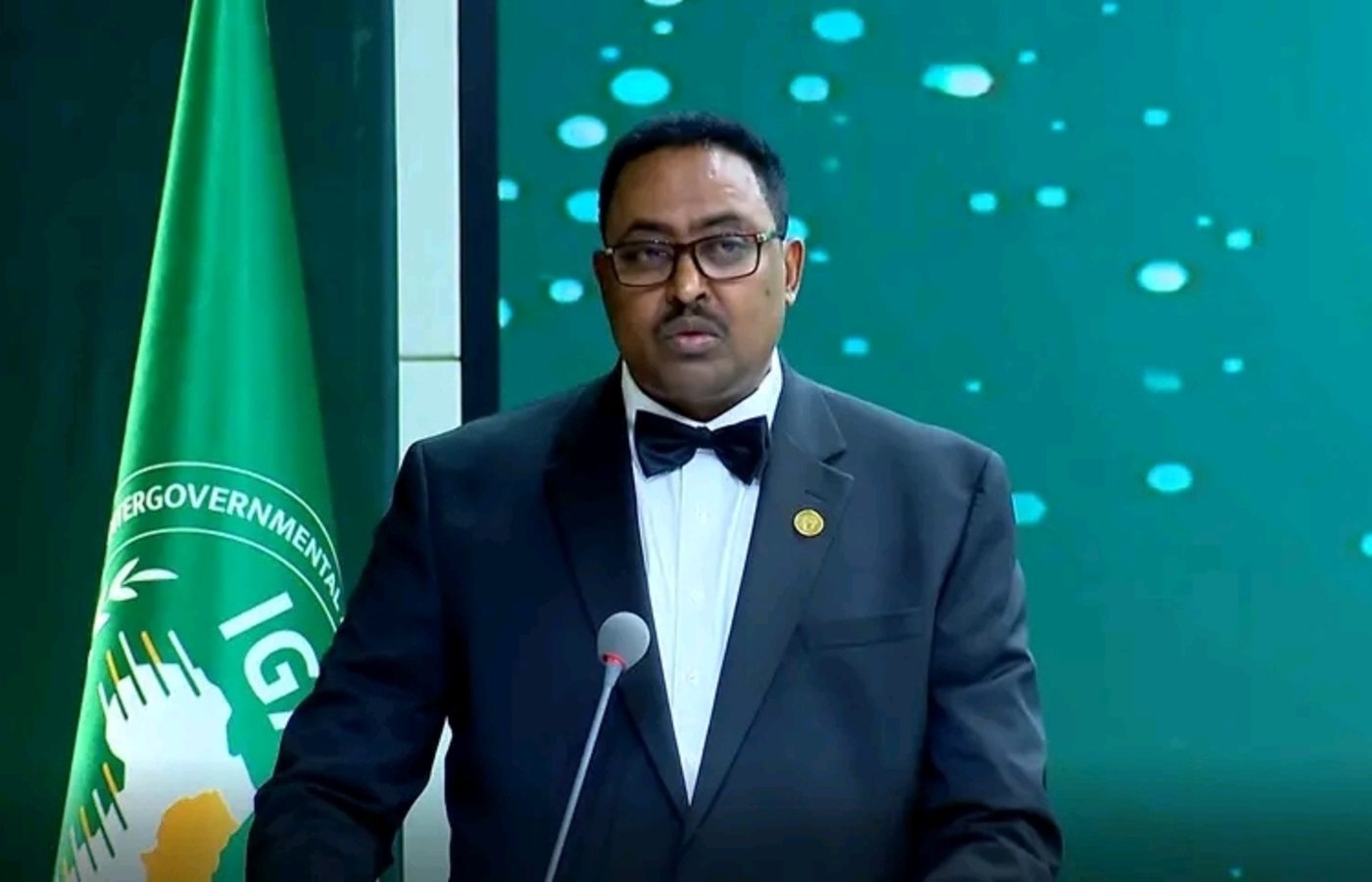
Sudan has decided to resume its full participation in the Intergovernmental Authority on Development (IGAD), ending a period of limited engagement with the East African regional bloc, the organisation said on Sunday.
In a statement issued in Djibouti, IGAD said it welcomed Khartoum’s decision to rejoin the organisation’s activities in full. The bloc’s executive secretary, Workneh Gebeyehu, said Sudan’s return reinforced regional cooperation at a time of heightened political and security pressures across the Horn of Africa.
Sudan is a founding member of IGAD, which brings together eight countries in eastern Africa to coordinate on peace, security, economic integration and climate-related challenges. The organisation has played a central role in mediating conflicts in Sudan, South Sudan, Somalia and Ethiopia over the past three decades.
Workneh said Sudan’s renewed engagement would strengthen IGAD’s institutional capacity to address shared regional priorities, including conflict resolution, humanitarian coordination and cross-border security. He also acknowledged the role played by Ismail Omar Guelleh, president of Djibouti and current chair of IGAD, in facilitating dialogue that led to Sudan’s return.
Sudan’s decision comes as the country remains embroiled in a civil war between the Sudanese Armed Forces and the Rapid Support Forces, a conflict that erupted in April 2023 and has displaced millions, destabilised neighbouring states and strained regional diplomacy.
IGAD has been involved in multiple, though fragmented, mediation initiatives aimed at ending the fighting, alongside efforts led by the African Union, the United Nations and Gulf states. Progress has been limited, with repeated ceasefires collapsing and humanitarian access remaining constrained.
The IGAD secretariat said it was ready to work closely with Sudanese authorities to support peaceful solutions to the country’s current challenges and to promote regional stability and development.
Sudan has not specified whether its renewed participation will alter its stance on ongoing mediation tracks, but regional officials have argued that full engagement with IGAD is necessary to coordinate diplomatic, security and humanitarian responses across the Horn of Africa.




