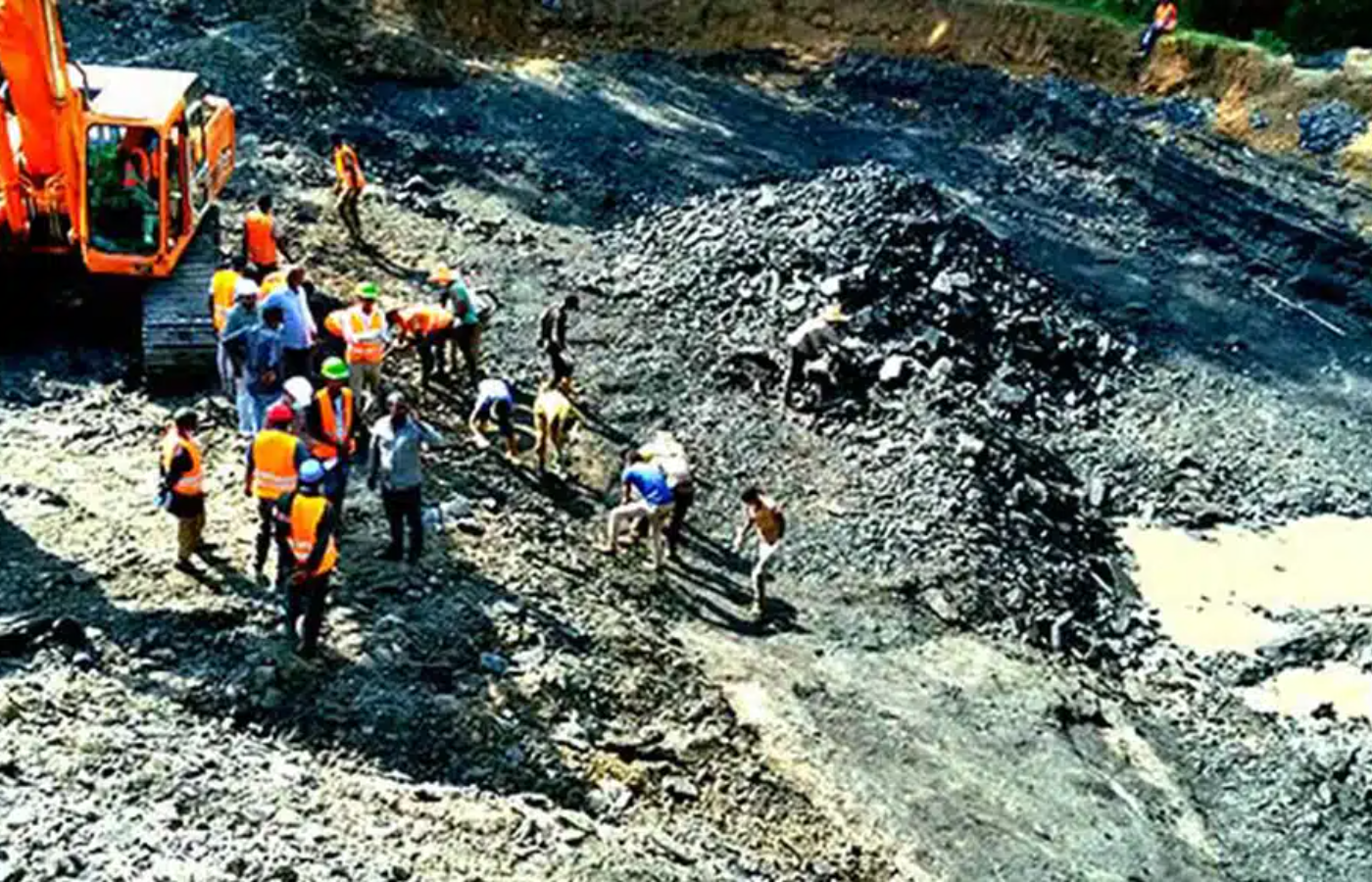
The Ethiopian Geological Institute has confirmed the presence of an estimated 81 million tonnes of coal reserves in Kindo Didaye district of Wolaita Zone in southern Ethiopia, following exploration and laboratory studies conducted in the area.
The institute said the deposit covers about 81 square kilometres and consists of sub-bituminous coal with high volatile content and low sulphur levels, making it suitable for industrial use including cement production, boilers and brick manufacturing.
Officials said the discovery was made as part of ongoing efforts to expand geological surveys and identify domestic energy resources that could help reduce Ethiopia’s dependence on imported coal and other mineral products.
Ethiopia is considered one of Africa’s countries with significant untapped mineral resources, including gold, gemstones, coal, iron ore, and other industrial minerals. However, limited exploration and development in previous years has prevented the sector from contributing fully to the national economy, with mining currently accounting for roughly one per cent of GDP.
As a result, the country continues to spend substantial foreign currency on imported mineral products, including coal used by cement factories and other industries. The Geological Institute said the country currently spends more than 300 million US dollars annually on coal imports, and that expanding domestic exploration is aimed at reducing this outflow while supporting industrial growth.
According to the institute, coal deposits in Ethiopia are generally classified into two major geological formations, known as Inter-Trappean and Pre-Trap volcanic sequences, based on their structure and origin.
The newly confirmed reserve in Kindo Didaye, located in the Omo Basin in the southern region, is expected to contribute to a better understanding of the country’s geological potential and could provide an alternative domestic energy source for the industrial sector if developed.