

While 21 percent struggle with financing, 28.8 percent of firms say simplified ESX regulations would make listing more attractive_
A lack of financing has emerged as the single largest barrier to the expansion of Ethiopia’s family-owned enterprises, with 21 percent of firms identifying access to capital as their biggest growth constraint, according to a new survey released at the Ethiopian Family Business Forum on Tuesday. The finding places financial pressure ahead of high operational costs, regulatory hurdles, and talent shortages — each reported by 19 percent of respondents — pointing to a sector that is maturing but still constrained by structural bottlenecks.
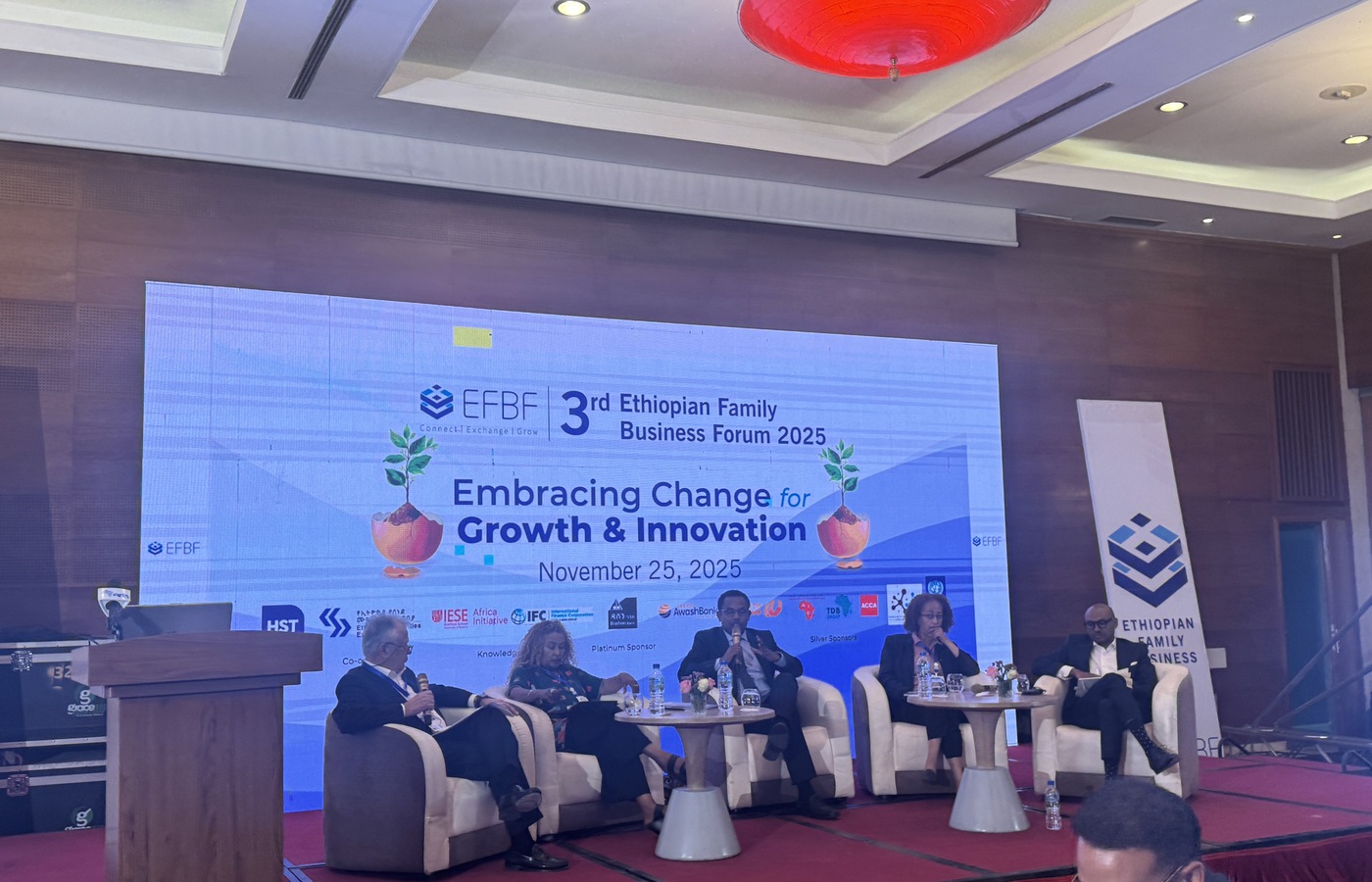
The annual survey, conducted by HST and presented at the Hilton Hotel during the 2025 Forum, draws on responses from 32 family businesses across manufacturing, retail, trading, logistics, agriculture, and services. More than half have operated for over 20 years, reflecting the stability and longevity that characterise Ethiopia’s family-enterprise landscape. Yet maturity has not translated into easier access to capital, with most companies still relying on internal funds to finance expansion.
Solomon Gizaw, Chairman and CEO of HST, said the findings reflect both the resilience of Ethiopia’s family enterprises and the pressures shaping their future.
“Family businesses are growing, but access to finance has not kept pace with their ambitions. This is the moment to strengthen governance, diversify funding sources, and prepare for emerging opportunities such as the Ethiopian Securities Exchange.”
The report shows that while firms continue to invest in expansion, diversification, research and development, and formal succession planning remain limited. Although 79 percent of respondents view innovation as essential, only 25 percent have indicators to track it and 31 percent have structured innovation processes. Digital adoption is growing, but improvements tend to be incremental rather than transformative. Leadership interest is driving most of the change, yet progress remains uneven without formal systems.
A similar pattern emerges in generational transition. Nearly half of firms — 47 percent — said the next generation’s role in innovation is “not yet determined”, despite global trends showing that younger leaders often drive competitiveness. A smaller group — 31 percent — said next-generation members already play active roles in shaping new ideas and practices.
The launch of the Ethiopian Securities Exchange (ESX) last year is reshaping the debate on long-term financing. The survey highlights rising curiosity among family firms — but also significant information gaps.
The findings show 46 percent of respondents are interested in ESX, and 25 percent say they may consider listing within the next five years.
However, 29 percent have no plan to go public, and 12.5 percent are not considering listing in the near future. The main reasons include preference for maintaining family ownership and control (33 percent), dependence on internal financing (33 percent), regulatory uncertainty, and limited understanding of listing procedures (27 percent).
Despite the reluctance, willingness to learn is exceptionally high: 97 percent of respondents say they are keen to attend workshops or seminars on ESX. This signals a significant opportunity for market actors to build awareness and provide structured guidance.
Respondents also identified the factors that would make listing more attractive: simplified regulatory requirements (28.8 percent), investor education and market-awareness initiatives (22.7 percent), and tax incentives for listed firms (21.2 percent). Many highlighted the need for advisory support, particularly on financial structuring (27 percent) and legal and regulatory guidance (25 percent), to help navigate listing requirements.
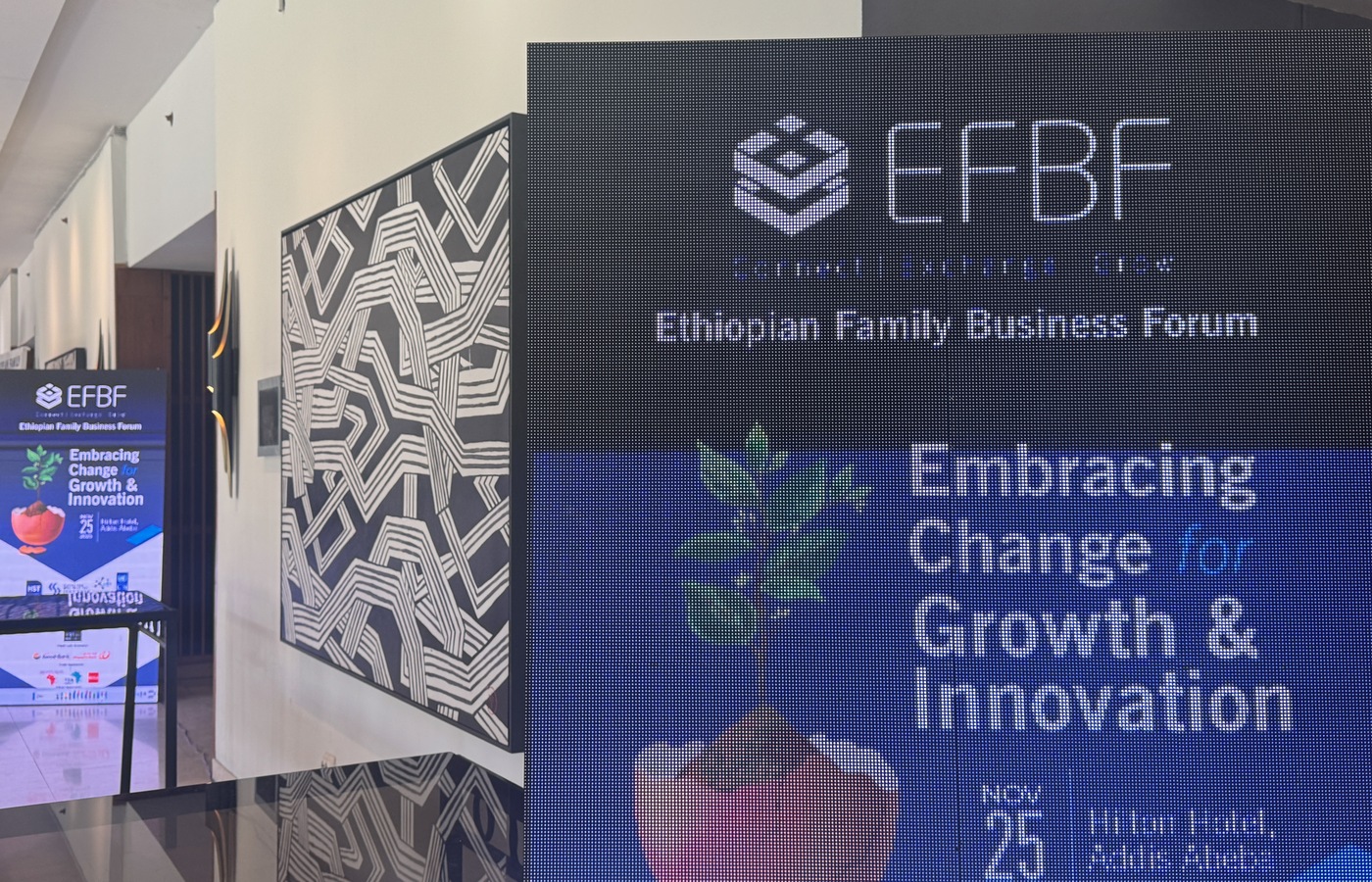
Held under the theme Embracing Change for Growth and Innovation, this year’s Forum placed financing, governance, and innovation at the centre of the policy discussion.
The event was opened by Tilahun E. Kassahun (PhD), CEO of the Ethiopian Securities Exchange, and legendary athlete and hospitality entrepreneur Haile Gebreselassie, both of whom highlighted the critical role of sustainable family-owned businesses in driving Ethiopia’s economic growth and fostering long-term innovation.
Sessions at the Forum examined how family enterprises can adapt through stronger governance structures, new financing pathways, and clearer roles for next-generation leaders.




