

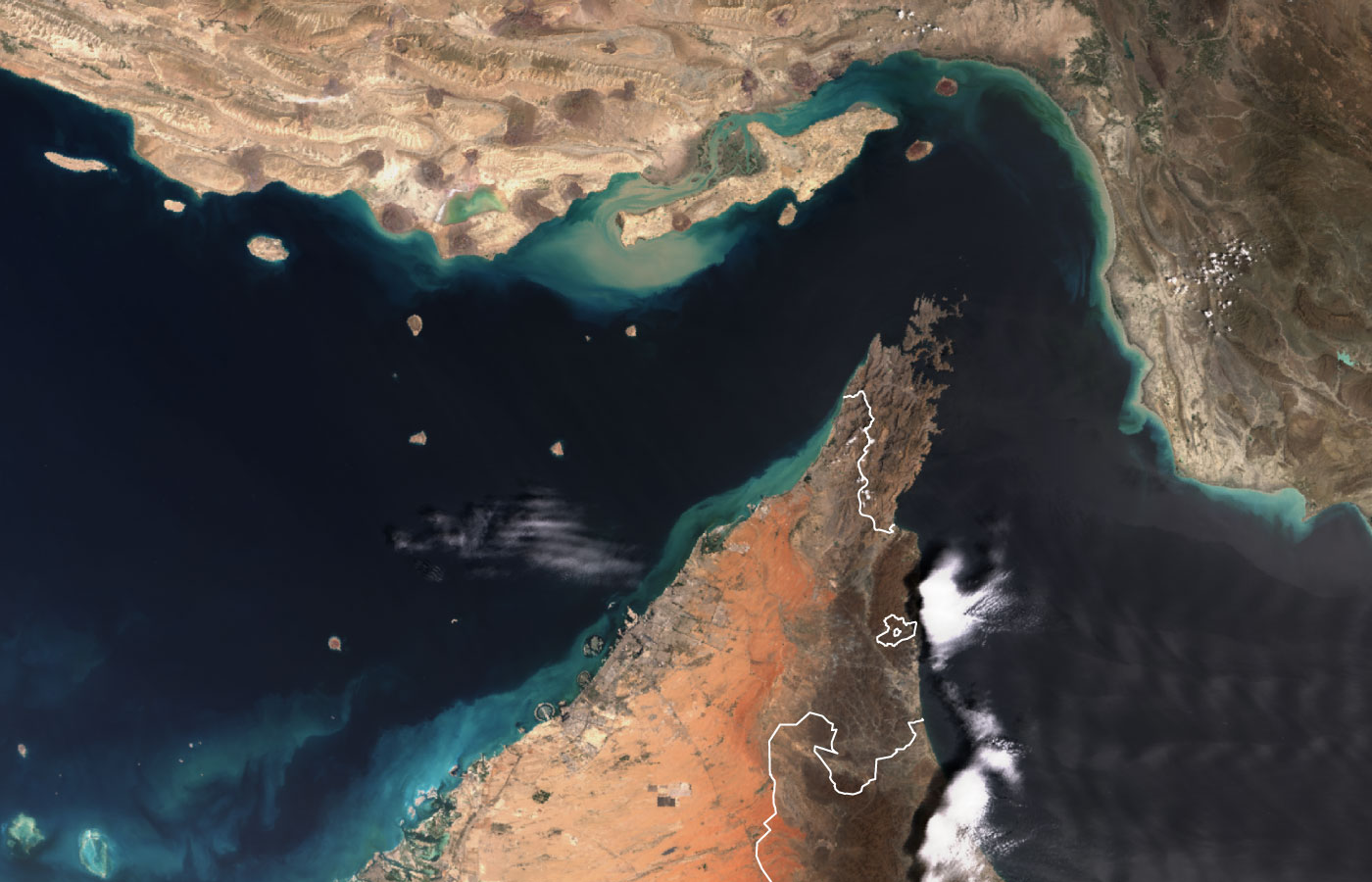
Iran said on Saturday that it had reimposed strict controls over the Strait of Hormuz, abruptly reversing a brief reopening of the crucial waterway and renewing fears over energy supplies and maritime security in one of the world’s most strategically sensitive corridors. The move came after the US insisted that its naval blockade of Iranian ports would remain in place despite a ceasefire linked to the Lebanon conflict. 
The decision jolted markets and shipping operators that had hoped a tentative de-escalation on Friday would allow traffic through the narrow passage to resume. Instead, Tehran signalled that access would again be tightly managed by its armed forces unless Washington eased pressure on Iranian shipping. Reuters and AP reported that Iranian authorities had shifted from allowing limited passage to restoring restrictions after the US maintained its coercive stance. 
The latest reversal underlines how fragile the regional truce remains. A US-brokered ceasefire intended to halt hostilities in Lebanon had raised hopes that a wider easing of tensions might follow. But President Donald Trump said the blockade of Iranian ports would continue until a broader agreement was reached, prompting Tehran to harden its position over Hormuz. 
Iranian state media said the strait had “returned to its previous status”, with the military asserting control over movements through the passage. In practical terms, that has left commercial shippers once again facing the prospect of delays, harassment and sharply higher insurance costs in a route that carries a substantial share of the world’s seaborne oil trade. Reuters reported that Britain’s foreign secretary on Saturday called for the full resumption of shipping, while acknowledging that normal operations had still not resumed. 
The renewed restrictions appeared to catch a number of vessels in transit. AP reported that Iranian gunboats fired on a tanker amid the clampdown, in a sign of how quickly the security situation can deteriorate even after diplomatic breakthroughs. Shipping trackers and maritime operators have been watching for evidence of vessels turning back or attempting to signal neutrality as they navigate the uncertainty. 
For energy markets, the return of tension to Hormuz is especially alarming because the strait remains the single most important chokepoint for global oil and liquefied natural gas flows. Even limited disruption can send crude prices higher, lift freight rates and deepen anxiety over the resilience of supply chains already strained by conflict and sanctions. War-risk premiums, which had only briefly shown signs of easing, are now expected to remain elevated so long as the standoff persists. This is an inference based on the reported renewed restrictions, incomplete shipping resumption and firing incident. 
Diplomatic efforts continue, but with little sign of an immediate breakthrough. Pakistan-backed mediation has yet to deliver a fresh round of talks, and the gap between Washington’s pressure campaign and Tehran’s insistence on reciprocal freedom of navigation remains wide. The result is a renewed impasse in which neither side appears willing to back down, while commercial shipping bears the cost.
The brief 24-hour reopening on Friday triggered an immediate, sharp correction in global energy markets, with Brent Crude and WTI prices tumbling by nearly nine percent as traders anticipated a restoration of the 20 million barrels per day that typically flow through the corridor.
However, the re-closure on Saturday has completely reversed those gains, with physical crude prices again decoupling from futures as importing nations scramble for a shrinking pool of available supply.




