

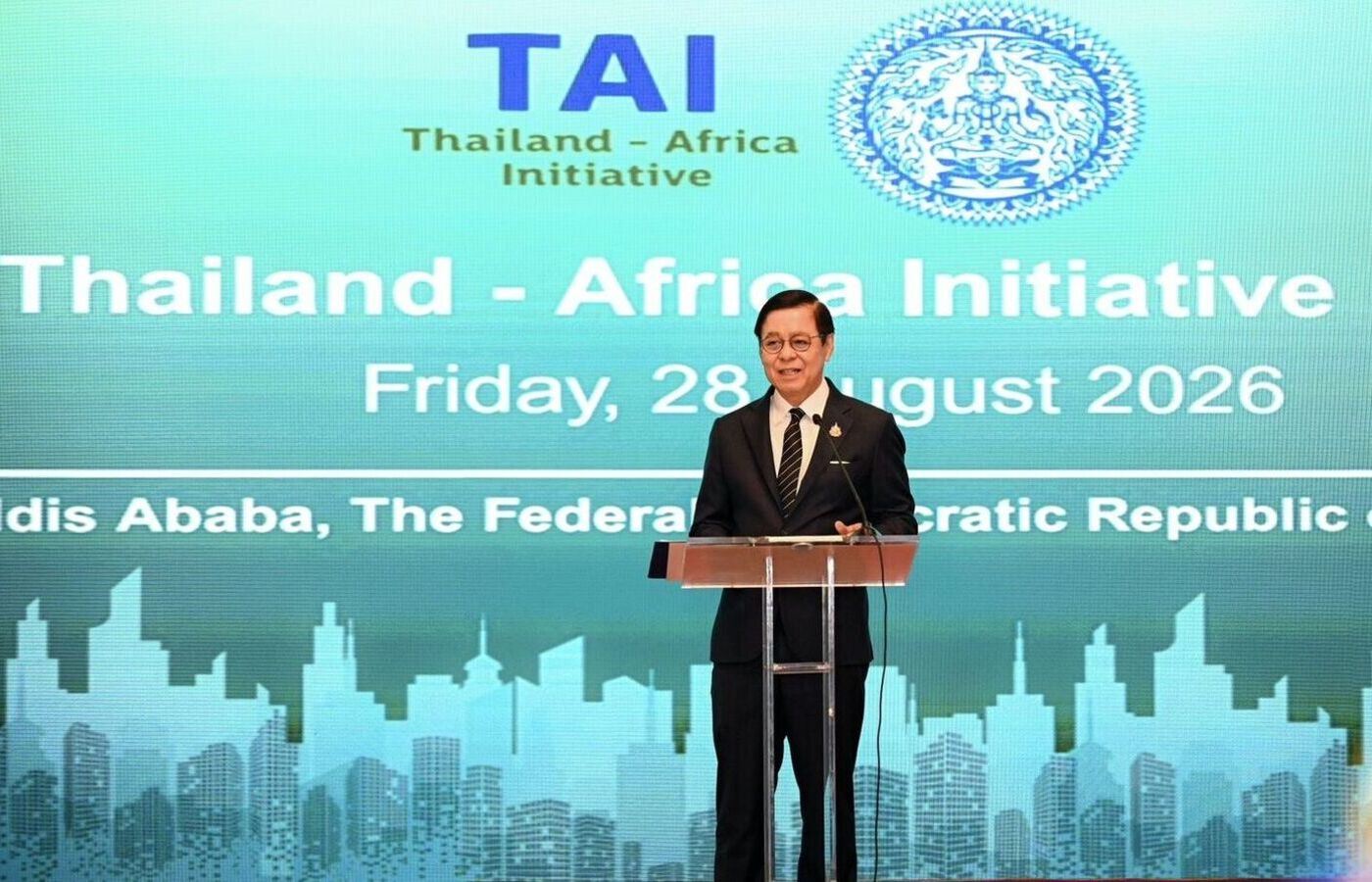
Thailand is preparing to reopen its embassy in Addis Ababa, restoring a diplomatic presence it closed 45 years ago as Bangkok seeks to deepen economic and political engagement with Ethiopia and expand its footprint across Africa.
The move was announced by Thai Deputy Prime Minister and Foreign Minister Sihasak Phuangketkeow during his official visit to Ethiopia on August 28, part of a wider Africa tour that also took him to Nigeria. It was his first official visit to Africa since taking office.
Thailand opened its embassy in Addis Ababa in 1964 but closed the mission in 1981 amid internal unrest in Ethiopia. Since then, Bangkok has managed relations with Ethiopia through its embassy in Nairobi, while maintaining an honorary consulate in Addis Ababa. The planned reopening would restore a resident Thai diplomatic presence in the Ethiopian capital after more than four decades.
The decision reflects a broader shift in Thailand’s approach to Africa, with Addis Ababa gaining importance not only as Ethiopia’s capital but as the headquarters of the African Union.
Thailand intends for its ambassador in Addis Ababa to also be accredited to the AU, giving the restored mission a role extending beyond bilateral relations. Bangkok sees Ethiopia as a potential bridge between Southeast Asia and Africa and has identified closer links between the African Union and the Association of Southeast Asian Nations as a strategic objective.
During his visit, Sihasak met Ethiopian President Taye Atske-Selassie and Foreign Minister Gedion Timothewos for talks covering bilateral relations, trade, investment and wider regional cooperation.
The two countries signed a memorandum of understanding establishing regular high-level political consultations, creating an institutional framework for dialogue on bilateral, regional and international issues.
Economic cooperation was also prominent. Thailand expressed readiness to encourage its private sector to invest in Ethiopia, particularly in agricultural processing and value addition, with Thai companies expected to contribute technology, innovation and processing expertise.
The two sides also agreed to strengthen cooperation between their chambers of commerce, with the aim of creating stronger business-to-business links and expanding commercial engagement.
Other areas discussed included air connectivity, medical and wellness tourism, development cooperation, technical capacity building, climate change and efforts to combat human trafficking.
Thailand also relaunched its Thailand-Africa Initiative in Addis Ababa, organised around four areas: political, economic, development and global strategic cooperation. The initiative reflects Bangkok’s effort to build a more structured relationship with African countries and institutions.
The renewed push comes as Thailand seeks to strengthen its position within the Global South and expand economic ties beyond its traditional markets. Sihasak has also argued for stronger links between regional organisations, including the AU and ASEAN, and defended the importance of a rules-based international trading system and the World Trade Organisation.
Furthermore, the diplomatic reset is anticipated to provide a significant boost to bilateral trade and economic partnerships between East Africa and Southeast Asia. Institutional mechanisms, such as joint business councils and regular trade delegations, will play a vital role in addressing existing trade barriers, streamlining customs procedures, and facilitating direct investment opportunities for private enterprises in both nations.
In addition to agriculture and industrial processing, both countries stand to benefit from enhanced collaboration in sustainable energy, technical education, and tourism. Ethiopia continues to position itself as a major aviation and logistics hub in the Horn of Africa, closer ties with Thailand are expected to unlock new commercial avenues, strengthen supply chain resilience, and promote sustainable economic growth across the region.
These strategic initiatives underscore a shared commitment to long-term economic development, offering expanded market access, knowledge sharing, and stronger commercial ties for businesses in both Ethiopia and Thailand moving forward.




