

One of the major reforms Ethiopia introduced in the education sector came during the early years of Prime Minister Abiy Ahmed’s (PhD) administration, when his government brought opposition figures into senior positions, including prominent politician Birhanu Nega (PhD), who later became minister of education.
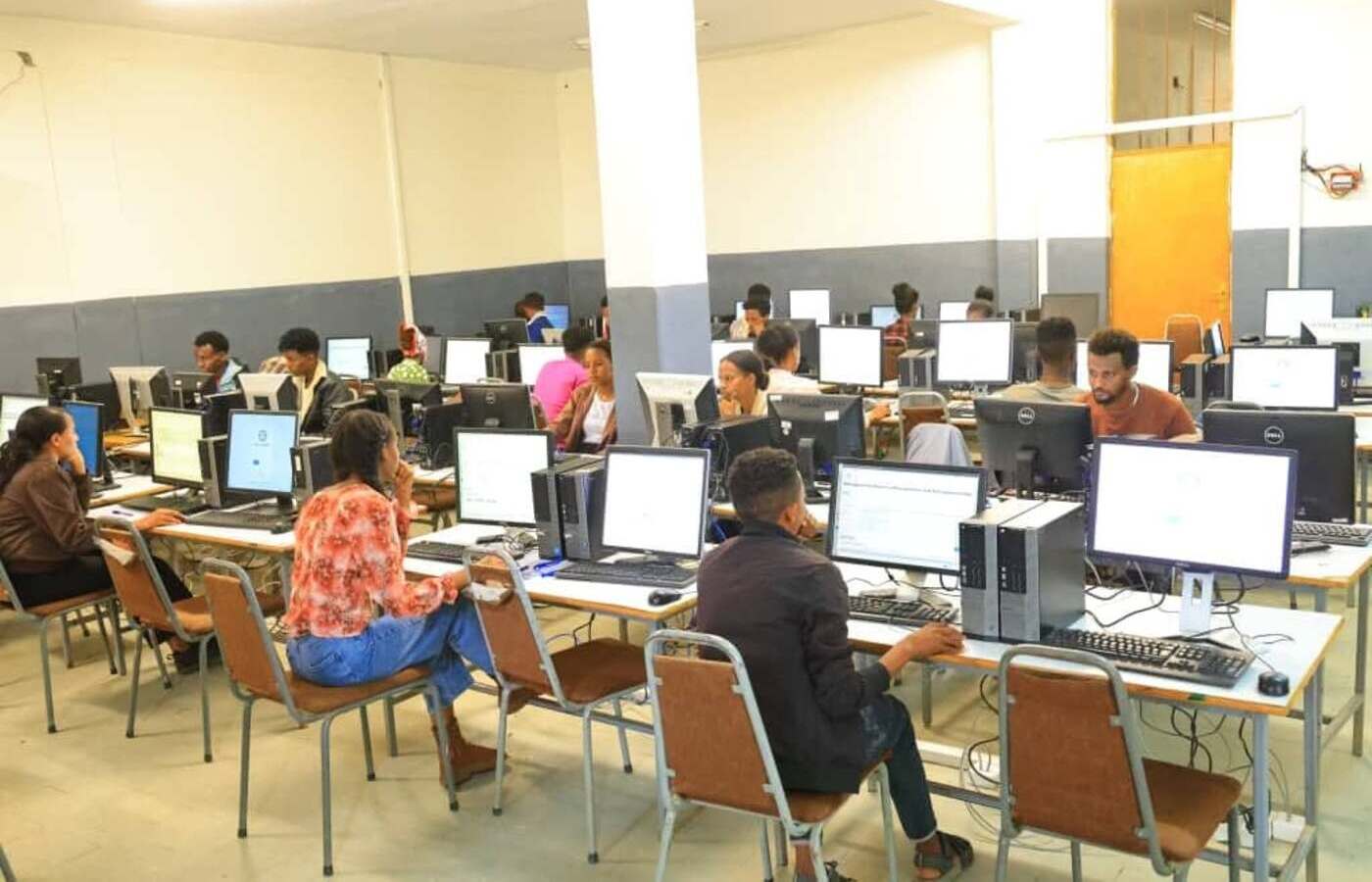
Under his leadership, the Ministry of Education introduced a series of changes aimed at reshaping higher education, including the return of a mandatory exit exam for undergraduate students. In 2019, a new phrase entered the vocabulary of university students across Ethiopia: the exit exam.
The assessment quickly became a defining feature of campus life, triggering anxiety, debate and intense preparation among students nationwide. For many, completing coursework and earning enough credits was no longer sufficient; graduation had become dependent on passing a single national examination.
Six years later, the memories remain vivid for 27-year-old Kidus Belachew, an agricultural economist graduate at University of Gondar. Now in his second year of employment, he still remembers the pressure that gripped his university dormitory as students prepared for the newly introduced exit exam.
"I spent most of my time studying," he said. "It felt like all the grades we had worked for over the years would count for nothing if we failed the exam."
The policy formed part of a broader effort by the government to address concerns over the quality of higher education, establish a common national benchmark for graduates and ensure students possessed the competencies expected in their fields before entering the labour market. Officials also viewed the exam as a tool for holding universities accountable for the quality of education they provide.

Adding to the uncertainty was the fact that those required to sit the exit exam were also among the first cohorts to experience the government's overhauled Freshman Programme, a centralised first-year curriculum designed to provide a common academic foundation before students entered their fields of study. As universities adjusted to the new structure, another disruption soon followed. The COVID-19 pandemic spread globally and reached Ethiopia in March 2020, forcing prolonged campus closures and pushing institutions toward uneven forms of remote learning.
The disruptions pushed universities and students into a compressed academic calendar that strained the traditional two-semester system. In some instances, students were required to complete three semesters within a single academic year as institutions attempted to recover lost time and keep graduation timelines on track.
“We didn’t really get to enjoy university life,” Kidus recalled.
Taken together, the exit exam reform and the overhaul of the Freshman Programme reshaped Ethiopia’s higher education landscape, altering long-standing approaches to student assessment amid concerns from authorities over declining academic standards and graduate readiness for the labour market.
“The research underpinning these reforms isn't new; it has been sitting in national educational roadmaps for years. The implementation was simply delayed, which is why it feels like a sudden shock to the system,” said Nigussie Tadesse, president of Ethiopian Public Service University. Nigussie argued that the exit exam should not be viewed as a standalone solution to the challenges facing higher education.
Rather, he described it as a quality assurance and diagnostic tool that helps identify gaps in learning outcomes and institutional performance. He said the revamped Freshman Programme serves a complementary role by providing students with a common academic foundation before they specialise in their chosen disciplines.
The years that followed, however, revealed the high stakes attached to the reform. In the first nationwide rollout of the exit exam, 150,184 prospective graduates sat for the assessment, with only 61,054 students passing, translating to a pass rate of 40.65 percent. The outcome sent shockwaves through the higher education sector, raising questions about student preparedness, teaching quality and the effectiveness of university training.
The figures were particularly striking when viewed against the previous academic year, when roughly 160,000 undergraduate students graduated from Ethiopian universities. Suddenly, a degree was no longer guaranteed by completing coursework and earning sufficient credits. Graduation had become contingent on clearing a national competency test, exposing a gap between years of academic progression and the standards the government believed graduates should meet before entering the labour market.
As the pressure to pass intensified, so did concerns about academic integrity. Interviews with students and educators indicate that some candidates are turning to paid assistance and other illicit methods in an effort to secure a passing score, reflecting the intense pressure associated with an examination that can determine whether years of university study culminate in a degree.
Melat Zegeye, a pseudonym used to protect her identity, failed the exit exam last year. Seeking to improve her prospects for promotion at work, she said she became aware of a network where students allegedly paid individuals to act as proxy test-takers during the examination.
According to Melat, these individuals obtain candidates' personal details and exam information before attempting to complete the assessment on their behalf. She said the cost can reach 20,000 birr, although prices vary depending on personal connections.
“One of my friends who introduced us to him already knew him and paid only 10,000 birr,” she said.
Melat, who is based in Addis Ababa, told Birrmetrics that the individual collected information from her and other students, including payment receipts and examination codes, before returning to the university where he was based, where he allegedly completed the exam remotely on their behalf.
She recalled the examination period as one of the most stressful moments, as questions were raised by exam administrators and other stakeholders over the security of the system. According to her, after the proxy test-taker accessed the platform using a candidate’s code, the student remained logged into the main page while the other person completed the assessment remotely.
The alleged practice has raised questions about the strength of the safeguards surrounding the Ethiopian University Exit Exam’s digital platform. The system appears to operate through a centralised examination management portal that links candidates’ identities, university records and exam access.
Students use the platform to register, verify their information, access examination services and later check results. Unlike an open online testing platform, access is restricted to registered candidates through individual accounts, meaning the system relies on identity verification and controlled access.
“Let’s look at this pragmatically. No system on earth, whether in Ethiopia, the United States or Europe, is 100 percent foolproof. Human systems will always have vulnerabilities,” Nigussie said.
He added that when a high-stakes digital gatekeeper such as an exit exam is introduced, it can create incentives for new forms of malpractice. “You will see people trying to exploit the pressure on students by claiming they can manipulate the system, provide unfair assistance or access confidential information in exchange for money,” he said.
However, Nigussie argued that isolated cases of malpractice should not be confused with a systemic failure of the examination model. He said the shift to digital assessment was introduced after concerns over the integrity of the previous paper-based examination system, which he described as having faced widespread vulnerabilities.
Tewelde Zemichael, chief executive of Geez Education and Training and one of the designers involved in developing the exit exam curriculum, said the platform was built with safeguards intended to prevent examination malpractice.
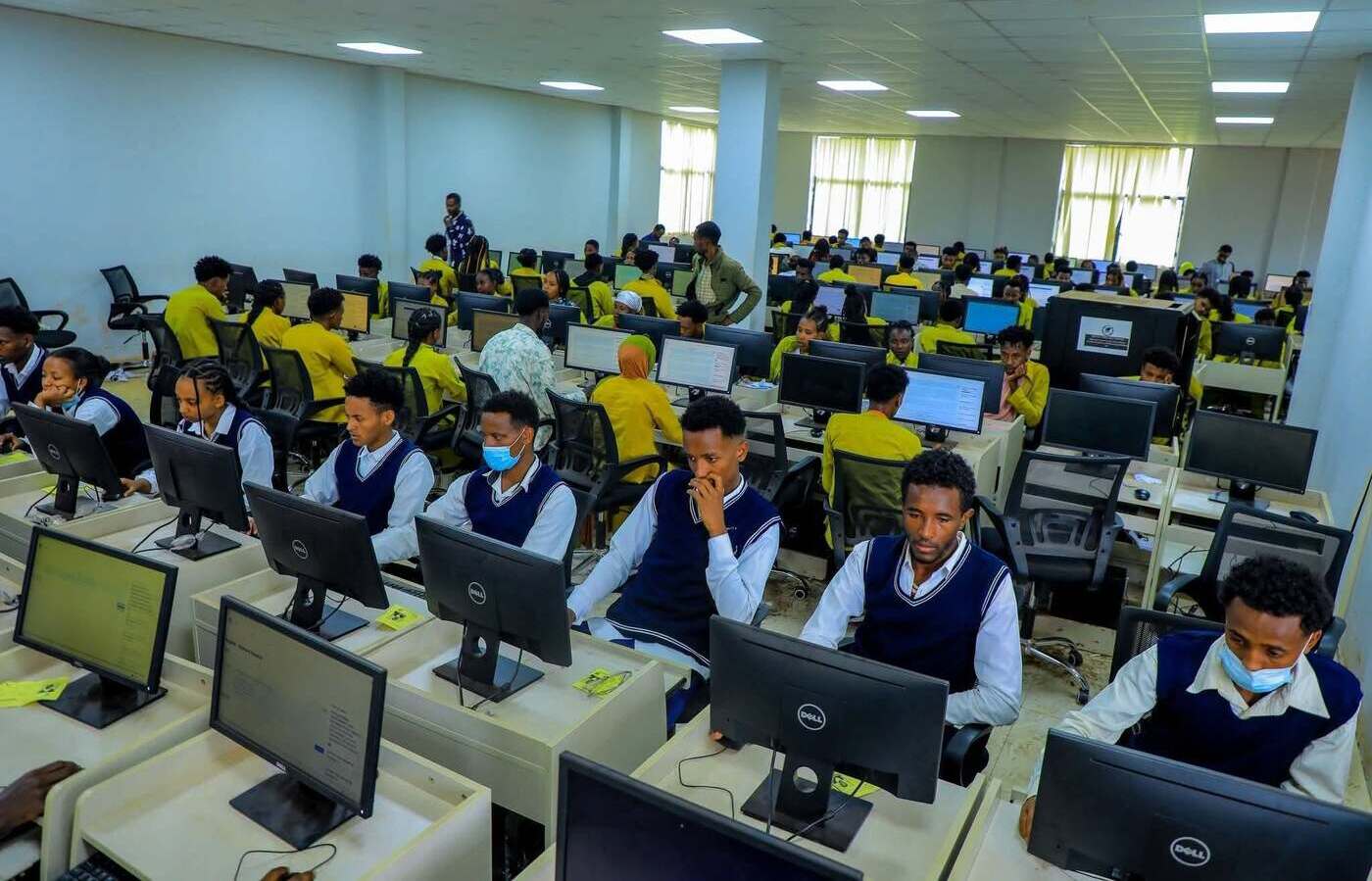
However, he cautioned that maintaining full oversight over every activity within the system remains a challenge, particularly when it comes to tracking who accesses accounts and how they are used.
“If you see an unusual access attempt into someone’s account, you can hold them accountable,” he said.
He added that stronger integration of activity-log monitoring tools would help administrators better track suspicious activity and respond to potential violations.
One of the major challenges identified during the development of the system was the risk of infrastructure failures. Designers highlighted power disruptions as a potential threat to examination continuity and considered contingency measures, including alternative energy sources such as solar systems and generators.
Internet connectivity also posed another challenge, particularly in ensuring sufficient bandwidth and stable access during high-volume examination periods.
Tewelde argued that individuals with access to the system have limited ability to commercialise examination content because the platform does not rely on a fixed examination paper. Instead, it uses a question bank, with each field containing around 1,000 questions from which the system generates assessments for candidates.
He said the approach reduces the risk of question leakage and advance access to examination materials, as obtaining the full question pool would not necessarily reveal the questions assigned to a specific candidate.
The exit exam is playing an important role in improving graduate readiness for the labour market, but at this early stage the system requires continuous refinement to address emerging challenges. The Ministry of Education has previously cancelled the results of candidates found to have engaged in cheating and other violations of examination rules.
However, the emergence of more sophisticated forms of alleged malpractice presents a different challenge for regulators. Unlike conventional cheating cases, where violations can often be detected during the examination process, allegations involving individuals who understand the system and exploit access mechanisms raise more complex questions about the security and oversight of the assessment.
Birrmetrics sought comment from the Ministry of Education and the Educational Assessment and Examination Service on the allegations and broader concerns surrounding the exit exam system, but did not receive a response before publication.




