

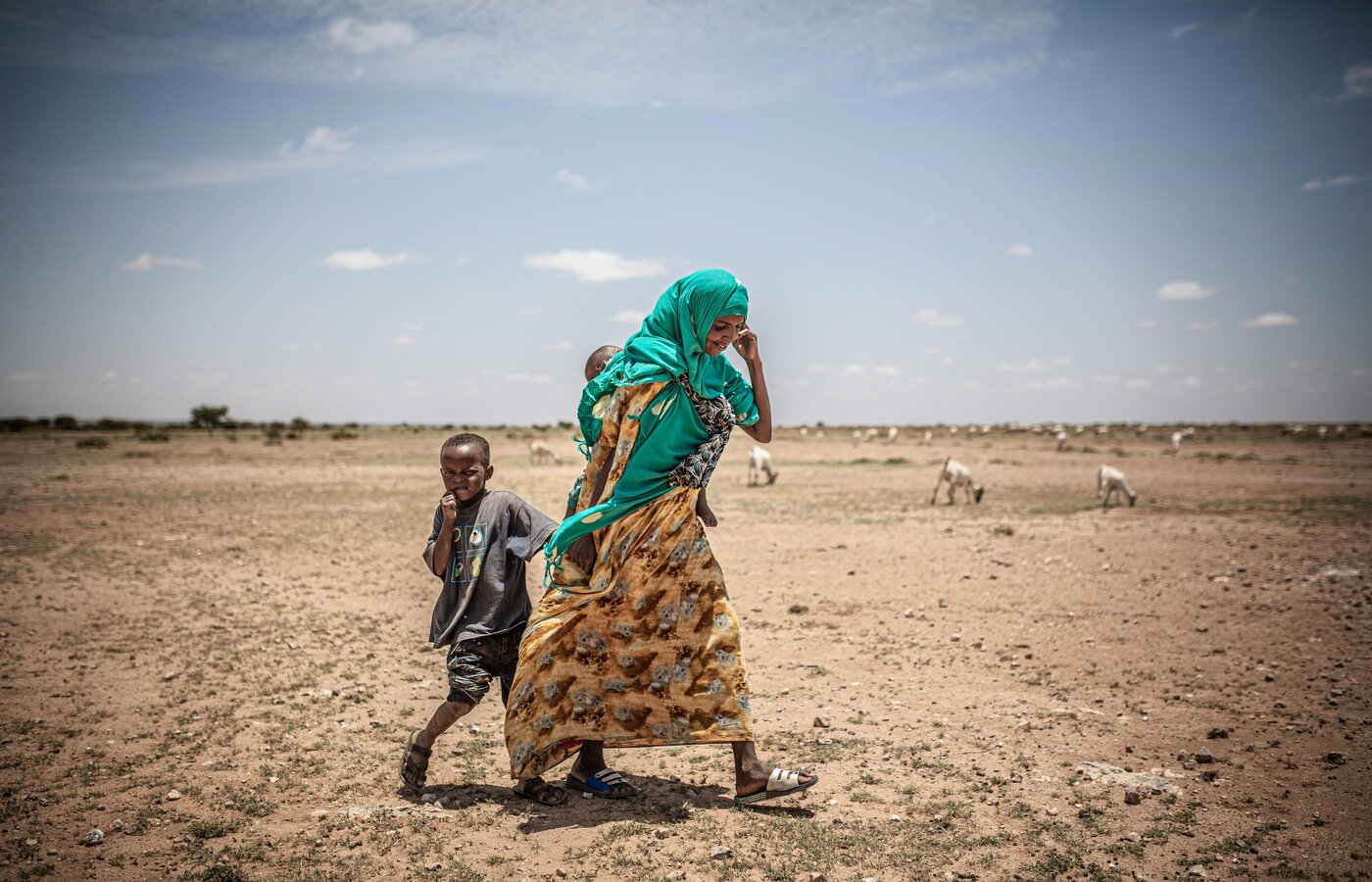
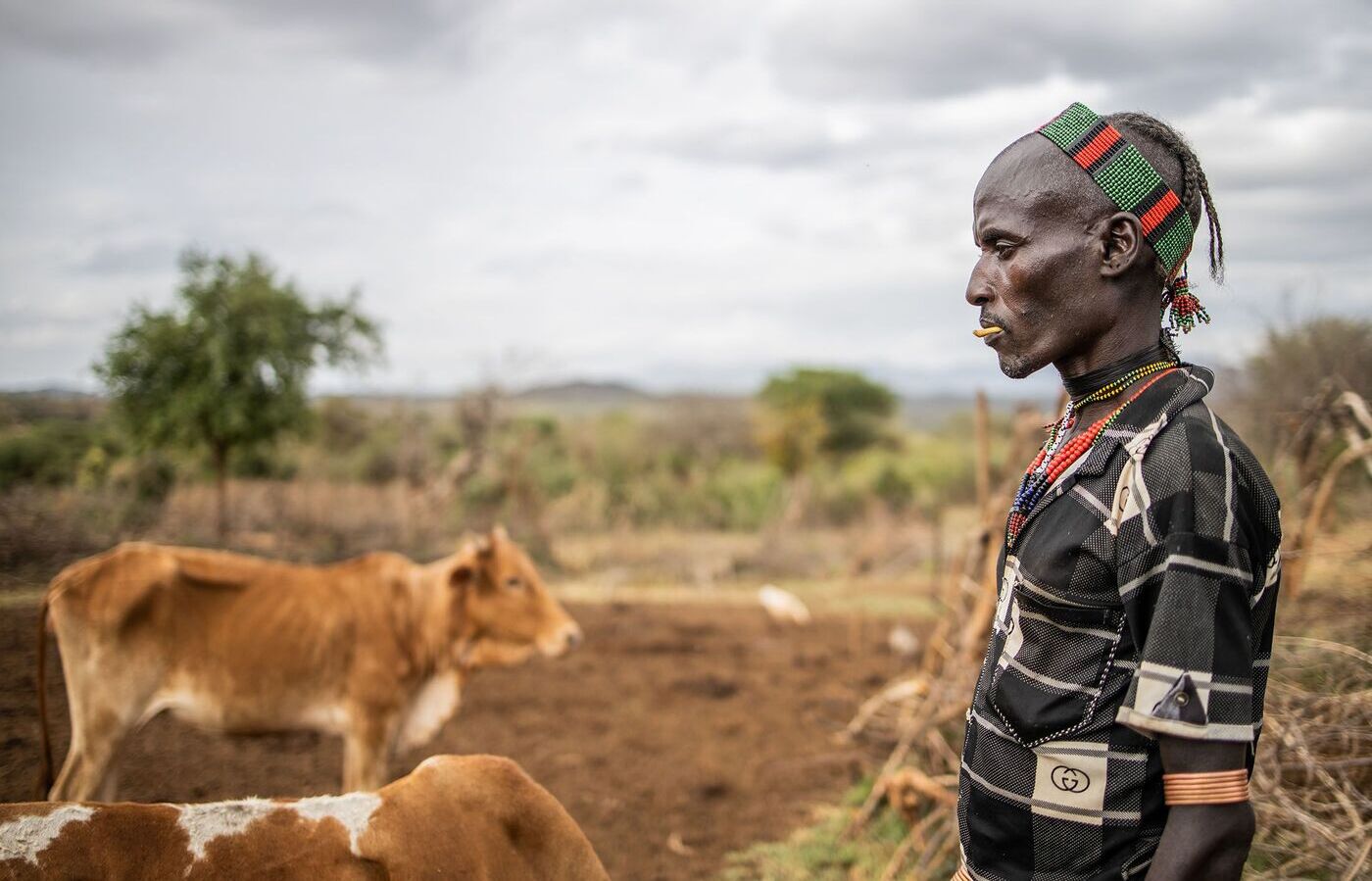
For Girmaa Wako, a pastoralist in the dry lowlands of Borena, survival is no longer measured in seasons. It is measured in cattle.
Seven of his animals have died. Each one was more than livestock. They were savings, insurance, food and inheritance in a place where wealth often walks on four legs. When the rains failed, the pasture thinned. When the pasture disappeared, water points became crowded. When the animals weakened, Girmaa had little left to sell.
Across southern Ethiopia, that story has become painfully familiar. Repeated droughts have stripped pastoral households of their most important assets, while erratic rainfall, degraded rangelands and rising temperatures have weakened old coping systems. For families such as Girmaa’s, climate change does not arrive first as a diplomatic argument. It arrives as hunger, debt, migration and the slow liquidation of a way of life.
Ethiopia has long argued, with reason, that it is paying for a crisis it did little to create. The Intergovernmental Panel on Climate Change says human activity has already warmed the planet by about 1.1 degrees Celsius above the 1850–1900 average, while the World Meteorological Organization says 2025 was around 1.43 degrees Celsius above that pre-industrial baseline, making the past 11 years the hottest on record.
But Ethiopia’s climate crisis is no longer only a story of global injustice. It is also a test of domestic capacity. The country needs far more climate finance. Yet it also needs stronger institutions to plan, absorb, track and deploy that finance before disasters turn into humanitarian emergencies.
That is the hard truth behind Ethiopia’s climate finance debate. The global system has been slow and unfair. But Ethiopia’s own system remains fragmented, under-capitalised and too often reactive. As the country prepares to host COP32, the question is no longer whether Ethiopia has the moral authority to demand climate justice. It does. The question is whether it can turn climate money into protection for people like Girmaa.
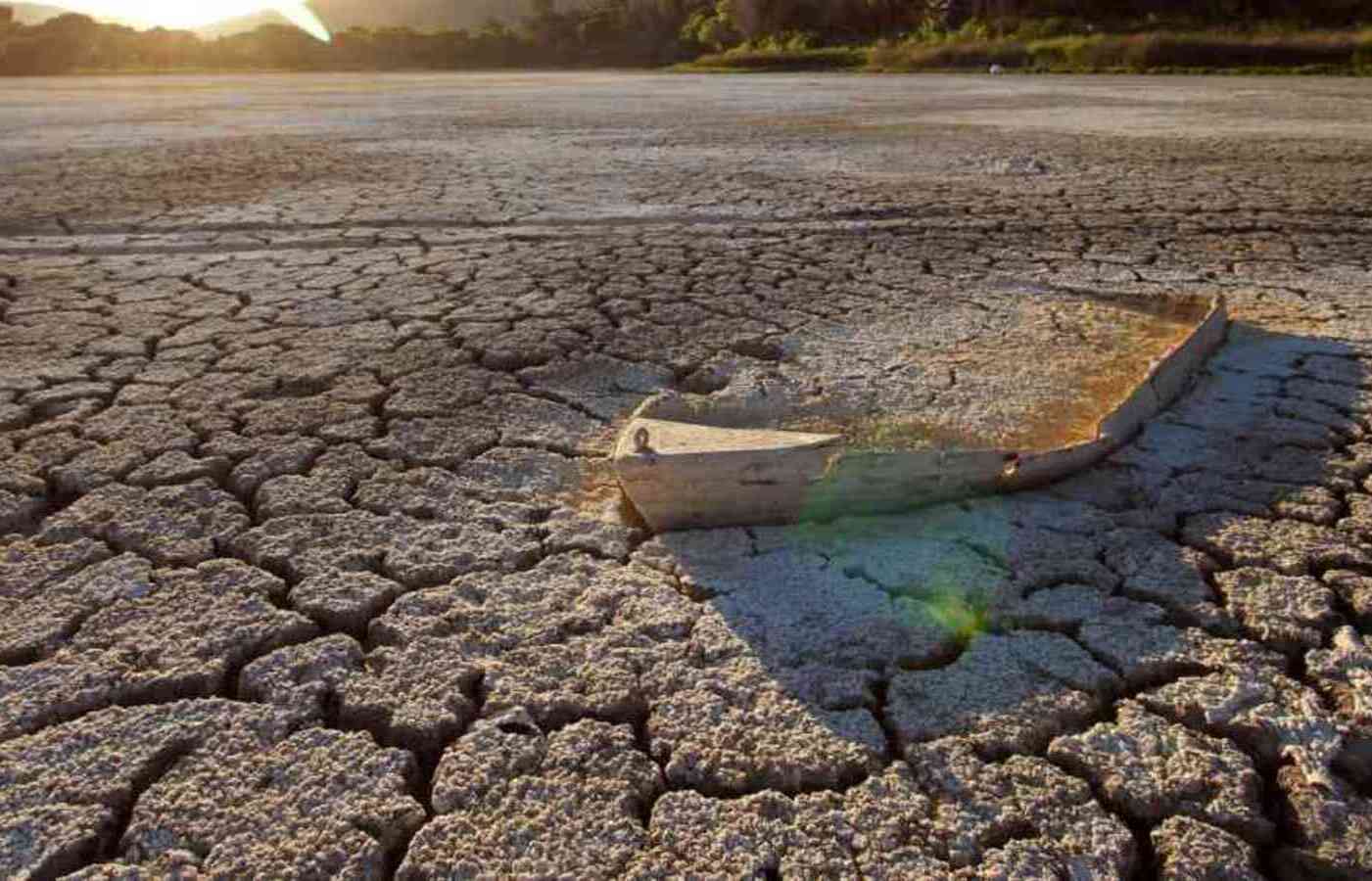
Ethiopia’s ambition is vast. Its updated Nationally Determined Contribution implementation plan estimates that meeting its climate goals will require 316 billion US dollars by 2030. The government says it will cover 20 percent from domestic sources, with the remaining 80 percent dependent on international support. The plan aims to align climate action with national development priorities, budgeting processes and sectoral strategies.
The figure captures both ambition and vulnerability. Ethiopia’s climate plan depends heavily on external finance at a time when donor priorities are shifting, humanitarian budgets are under pressure, and the country is also trying to stabilise its economy after years of conflict, inflation, foreign-exchange shortages and debt stress.
In July 2025, the International Monetary Fund approved the third review of Ethiopia’s 3.4 billion US dollars programme, unlocking 262.3 million US dollars in financing. The same review came as Ethiopia continued debt restructuring talks with official creditors and bondholders. Reuters reported that the official creditor deal aimed to restructure 8.4 billion US dollars in debt and provide 2.5 billion US dollars in debt-service relief through 2028. Ethiopia has been in default since December 2023.
That macroeconomic background matters. Ethiopia’s pledge to finance 20 percent of its climate plan domestically is not merely a policy choice. It must be met in a country with constrained fiscal space, high development needs, post-conflict recovery pressures and a still-fragile private sector. Climate finance, in other words, is not separate from the economy. It is trapped inside it.
The international picture is also complicated. Developed countries first promised in 2009 to mobilise 100 billion US dollars a year in climate finance for developing countries by 2020, a target later reaffirmed under the Paris Agreement. The OECD says that goal was finally met in 2022, reaching 115.9 billion US dollars — two years late.
For vulnerable countries, the delay was not a technical failure. It was a breach of trust. Even when money arrives, it often comes with difficult conditions, complex documentation requirements and long approval processes. Much of global climate finance has also favoured mitigation projects that can generate revenue, rather than adaptation projects that protect people from drought, floods and crop failure.
Ethiopia’s case is slightly different from the global pattern. A 2026 Climate Policy Initiative assessment found that adaptation accounted for 59 percent of tracked climate finance in Ethiopia in 2022/23, or about 1.4 billion US dollars a year. But that was still far below the estimated four billion US dollars annual adaptation need. The same assessment found that 93 percent of tracked flows came from international public sources, while private actors contributed only 113 million US dollars a year, less than five percent of total flows.
That gap is central to the country’s climate challenge. Ethiopia is receiving climate finance, but not nearly enough. It is receiving adaptation finance, but not at the scale required. It wants private capital, but its shallow capital markets, currency risks and regulatory uncertainty continue to hold investors back.
The country is not starting from zero. Ethiopia launched its Climate Resilient Green Economy strategy more than a decade ago, positioning itself as an early African advocate of low-carbon development. The Ministry of Finance, together with the then environment authority, established the CRGE Facility in late 2012 and operationalised it in early 2013 as a national climate fund. Its mandate includes mobilising climate finance, supporting greenhouse-gas reduction and resilience projects, coordinating partners, engaging the private sector, tracking climate finance and strengthening monitoring, reporting and verification.
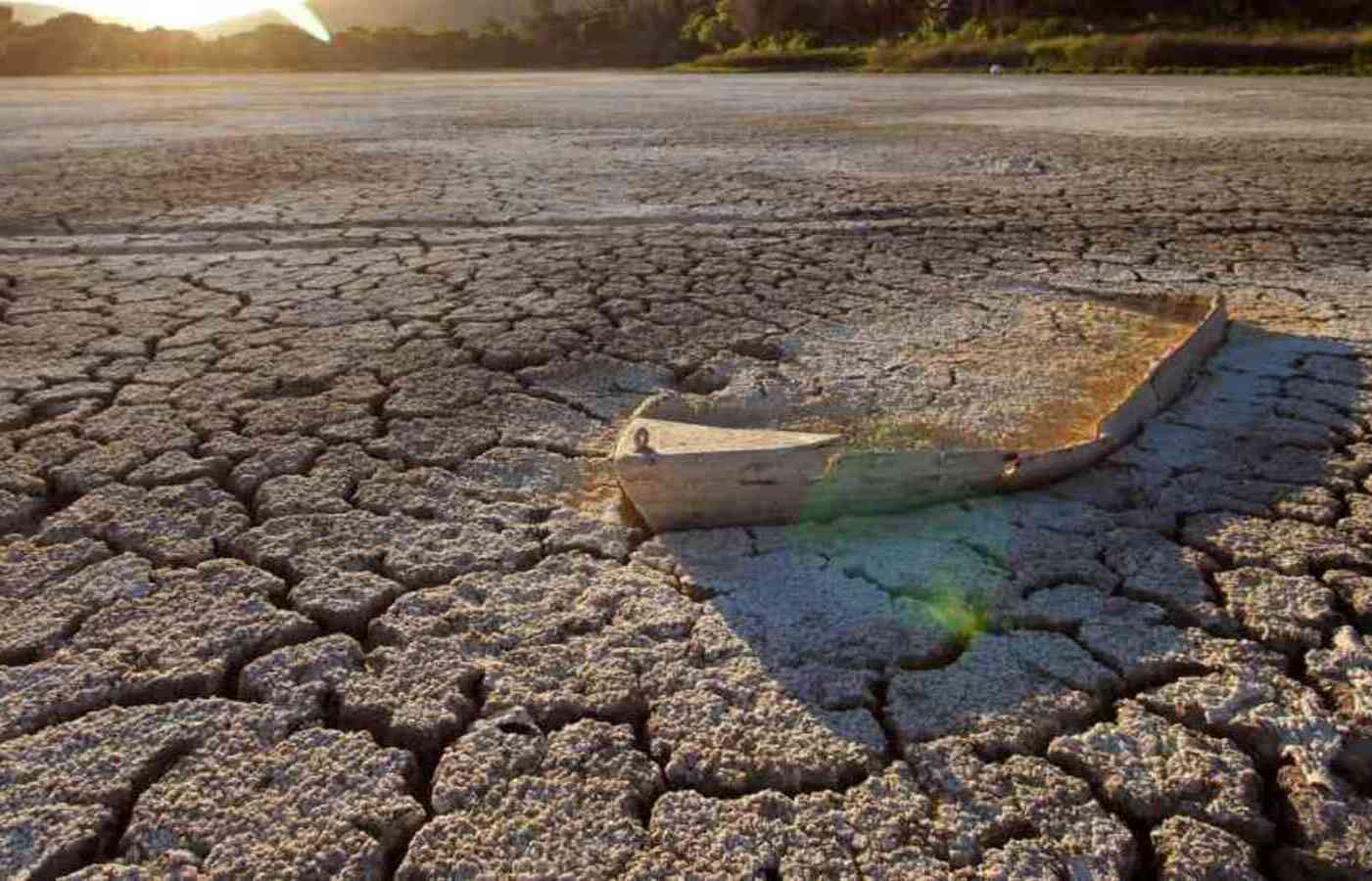
On paper, this is precisely the type of architecture Ethiopia needs. In practice, implementation has been uneven. A PEFA assessment of Ethiopia’s climate-responsive public financial management found that the country’s climate-related public finance system remained “basic” and not yet aligned with international standards. It also found that climate-related project-selection procedures were not yet clearly defined, coordination remained weak, and government reports did not clearly identify and track climate-related expenditure.
A UNDP working paper reached a similar conclusion, pointing to fragmentation across ministries and a shortage of institutional and legal expertise in climate finance planning, implementation and reporting. It also noted limited awareness of green bonds, carbon credits and blended-finance tools compared with countries such as Ghana, Kenya and South Africa.
This is the institutional gap that experts inside Ethiopia keep returning to.
Legesse Negash, a professor of plant science and climate researcher at Addis Ababa University, says the problem is not only the volume of finance. It is the absence of a coherent institutional centre capable of linking climate finance with Ethiopia’s broader economic transformation.
“What is required is a paradigm shift,” he says. “We need an independent institution with a mandate structured around a circular economy, one that integrates climate finance with the nation’s broader economic trajectory. Currently, our policy framework is a mosaic of disconnected pieces, not a unified strategy.”
His criticism is not a rejection of national ambition. Ethiopia’s Green Legacy Initiative has given the country international visibility and helped frame it as a green-transition leader. But tree planting is not the same as ecosystem restoration. The harder questions are about seedling survival, species selection, watershed recovery, soil health, biodiversity and community ownership.
Legesse argues that Ethiopia must move beyond counting seedlings and toward measuring ecological results. Indigenous flora, he says, should be central to that shift. Juniper, wild olive and other native species are not symbolic. They stabilise soil, protect watersheds, regulate ecosystems and support biodiversity.
“The solution lies in the primacy of our indigenous flora,” he says. “These species possess the intrinsic capacity to regulate entire ecosystems. We need a research agenda that generates verifiable, tangible outcomes, managed by professionals who can evaluate that data and adapt accordingly.”
The argument is about more than trees. It is about the difference between campaigns and systems. Ethiopia has often shown an ability to mobilise people quickly around environmental action. What it has struggled to build is durable institutional memory: the data, financing, technical capacity and accountability systems that survive beyond a single campaign, project or emergency.
The desert locust invasion of 2020 and 2021 showed the cost of that weakness. The swarms were among the worst the Horn of Africa had seen in generations, destroying pasture and crops across countries already strained by drought, conflict and food insecurity. Solomon Adisu, a geographer specialising in environmental risk, says the invasion exposed a deeper failure of preparedness.
“A single swarm of 80 million locusts can consume the daily food requirement for 35,000 people and travel 160 kilometres in a day, decimating cropland and pasture,” he says. “The response was inherently reactive, mobilised after the devastation was underway. This shows the absence of a climate audit system — a mechanism for early warning and pre-emptive action.”
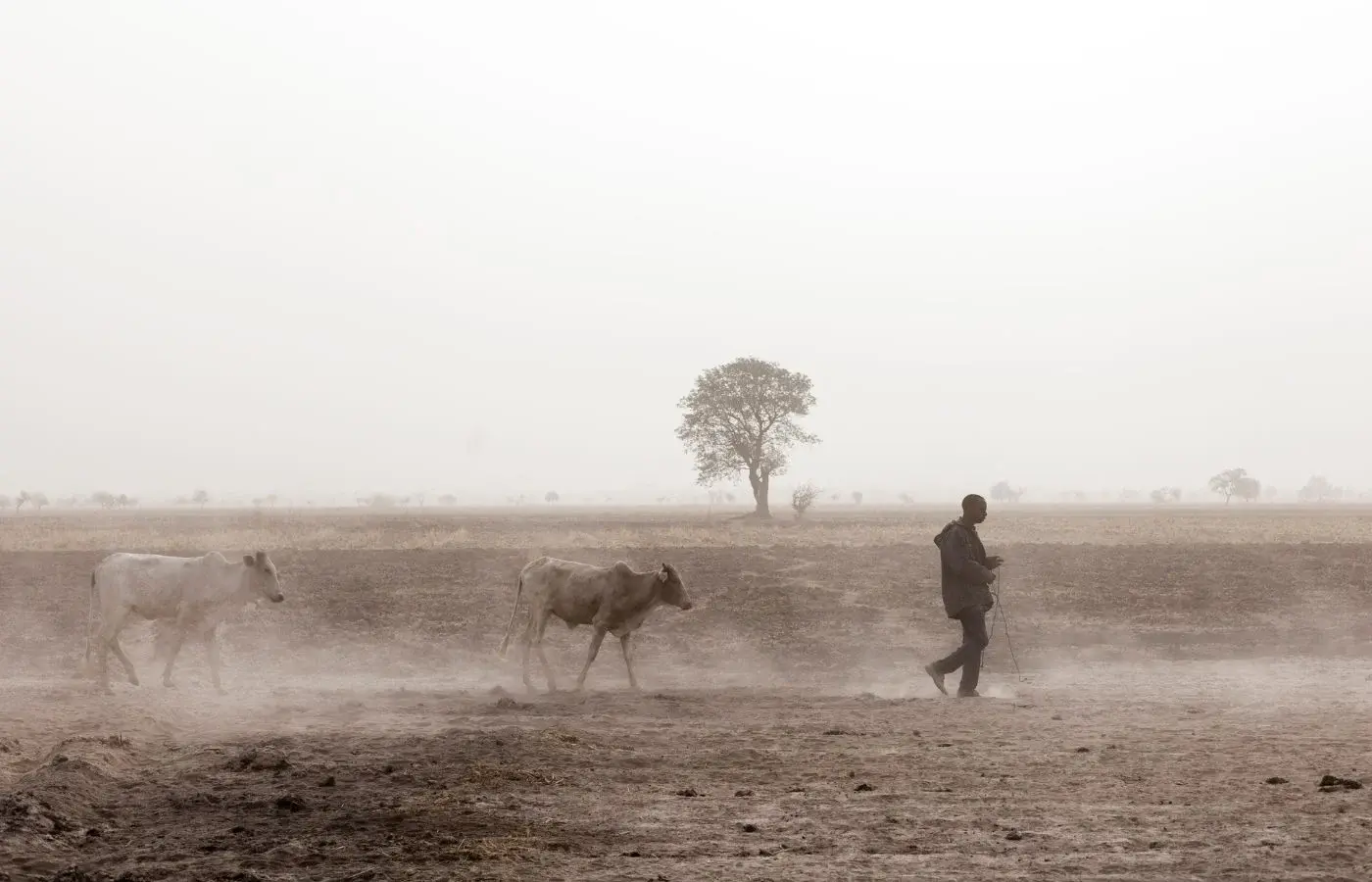
The lesson is clear. Ethiopia needs finance not only for visible infrastructure, but also for the systems that prevent loss: surveillance, early warning, local response teams, safer pest-control methods, climate-risk mapping, water governance, veterinary services, fodder reserves, drought-indexed insurance and fast-disbursing contingency funds.
For pastoralists, the timing of money matters as much as the amount. Finance that arrives after cattle have died is humanitarian relief. Finance that arrives before the herd collapses is resilience.
That distinction is becoming more urgent as Ethiopia’s humanitarian crisis remains severe. The European Commission’s humanitarian office says the latest official figures, from 2024, showed 21.4 million people in need of humanitarian assistance in Ethiopia, including 15.8 million in need of food assistance. It also notes that recurrent droughts and floods are contributing to food and nutritional insecurity and loss of income opportunities.
This is where climate finance and humanitarian finance overlap. Ethiopia’s drought-prone areas do not need endless cycles of emergency response. They need anticipatory systems that release money before the shock becomes a catastrophe. They need adaptation finance that reaches districts, cooperatives, pastoral institutions and households, not only national strategies and donor reports.
Temesgen Hassan, a climate researcher, says dependence on external support has created a structural vulnerability.
“Dependence on subsidies has created a structural vulnerability,” he says. “The country lacks the mechanisms to generate and manage finance internally. We need a sophisticated financial architecture that can integrate vertical funds, bilateral agreements and private capital with national priorities.”
That architecture is beginning to emerge, but slowly. In 2025, the European Investment Bank announced partnerships with Zemen, Dashen and Hibret banks as part of its Greening Financial Systems programme. The programme, coordinated with the National Bank of Ethiopia, includes work on a national green taxonomy to guide sustainable investment and help the financial sector manage climate-related risks.
Ethiopia’s emerging capital market could also become part of the solution. A scoping study on green finance instruments found that thematic bonds, sustainability-linked bonds, blue bonds, national green or climate funds, and impact bonds could be feasible instruments. But it also warned that Ethiopia’s capital market remains young and has limited current capacity to support complex green financial products. Stronger data, regulation, risk mitigation and investor confidence are needed.
This is the central finance dilemma. Ethiopia needs grants for adaptation and loss and damage. It needs concessional money for public goods. It needs private capital for commercially viable green investments. And it needs domestic institutions capable of sorting which instrument fits which problem.
A solar project, a green industrial park or an electric-mobility corridor may attract investors if the revenue model is clear. A rehabilitated rangeland, a restored watershed or a pastoralist insurance scheme may save lives but struggle to generate returns. Treating both as the same type of “climate project” is one reason finance fails to reach the people most exposed.
Loss and damage adds another layer. The fund for responding to loss and damage was operationalised at COP28 to support vulnerable developing countries facing economic and non-economic harm from climate change, including extreme weather and slow-onset events.
For Girmaa, loss and damage is not a negotiation phrase. It is seven dead cattle. The policy question is whether such losses can ever be recognised in a way that is timely, fair and practical. Would support come as cash, restocking, insurance, water infrastructure, livelihood transition or relocation assistance? Who verifies the loss? Who receives the money — the state, the region, the community or the household? These are the questions that will determine whether loss and damage becomes meaningful or remains another promise trapped in bureaucracy.
The regional dimension is equally important. Drought, locusts, animal disease, livestock markets and pastoral mobility do not stop at Ethiopia’s borders. Borena’s ecology and economy are tied to wider dryland systems across the Horn of Africa, including northern Kenya and Somalia. Studies of Borana pastoralists in the region show that repeated droughts have shortened recovery periods, reduced herd-rebuilding capacity and forced households to sell animals at low prices or travel farther to markets.
That makes climate resilience a regional project. Ethiopia cannot build it alone. It requires cross-border early warning, livestock-market coordination, disease surveillance, conflict-sensitive rangeland management and stronger regional institutions. The Horn of Africa’s climate shocks are transboundary. The response must be, too.
The government says it recognises the scale of the challenge. Planning and Development Minister Fitsum Assefa has defended Ethiopia’s climate-finance direction, saying the country is aggressively pursuing its 2030 goals through a blend of domestic and international resources. The official NDC implementation plan confirms the government’s 20 percent domestic and 80 percent international financing structure.
Her argument rests on a moral fact few dispute: countries on the front line of climate change are being asked to manage a crisis created largely elsewhere. But moral authority alone will not be enough. Ethiopia must show that every dollar it receives can be translated into measurable resilience.
That test will become more visible with COP32. In November 2025, the African Union congratulated Ethiopia on winning the bid to host the 32nd UN climate conference in Addis Ababa, calling it recognition of the country’s climate leadership and sustainable-development agenda.
Hosting COP32 gives Ethiopia a rare diplomatic platform. It can press for grant-based adaptation finance, faster disbursement, debt-sensitive climate support, stronger regional early-warning systems and a more practical loss-and-damage mechanism. It can also argue that climate finance should not be treated as charity, but as partial repayment for a crisis driven by unequal historical emissions.
But hosting also raises the bar at home. Ethiopia cannot credibly demand a more coherent global climate-finance system while leaving its own systems fragmented or opaque. It will need to show that climate money can be traced from pledge to project, from project to district, and from district to household resilience.
For pastoralists, that means finance must move closer to the ground. It should support water harvesting, veterinary services, fodder banks, drought-resistant livelihoods, mobile financial services, local markets and insurance that pays out before families are forced to sell their last animals. It should strengthen customary institutions that already manage grazing, water access and conflict resolution. It should also recognise that adaptation is not only about infrastructure. It is about protecting dignity, mobility and choice.
For farmers, it means climate-smart extension services, soil restoration, irrigation, weather information and finance that does not trap them in debt after a failed season. For urban communities, it means drainage, waste management, clean transport and housing able to withstand heat and extreme rainfall. For the state, it means treating climate risk not as an environmental sidebar, but as a core economic threat.
Ethiopia’s choice is not between blaming the world and fixing itself. Both are necessary. The global climate-finance system remains too slow, too small and too difficult for vulnerable countries to access. Developed countries met the 100 billion US dollars goal late, and future needs are far larger. But Ethiopia’s ability to make the strongest case internationally will depend on the credibility of its domestic delivery.
Girmaa Wako does not speak in the language of NDCs, blended finance, green taxonomies or loss-and-damage windows. His ledger is simpler. Seven cattle lost. Less milk at home. Less income in the market. Less security for his family.
The distance between his losses and the conference halls where climate finance is negotiated is the distance Ethiopia must now close.
If COP32 is to mean anything beyond diplomacy, it must begin there — in the drylands where climate change is already consuming wealth, and in the institutions that must prove they can turn promises into protection before the next drought arrives.




