

By Rozina Molla
Ethiopia’s parliament has passed amendments to its fuel trading regulations, imposing strict penalties and operational requirements to curb illegal practices and improve transparency in the petroleum sector.
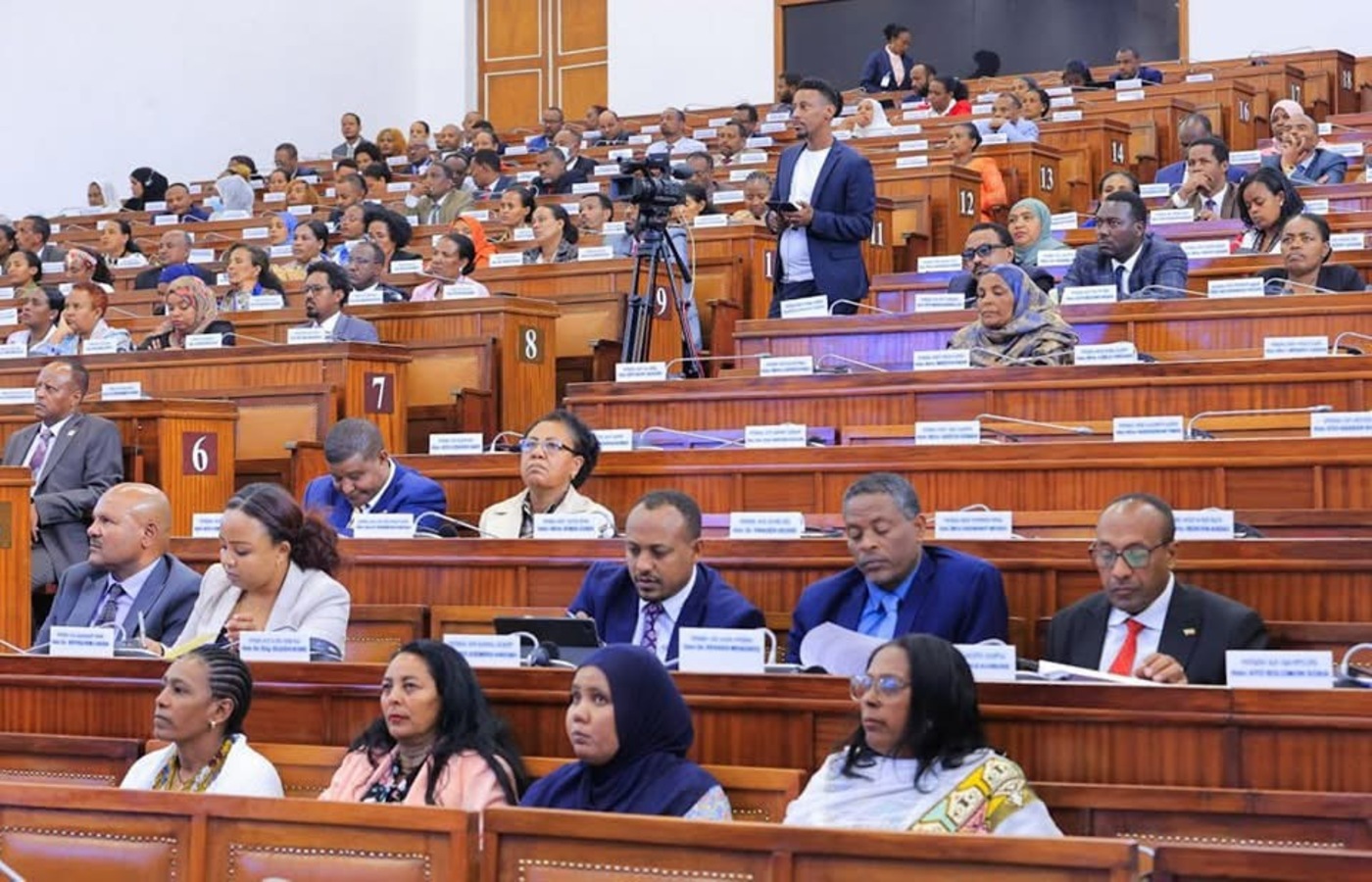
The legislation - passed with a majority vote, two votes against, and one abstention - includes measures to combat black-market trading, enforce tighter deadlines for new oil facility construction, and enhance monitoring across the supply chain.
Under the amended law, violations such as hoarding or price manipulation are punishable by rigorous imprisonment of three to five years and fines ranging from 350,000 to 500,000 birr.
“Illegal activities in the sector have hurt both the economy and consumers,” said Saharla Abdullahi, Director General of the Petroleum and Energy Authority. “These penalties will ensure accountability and discourage malpractice.”

The legislation mandates that oil facilities must be constructed and operational within one year and six months of obtaining a construction permit. Permits will be revoked if the deadline is not met, tightening oversight of new entrants.
“This requirement ensures only committed operators are allowed into the market,” Saharla added.
The amendments aim to tackle black-market fuel trading, which has caused prices in some regions, such as Bahir Dar, to soar to 600 birr per liter. In cities like Hawassa, it costs high as 200 birr a litre.
“Some petrol stations deliberately withhold fuel to sell it illegally at inflated prices,” said Saharla during a parliamentary session. “This practice is unacceptable and has burdened ordinary citizens.”
Saharla confirmed these concerns, adding, “We will intensify monitoring of fuel distribution and hold violators accountable for disrupting the supply chain.”
The amended law requires GPS tracking on fuel transport vehicles and surveillance systems at petrol stations to enhance transparency. It also stipulates that federal approval is needed for the construction of new petrol stations, addressing concerns about unregulated expansion.

“This reform addresses inefficiencies and brings Ethiopia’s fuel sector in line with international standards,” said Aisha Yahya, Chairperson of the Standing Committee on Trade and Tourism Affairs.
While the government expects the new rules to curb illegal trading and stabilize the market, industry observers warn that smaller operators may face challenges in meeting the stricter requirements.
Ethiopia, which views fuel as a strategic resource, has long struggled with inefficiencies in its supply chain.




