

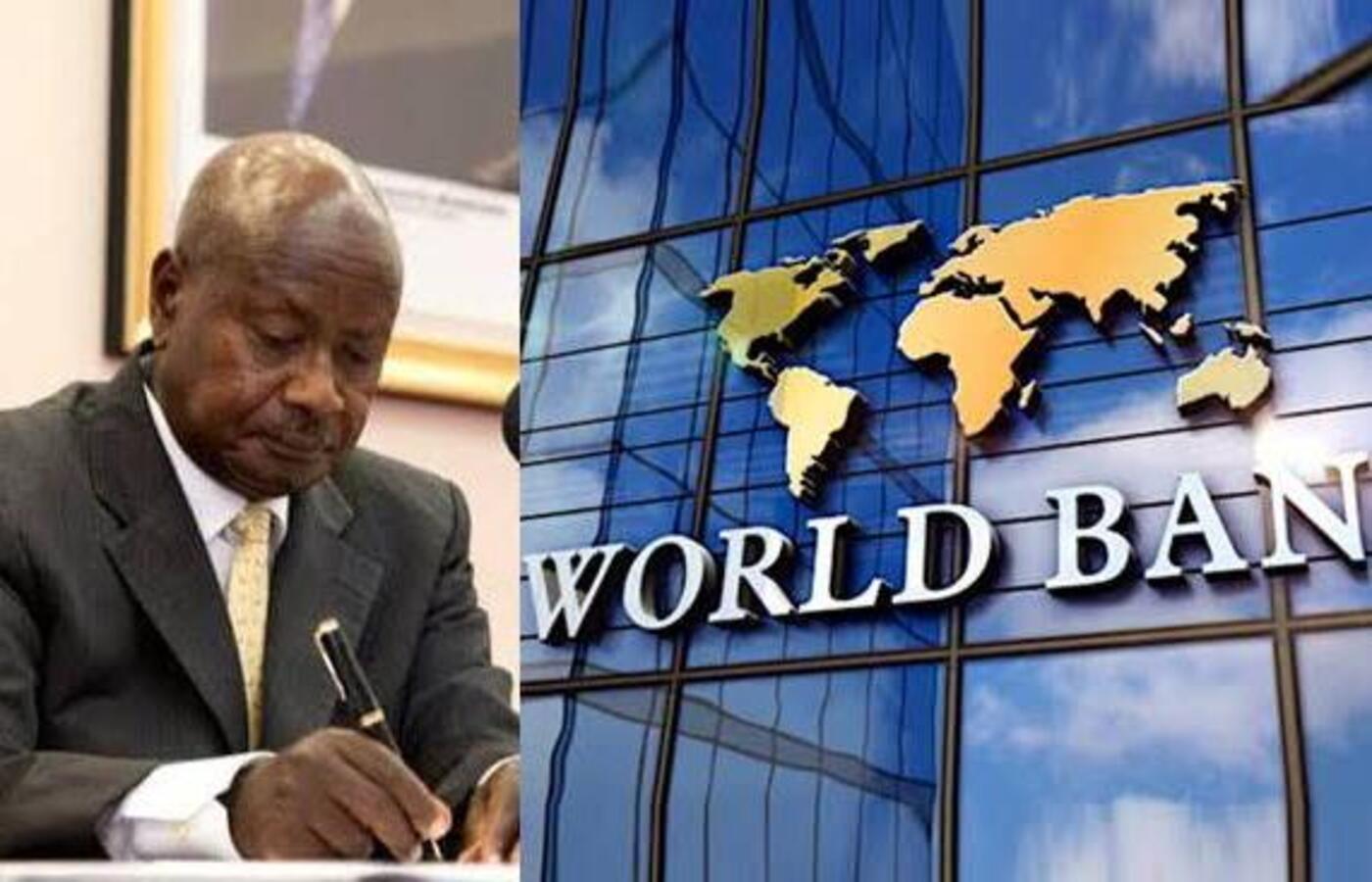
The World Bank has lifted a nearly two-year suspension on new lending to Uganda, despite the East African nation maintaining one of the world’s most punitive laws targeting the LGBT community.
The decision marks a pragmatic recalibration by the development lender, balancing its human rights stance with development imperatives in one of Africa’s fastest-growing yet most aid-dependent economies.
The multilateral lender froze new project financing to Kampala in August 2023, following the enactment of the Anti-Homosexuality Act (AHA), a controversial law that mandates life imprisonment—and in some cases, the death penalty—for same-sex acts classified as “aggravated homosexuality.”
At the time, the World Bank said the legislation was incompatible with its commitment to inclusion and non-discrimination, adding that it undermined efforts to create an enabling environment for development.
The World Bank is Uganda’s largest external financier, disbursing billions of dollars in concessional loans and grants over the years, particularly in infrastructure, energy, and health.
The suspension did not affect ongoing projects but halted the approval of any new initiatives, placing pressure on Kampala amid tight fiscal constraints and rising public debt.
Uganda’s government, led by President Yoweri Museveni—one of Africa’s longest-serving leaders—has stood firm on the legislation, framing it as a defence of national values against perceived Western cultural imposition.
The law, first signed in May 2023, drew widespread condemnation from Western donors, civil society groups, and human rights advocates, who warned of a chilling effect on civil liberties and a spike in violence against sexual minorities.




