

The United Nations has called on the United States and Iran to return to negotiations, warning that continued tensions risk wider instability in the Middle East and disruption to global energy markets.
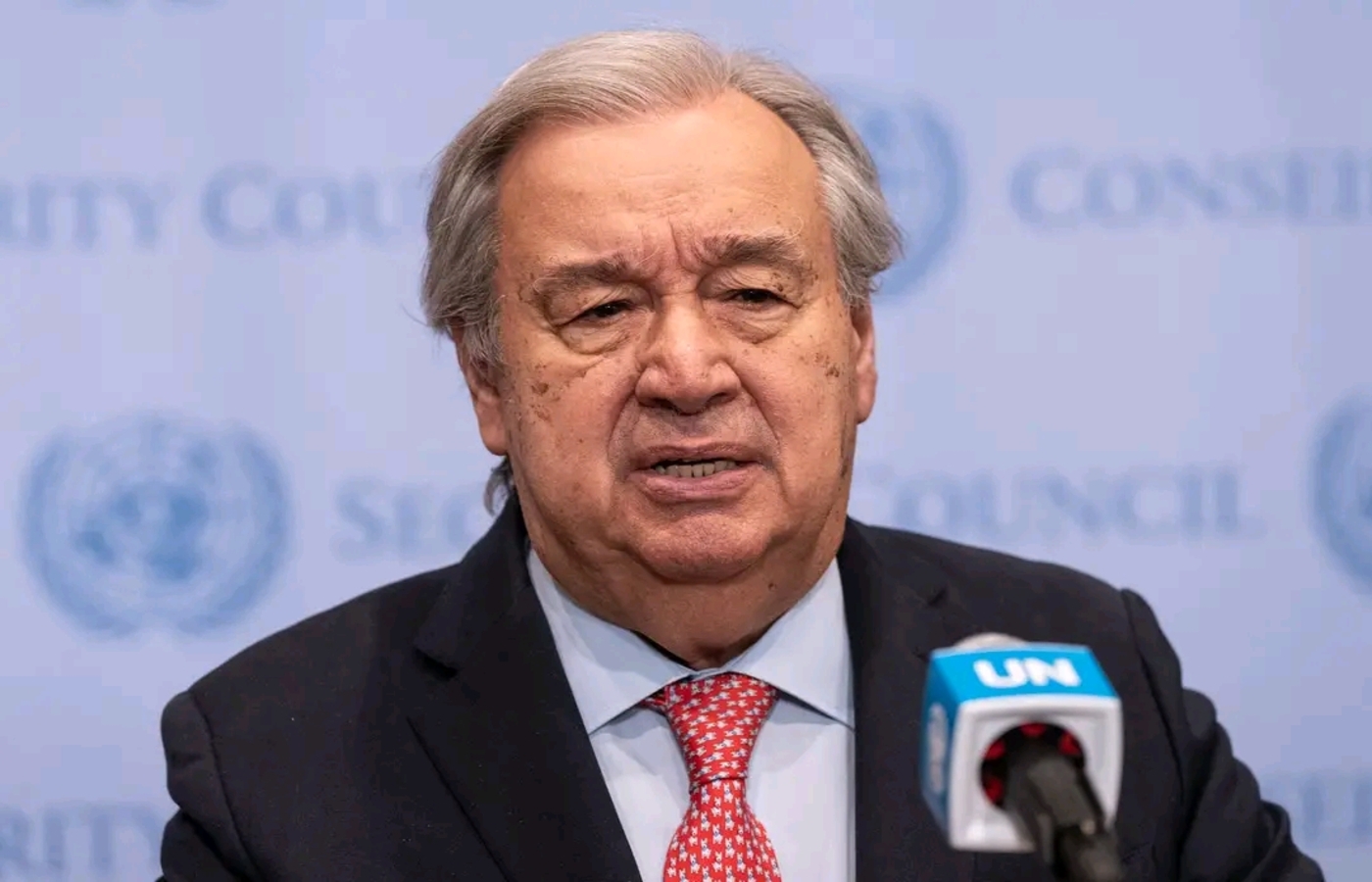
UN Secretary-General António Guterres said the escalating standoff between the two countries could deepen into a broader crisis, stressing that recent weeks of conflict in the region have demonstrated the limits of military approaches.
“The reality we have learned after weeks of destruction and suffering is that there is no military solution to the complex challenges in the Middle East,” Guterres said in a message urging renewed diplomacy.
The appeal comes amid heightened concern over maritime security in the Strait of Hormuz, a key transit route for global oil and gas shipments. Any disruption to traffic through the waterway could have significant implications for global supply chains and energy prices.
International institutions, including the International Monetary Fund, the International Energy Agency and the World Bank, have also called on governments to avoid measures that restrict energy flows or exports, warning such steps could amplify global economic imbalances.
Kristalina Georgieva, head of the IMF, said restrictions on energy trade would disproportionately affect developing economies already exposed to external shocks.
Fatih Birol separately urged uninterrupted movement of oil supplies, underscoring the importance of stable energy markets for global economic stability.
The statements were issued as benchmark oil prices briefly exceeded 100 US dollars a barrel, while analysts estimate that close to one-fifth of global oil and liquefied natural gas flows pass through routes now considered vulnerable to disruption.
The UN has reiterated its call for both Washington and Tehran to resume dialogue without preconditions, saying renewed negotiations remain the only viable path to de-escalation.




