

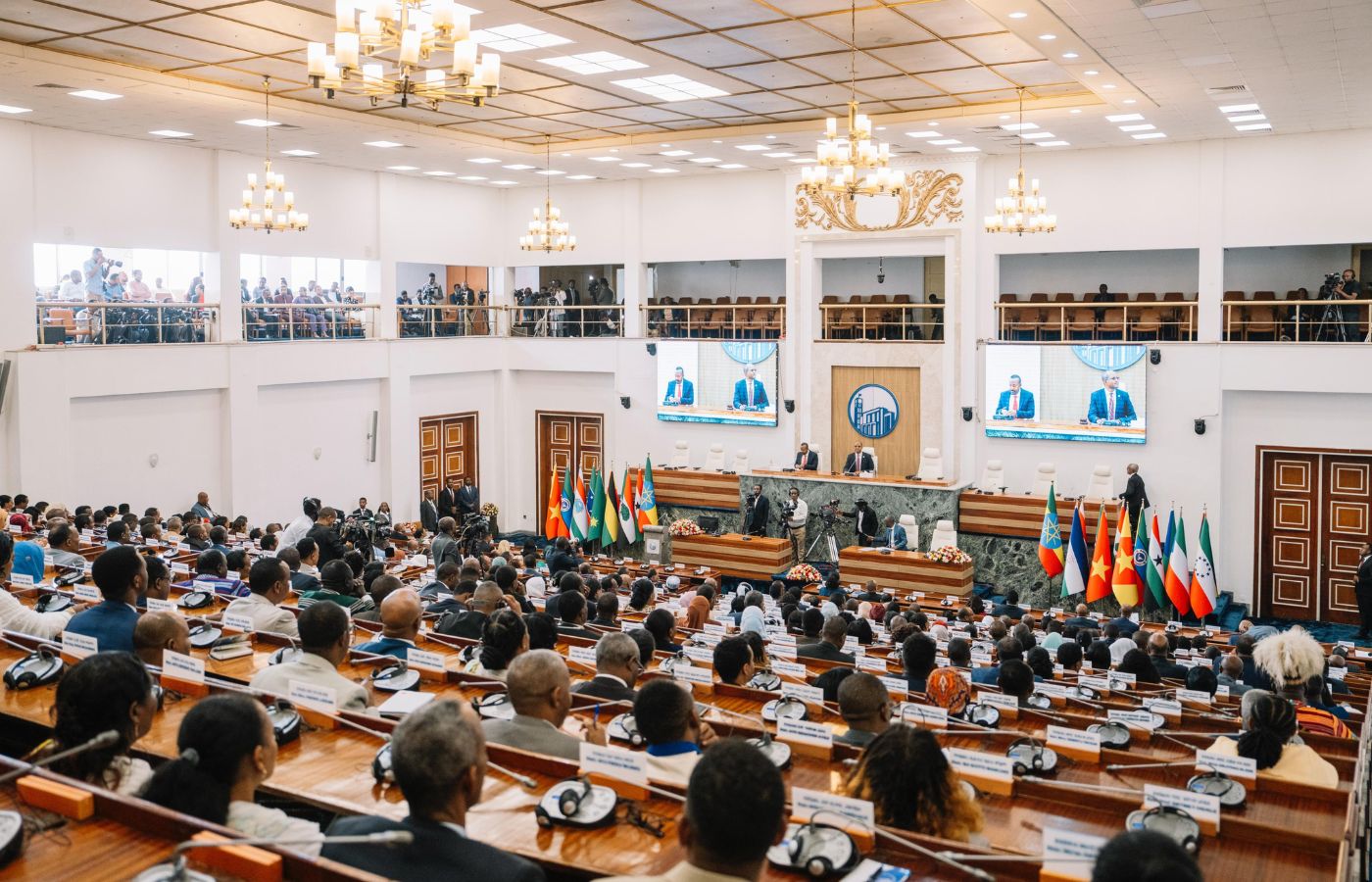
Defending his government’s record, Prime Minister Abiy Ahmed told parliament that inflation is falling and the economy is stronger than ever — even as lawmakers pressed him on war talk, rebel violence and the growing cost of his regional ambitions.
Appearing before the House of People’s Representatives on Tuesday, Abiy delivered a sweeping defence of his administration’s economic reform programme, portraying Ethiopia as a country that has turned the corner after years of crisis. But the tone in the chamber was less celebratory than the prime minister’s speech — with MPs voicing frustration over insecurity, inflation fatigue and the government’s preoccupation with access to the Red Sea.
Abiy said his government had spent 440 billion birr in subsidies to “stabilise inflation,” which he said had fallen to 11.7 percent — the lowest level since his reform agenda began. The bulk of that spending, he said, went to fuel, fertiliser and public sector salaries. “We have used every possible instrument to ease the cost of living,” he told lawmakers, crediting school feeding programmes and monetary tightening for the slowdown in price rises.
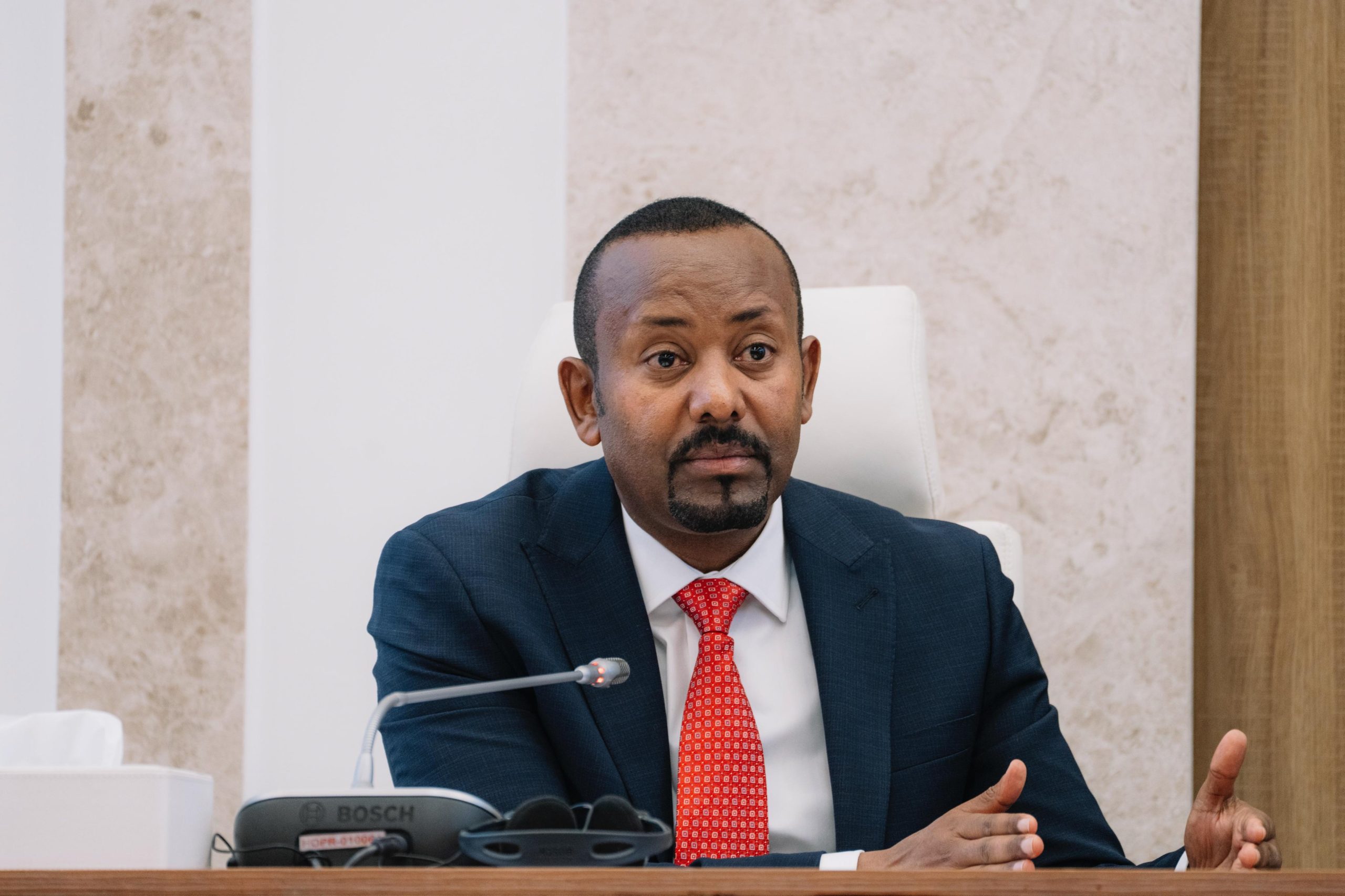
He went on to hail what he called the “success” of the Homegrown Economic Reform, launched in 2019 to repair macroeconomic imbalances and modernise the economy. According to Abiy, Ethiopia’s revenue, which stood at 170 billion birr when the reform began, is projected to reach 1 trillion birr this year. He also claimed the country had “no problem paying its debt”, saying Ethiopia’s total external obligations — around $23 billion — were now “manageable” after successful rescheduling of up to $4.5 billion.
“The economy is growing without foreign loans,” he declared. “We have built a system that stands on Ethiopia’s own capacity.”
Shifting narrative
The prime minister’s tone marked a deliberate shift from past sessions dominated by security briefings and political tension. He spoke at length about investment, exports, and what he described as the “multi-sectoral transformation” of Ethiopia’s growth model. “We have moved from agriculture-led development to an approach driven by agriculture, industry, mining, tourism and technology,” he said, adding that productivity gains in all five sectors had “changed the country’s future”.
To illustrate, he pointed to surging agricultural output: wheat production, he said, had climbed from 47 million to 280 million quintals, while coffee exports had tripled to bring in $2.5 billion last year. He argued that these achievements proved Ethiopia could feed itself and become a regional breadbasket.
Yet critics saw a familiar pattern in Abiy’s address — a broad-brush celebration of economic figures with little detail on how growth is distributed or how rising debt service costs are affecting ordinary households. Inflation may be slowing, analysts note, but food and rent prices remain high, and government wage increases have been partly offset by soaring urban living costs.
Projects and promises
Abiy also showcased an ambitious list of infrastructure projects he said would “define Ethiopia’s future”: a $10 billion airport in Bishoftu set to become Africa’s largest, a Dangote fertiliser plant capable of producing 30 million quintals of urea, and a plan to build 1.5 million homes over six years at an estimated cost of 3 trillion birr.
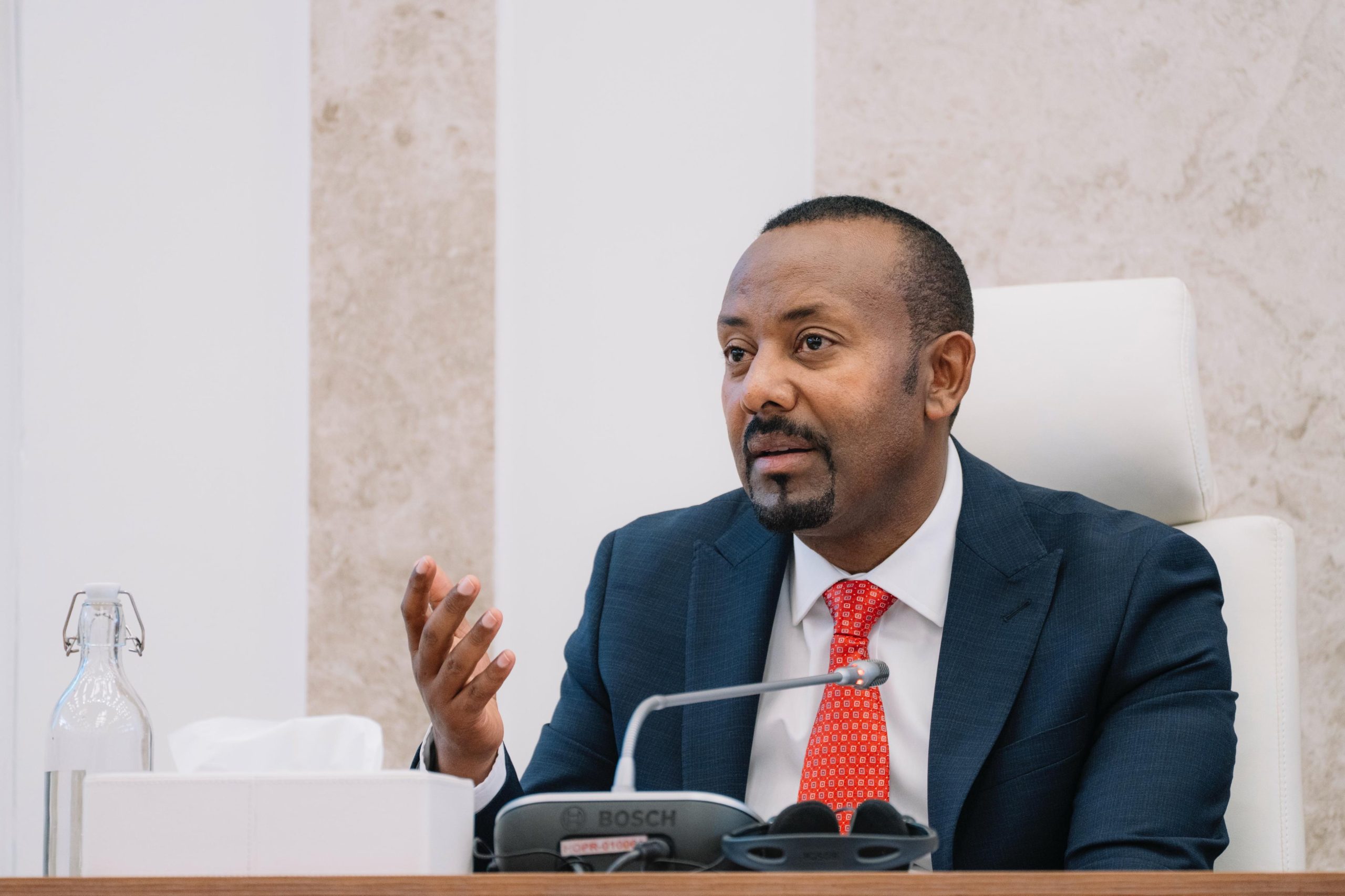 “These are not just projects; they are foundations for the next generation,” he said. “If we succeed, we can determine the future of Ethiopia and the hope of our children.”
But even as he outlined these “game-changers,” Abiy acknowledged chronic weaknesses in project execution. “We do not lack ideas or money,” he said. “Our problem is implementation.” He likened government projects to “children sitting by a fire — they need constant care.”
Political unease
For much of the session, however, MPs steered the discussion back to security. Several demanded an explanation for renewed instability in the Amhara and Oromia regions, where insurgent groups have continued attacks despite repeated government operations. Others questioned whether the administration’s rhetoric about “state monopoly of force” matched the situation on the ground.
The most pointed exchanges came over the Red Sea question — a subject that has dominated Ethiopian politics since Abiy last year described sea access as “existential.” Four MPs raised it directly, including ruling party members who accused Eritrea’s ruling Shaebia movement of “anti-peace” activity and collaboration with the Tigray People’s Liberation Front (TPLF).
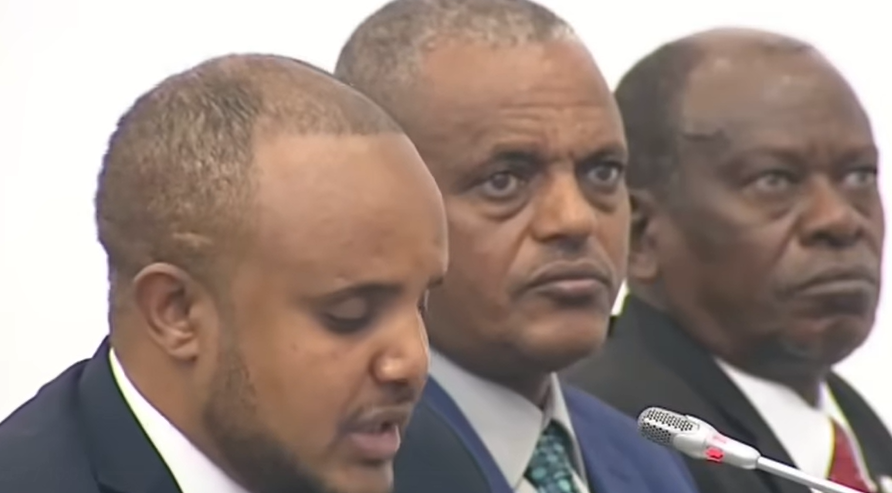
Opposition MP Dessalegn Chane of the National Movement of Amhara warned that the government’s fixation on maritime access risked diverting attention from “severe internal crises.” He said Addis Ababa appeared to be “putting ten pots on the fire without stirring any of them to maturity.”
Abiy did not revisit his earlier statements about the Red Sea during his main address but hinted that “national interests” would continue to guide Ethiopia’s diplomacy. “A country that cannot think big cannot grow,” he said. “We have the right to dream.”
Abiy also insisted that Ethiopia’s reform path was irreversible. “Our macroeconomic foundations are stable,” he said. “Anyone with eyes and ears can see Ethiopia’s change.”




