

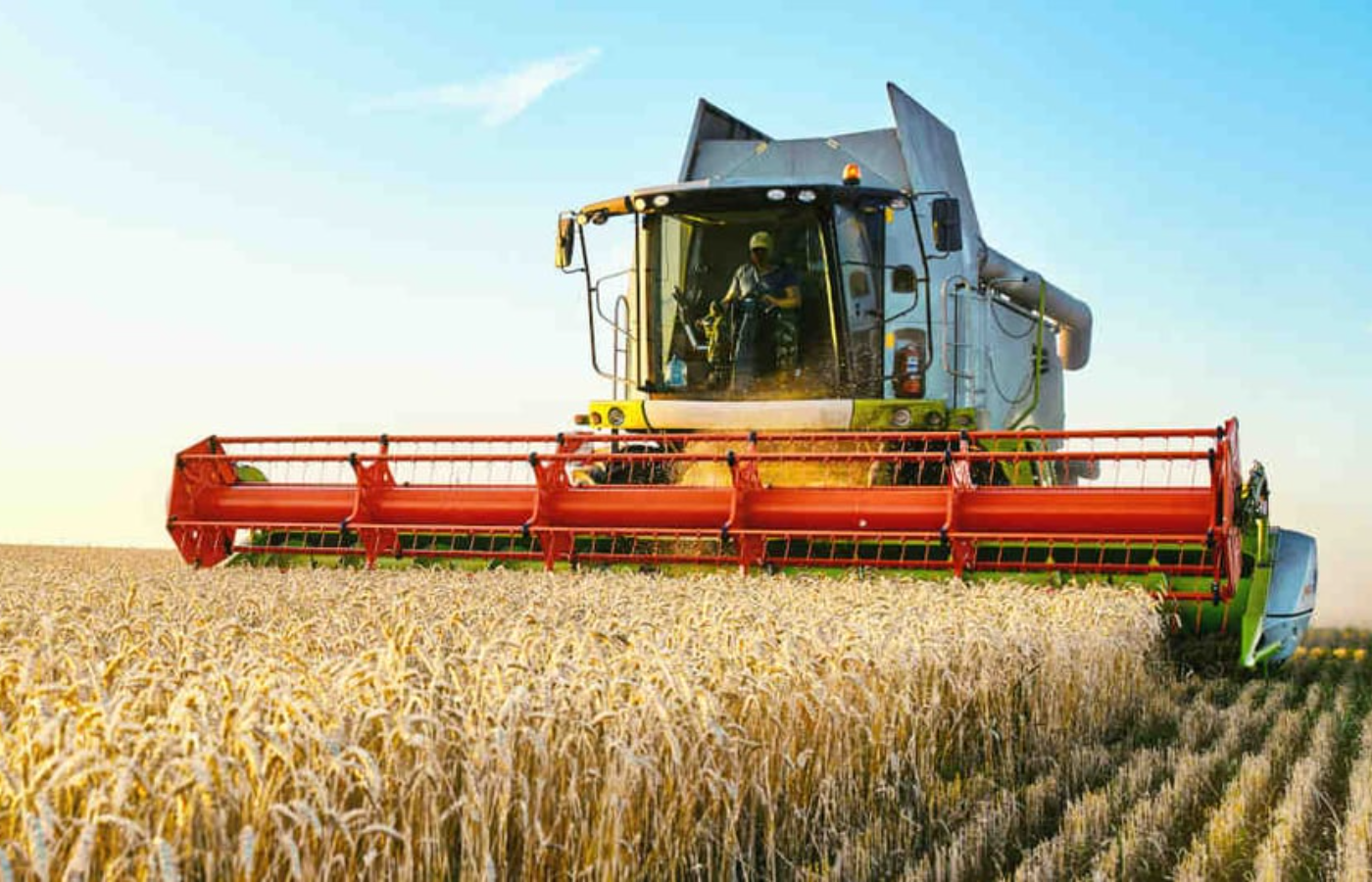
The Ministry of Agriculture announced that Ethiopia’s domestic wheat production has replaced 17 million quintals of imports, saving the country over 700 million US dollars, while plans are underway to expand rice cultivation and reduce reliance on imports.
Newly appointed Minister of Agriculture Addisu Arega said the agricultural sector grew 6.7 percent in 2024/25, exceeding the projected 6.5 percent. Gains were driven by winter and irrigated wheat initiatives under the “Yelemat Tirufat” programme, aimed at strengthening food security.
Agriculture now accounts for half of Ethiopia’s 8.2 billion US dollars in export earnings, with coffee contributing 2.65 billion US dollars from 465,000 tons supplied globally. The sector has also created employment opportunities for millions of young people in rural areas.
Around half of Ethiopia’s arable land remains undeveloped. The Ministry plans to focus on mechanisation, land development, and wider deployment of the Agricultural Commercialisation Cluster (ACC) method. On rice, support will target cultivation in Amhara, Oromia, Gambella, Somali, and Afar regions, signalling a strategic aim to end Ethiopia’s dependence on imports.
Addisu credited the year’s progress to coordinated efforts among sector leaders, experts, farmers, and stakeholders, urging continued collaboration to maintain momentum into 2025/26.




