

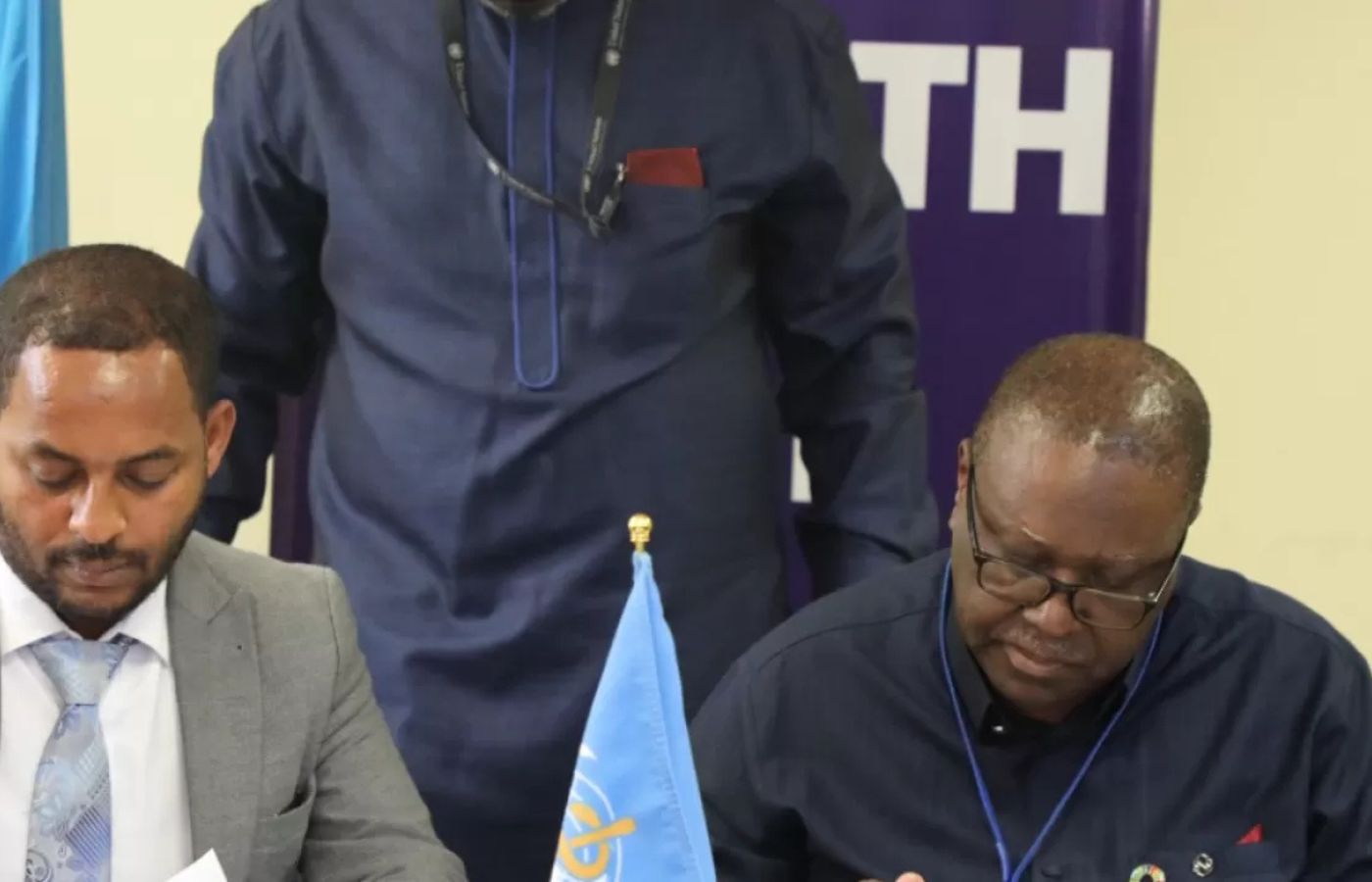
The World Health Organization (WHO) and the University of Gondar have signed a two-year agreement to strengthen health financing research and institutional capacity, in a move aimed at supporting evidence-based reforms as Ethiopia works towards Universal Health Coverage.
The agreement marks the first formal collaboration between WHO and an Ethiopian university dedicated specifically to health financing research. It seeks to strengthen the analytical capacity of the Ministry of Health, its agencies and Regional Health Bureaus while promoting locally generated evidence to guide health financing policies.
The partnership comes as Ethiopia continues efforts to build a more sustainable health financing system amid growing demand for healthcare services, rising non-communicable diseases and increasing fiscal pressures. Health financing reforms have become a central component of the government's strategy to expand access to healthcare while improving efficiency and financial protection.
Under the agreement, WHO and the University of Gondar will collaborate on research, policy dialogue and capacity-building initiatives. The programme will also produce policy briefs, technical reports and peer-reviewed publications intended to support government decision-making on health financing and strategic purchasing.
Professor Francis Chisaka Kasolo, WHO Representative to Ethiopia, the African Union and the United Nations Economic Commission for Africa, described the agreement as an important milestone in strengthening Ethiopia's capacity to generate policy-relevant research.
"The signing of this agreement marks an important milestone in our shared commitment to strengthening national capacity for policy-relevant research, institutional development and evidence-informed decision-making for Ethiopia's health sector," he said.
Kasolo said a recent health financing and economics capacity assessment conducted through the Ministry of Health's FENOT Project identified significant opportunities to strengthen expertise in health economics, health financing analysis, strategic purchasing and evidence-informed planning. He said sustainable health financing reforms require strong national institutions capable of translating research into practical policy solutions.
Representing the Ministry of Health, Muluken Argaw (MD), Lead Executive Officer of the Strategic Affairs Executive Office, said health financing reform remains central to sustaining gains in the health sector and achieving Universal Health Coverage. He said evidence-based policymaking would play a critical role in guiding future financing decisions.
The University of Gondar said the partnership would reinforce its contribution to national health priorities through research, education and innovation. Vice President Dr. Ayinishet Adane said the collaboration would help generate locally relevant evidence to support health financing reforms and strengthen Ethiopia's health system.
The initiative will also support research on emerging health challenges, including the growing burden of non-communicable diseases and the healthcare needs of an ageing population.
The agreement is expected to serve as a foundation for a longer-term institutional relationship under WHO's Collaborating Centers framework, with the objective of strengthening national research institutions and promoting evidence-based health financing policies.




