

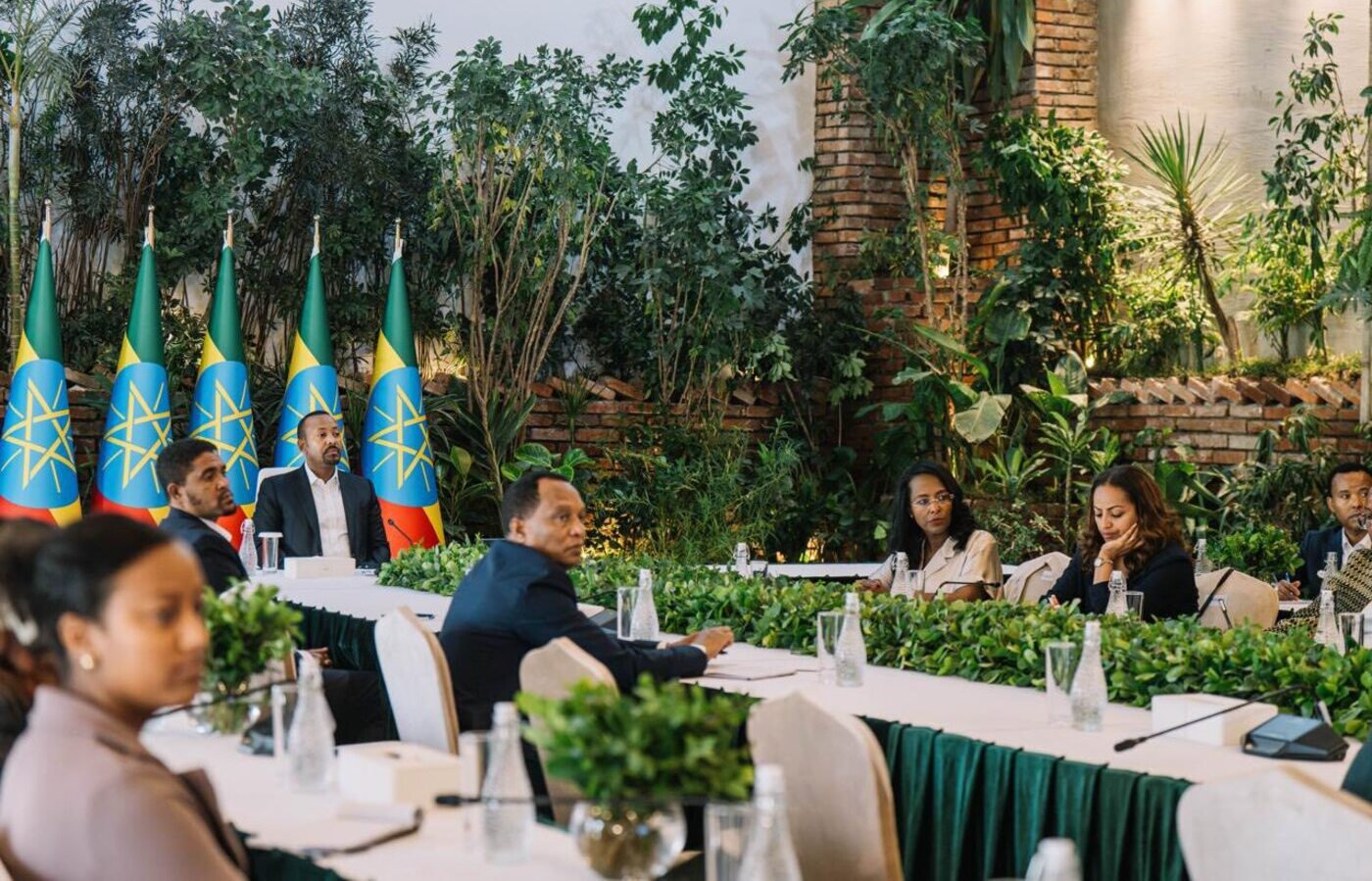
Ethiopia’s selection as host of COP32 has handed the country one of the most visible diplomatic platforms in the world. But the real test will not be whether Addis Ababa can welcome tens of thousands of delegates in November 2027. It will be whether Ethiopia can use the summit to move climate finance from speeches and pledges into bankable projects, budget lines and measurable results.
The United Nations climate process has confirmed that Ethiopia will host COP32, CMP22 and CMA9 from November 8 to 19, 2027, after COP30 accepted the government’s offer. The decision puts Addis Ababa at the centre of global climate diplomacy at a time when developing countries are demanding more predictable finance for adaptation, loss and damage, clean energy and climate-resilient infrastructure.
For Ethiopia, the symbolism is powerful. The country has long presented itself as a low-emitting, climate-vulnerable nation trying to build a green development path through hydropower, reforestation, electric mobility and climate-resilient agriculture. Hosting COP32 gives it a rare chance to frame not only its own story, but also Africa’s wider argument: that the continent is not merely a victim of climate change, but a source of solutions that remains starved of capital.
That opportunity, however, comes with a risk. The early public conversation around COP32 has leaned heavily towards tourism, hospitality and national image-building. Officials have spoken of expanding hotel and guest-room capacity, improving infrastructure and showcasing Ethiopia’s cultural and natural attractions. The scale of the task is enormous. Government-linked reporting says Ethiopia is working to raise hospitality capacity from about 20,000 to 80,000 guest rooms ahead of the summit, while other official briefings have pointed to preparations for between 60,000 and 80,000 participants.
Those preparations matter. A badly organised COP would weaken Ethiopia’s credibility before negotiations even begin. But a well-staged summit is not the same as a successful one. If COP32 becomes mainly a story of hotels, roads, receptions and sightseeing, Ethiopia will have missed the larger prize.
That larger prize is climate finance.
Ethiopia’s climate-finance gap is not theoretical. A 2026 Climate Policy Initiative assessment found that tracked climate finance averaged 2.3 billion US dollars annually in 2022 and 2023, while the country’s estimated annual need under its 2025–2035 NDC stands at 10.6 billion US dollars. In other words, current flows would need to rise at least fourfold to match stated needs. The same assessment found that 93 percent of tracked flows came from international public sources, while private actors contributed only 113 million US dollars annually, less than five percent of total flows.
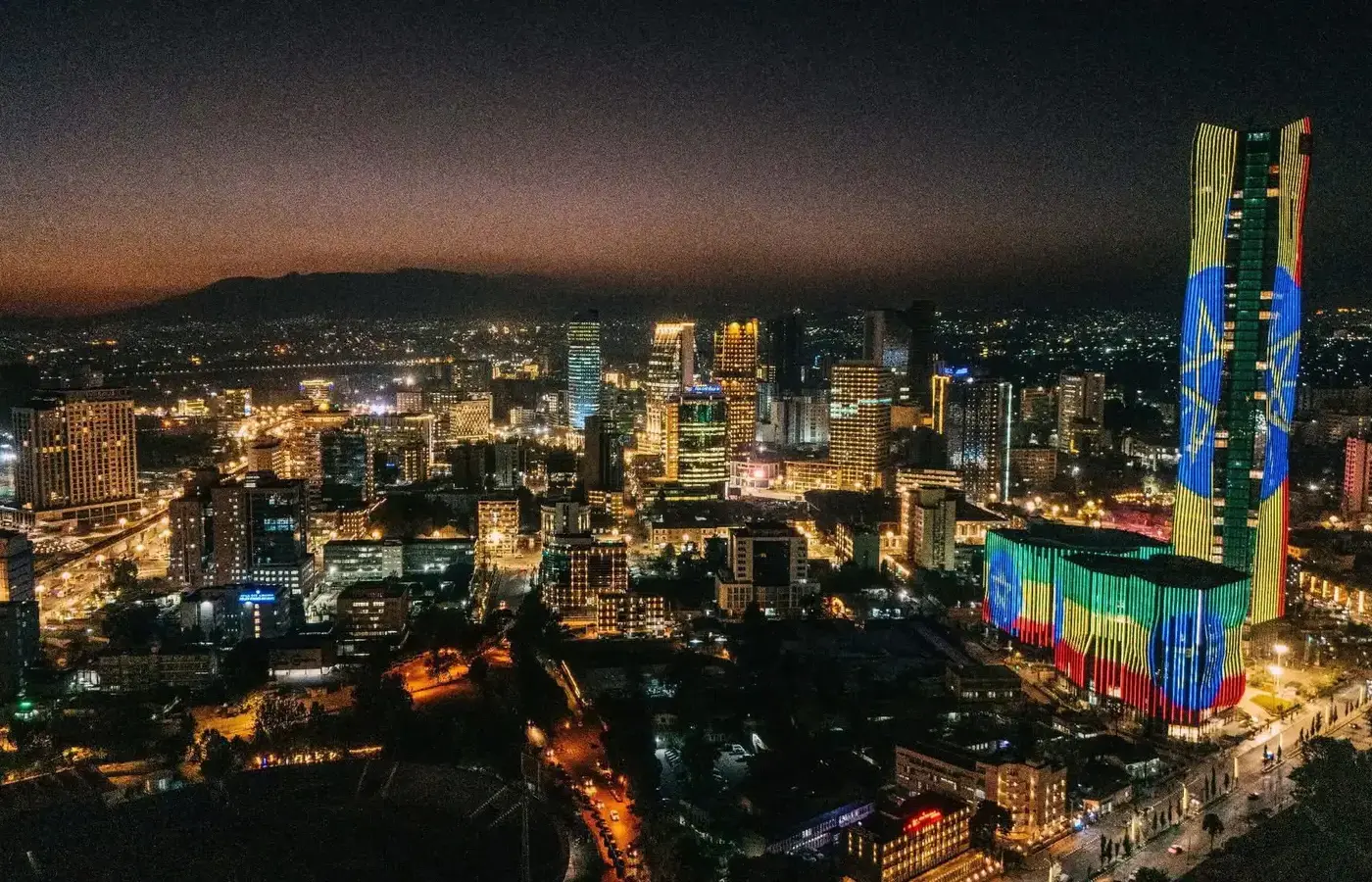
That imbalance goes to the heart of the COP32 challenge. Ethiopia has policy ambition, but ambition does not build irrigation systems, restore degraded land, insure pastoralists, finance off-grid energy, modernise transport or protect communities from drought and floods. Without credible finance, climate plans remain documents.
Teshome Soromsa, an ecology expert at Addis Ababa University, argues that COP32 should be used to change the way Africa is discussed in climate negotiations.
“The COP32 conference must prioritise the transformation of political pledges into concrete, measurable outcomes,” he says. “We must reshape perceptions so that international contributions are seen as investments rather than mere aid.”
That shift is important. For years, African countries have been asked to show vulnerability, prepare plans and wait for finance. Ethiopia’s hosting of COP32 gives it a platform to ask a harder question: if climate action is a global public good, why is the cost of delivering it still carried so heavily by countries with the least fiscal space?
The answer will not come from rhetoric alone. Ethiopia will need a clear COP32 agenda built around deliverables: stronger adaptation finance, credible carbon-market rules, bankable project pipelines, improved climate-budget tracking, more private capital, and fairer terms for countries carrying climate risks they did little to create.
The country has already begun institutional preparations. Foreign Minister Gedion Timothewos has been appointed COP32 President-designate, a role that places him at the centre of the diplomatic and organisational process. A National Steering Committee has also been convened to review progress, identify gaps and coordinate work across task forces.
That machinery is necessary, but it will need to do more than coordinate logistics. The presidency must decide what Ethiopia wants COP32 to be remembered for. Every COP produces declarations. Few produce a shift in who receives finance, on what terms, and how quickly.
For Ethiopia, one obvious area is adaptation. The country’s economy remains deeply exposed to rainfall, drought and hydrological variability. Agriculture, pastoralism, energy generation and food security are all vulnerable to climate shocks. Yet adaptation finance remains difficult to mobilise at scale because many projects do not generate the direct commercial returns investors prefer. That is why grants and concessional finance remain critical.
Another area is carbon markets. Ethiopia’s forests, landscapes and renewable-energy ambitions could attract climate-related investment. But carbon markets can also become a source of controversy if rules on ownership, verification, community consent and benefit-sharing are weak. If COP32 is to position Ethiopia and Africa as providers of climate solutions, the country must show that carbon finance will not become another system in which rural communities carry the burden while institutions and companies capture the value.
Belete Beki, an environmental and climate researcher at Addis Ababa University, says Ethiopia’s success should be judged by substance rather than ceremony.
“The success of COP32 should not be gauged by the rhetoric presented, but by the tangible financial outcomes that must be recorded,” he says. “The discussions must resonate within Ethiopia’s policy frameworks and budget allocations.”
That point is crucial. Hosting COP32 gives Ethiopia the presidency, visibility and convening power. It does not automatically give it influence. Influence will depend on preparation: the quality of proposals, the strength of alliances, the credibility of domestic reforms and the ability to speak not only for Ethiopia, but for a wider group of climate-vulnerable countries.
The African agenda will also matter. COP32 will follow COP31 in Türkiye, where Australia is expected to lead negotiations under a special arrangement. By the time delegates arrive in Addis Ababa, the unresolved issues from previous summits — finance, adaptation, loss and damage, fossil-fuel transition, just transition and transparency — will already be on the table. Ethiopia’s task will be to shape them into a clear political package.
Tourism expert Ashenafi Kassa warns that the excitement around visitors and hospitality should not overwhelm the summit’s purpose.
“While Ethiopia’s role as host provides considerable political capital, we must ensure that the core agenda is not lost amidst the excitement of tourism,” he says.
That does not mean tourism is irrelevant. COP32 could bring foreign currency, fill hotels, support airlines, promote cultural sites and expose thousands of visitors to Ethiopia beyond the headlines of conflict, drought and debt. The country has every reason to prepare the city well and present itself confidently.
But climate diplomacy is not a trade fair. The delegates who come to Addis Ababa will not only be tourists. They will be negotiators, ministers, activists, financiers, scientists, lobbyists and journalists. They will measure Ethiopia not only by its hospitality, but by whether it can manage a complicated summit at a moment when trust in the global climate process is already thin.
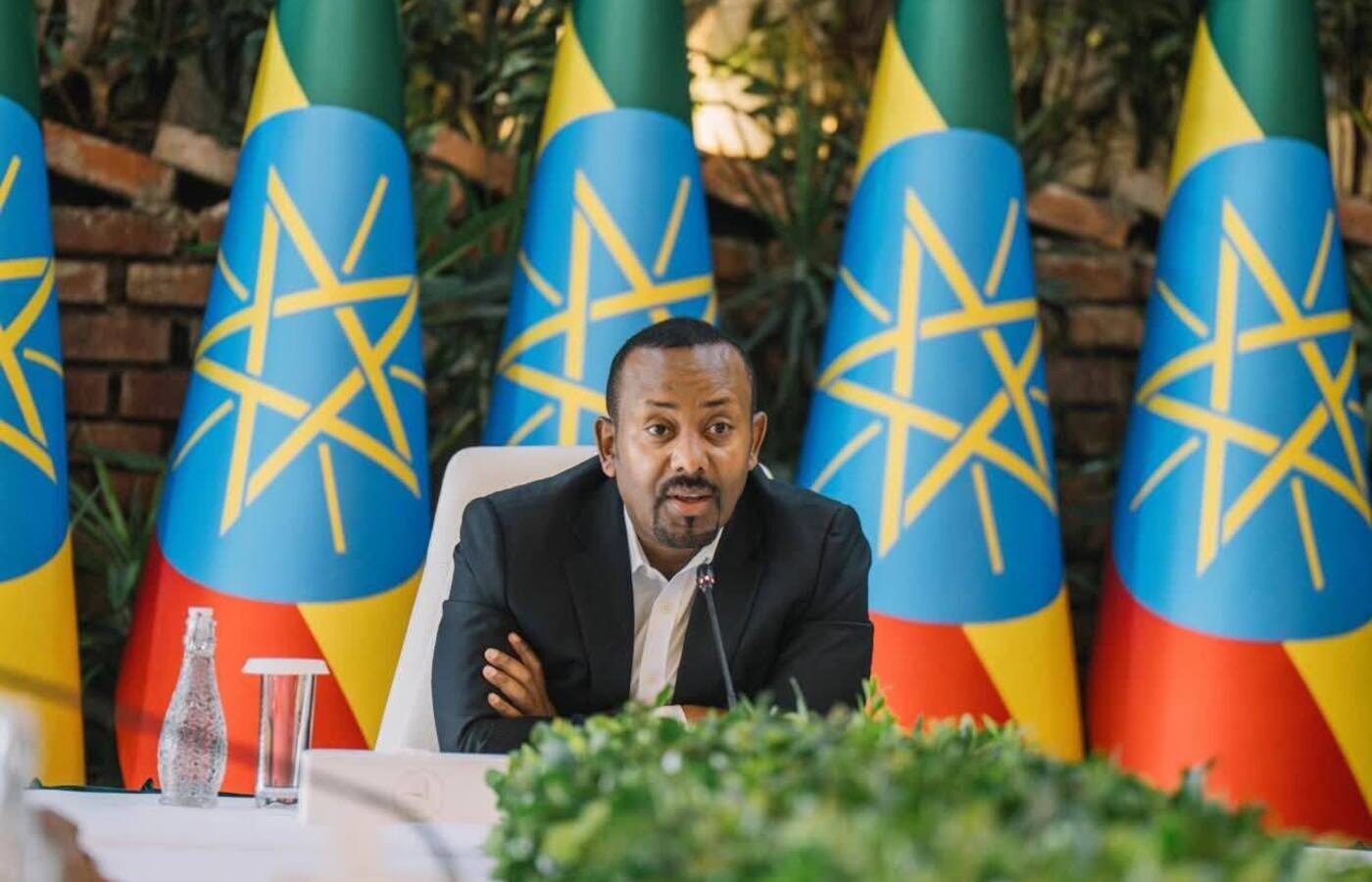
Prime Minister Abiy Ahmed has framed COP32 partly as an opportunity to showcase Ethiopia’s tourism potential. That may help mobilise domestic attention and investment. But the summit’s legacy will be written elsewhere: in negotiation rooms, finance texts, project pipelines and the credibility of whatever final outcome carries Addis Ababa’s name.
Ethiopia’s climate story is compelling precisely because it is unfinished. The country has green ambitions, real vulnerabilities and serious financing constraints. It wants to be seen as a climate leader, but leadership now requires more than tree-planting campaigns and renewable-energy projects. It requires transparent finance, measurable delivery and the political skill to turn global frustration into agreement.
COP32 will bring the world to Addis Ababa. That alone is a diplomatic victory.
What Ethiopia does with the room is the real story.




