

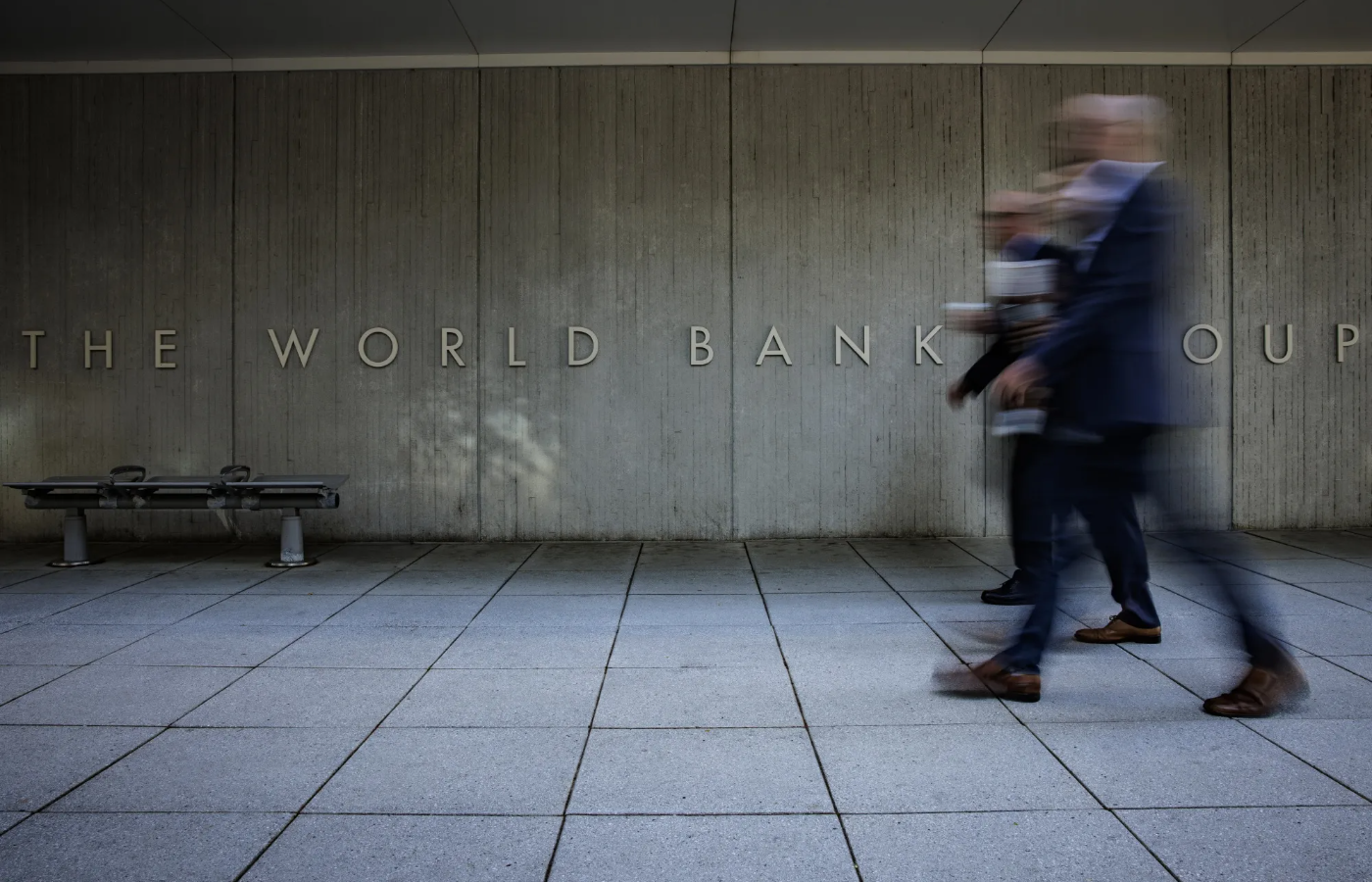
The World Bank has cleared a revised procurement plan for Ethiopia’s Urban Productive Safety Net and Jobs Project, allowing the government to move ahead with infrastructure works, equipment purchases and technical hiring across several regional cities.
The project, registered as P169943, aims to expand employment opportunities and income support for vulnerable urban households. It is implemented by the Ministry of Labor and Skills of Ethiopia and the Ministry of Urban and Infrastructure of Ethiopia.
Approval of the updated procurement framework on March 15, 2026 enables a new round of contracts covering public works, construction materials and administrative equipment needed for project implementation. The bank approved the original procurement plan on August 19, 2021.
Regional authorities are expected to oversee contracts in cities including Sodo, Arba Minch, Butajira and Wolkite, where labour intensive infrastructure activities are planned under the programme.
Additional urban centres such as Halaba and Dilla are also included in the procurement plan, with contracts expected to cover construction works supported by semi skilled labour as part of the project’s employment component.
The procurement plan also includes the purchase of construction inputs, safety equipment and hand tools used in public works programmes, alongside office furniture and supplies intended to strengthen the operational capacity of city level agencies implementing the project.
Technical specialists will also be recruited to support programme delivery, including public works experts and safeguard professionals responsible for supervising livelihood activities and ensuring environmental and social compliance.
All procurement activities will be processed through the Systematic Tracking and Exchanges in Procurement (STEM) platform used by the World Bank to monitor investment project transactions. Contracts must follow the bank’s procurement regulations for investment project financing borrowers.
International tenders will rely on the bank’s standard procurement documents, while national procurement procedures may be used for contracts targeting local suppliers provided they comply with Ethiopia’s federal procurement and property administration framework and the bank’s anti corruption and audit requirements.
The World Bank has been a major financier of Ethiopia’s social protection programmes, including urban safety nets. In 2020, the bank approved 400 million US dollars to launch the Urban Productive Safety Net and Jobs Project, designed to support vulnerable urban households and expand employment opportunities across dozens of cities.
The programme later received 250 million US dollars in additional financing in 2026 to widen its coverage and strengthen job creation components. The support forms part of a wider partnership between Ethiopia and the World Bank, which has also financed large scale rural safety net initiatives such as the Productive Safety Net Program, one of the country’s largest social protection schemes.
The revised procurement schedule extends into late 2026 and reflects adjustments to project timelines and cost estimates as implementation moves forward.




