

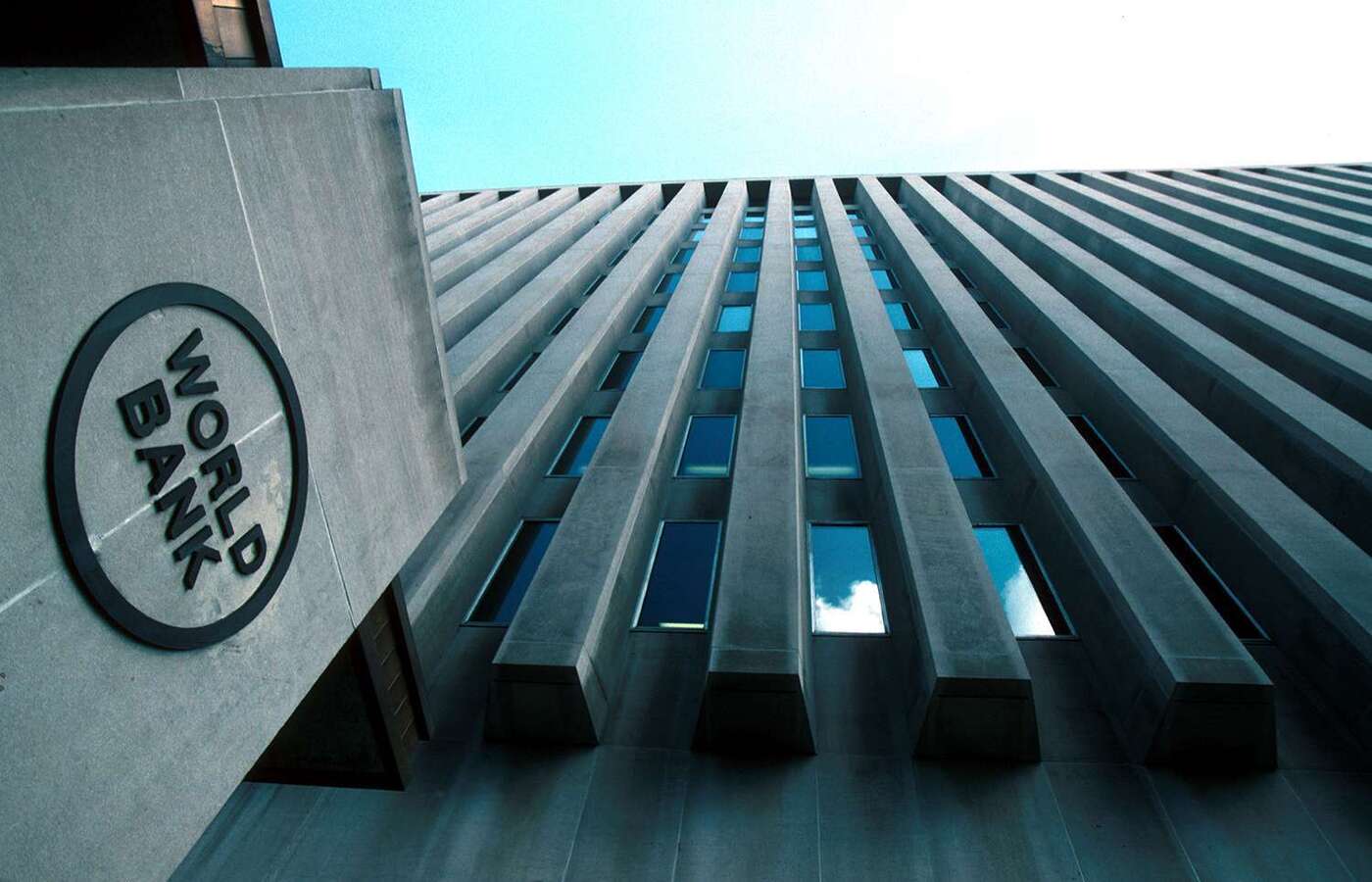
The World Bank has raised the global poverty line to three US dollars per person per day, up from 2.15 US dollars, a shift that could increase the number of Ethiopians classified as living in poverty.
The update, announced on June 5, 2025, follows the release of new Purchasing Power Parity (PPP) data from the International Comparison Program (ICP), which adjusts for differences in cost of living across countries. It is the first such revision since 2017 and reflects rising prices for food, housing, and other essentials globally.
The new poverty line uses 2021 PPPs and is intended to provide a more accurate and comparable threshold for measuring extreme poverty. The World Bank said the change does not indicate a sudden rise in global poverty but aligns poverty assessments with current price levels. However, it is expected to result in an increase in reported poverty rates in many low-income countries, including Ethiopia.
Ethiopia, where food inflation remains in double-digit and the birr has depreciated sharply against the dollar, is expected to be heavily impacted by the new benchmark.
The most recent estimate in 2021—based on the old 2.15 US dollars threshold—placed about 38.6 percent of the population below the poverty line. That figure is expected to rise under the new standard, though updated national data are still pending.
The announcement comes at a time when both national and municipal governments are under pressure to expand social services.
The new poverty threshold is likely to influence both government planning and international donor programming. Renewed scrutiny of Ethiopia’s social protection mechanisms, including the Productive Safety Net Program, is expected to follow, a move which may need recalibration to reflect the updated poverty line.
The Ministry of Planning and Development has not yet commented on the World Bank’s announcement. However, officials are expected to factor the new line into upcoming poverty assessments and fiscal targeting.
The World Bank defines poverty lines to help governments and donors track progress on global development goals.




