

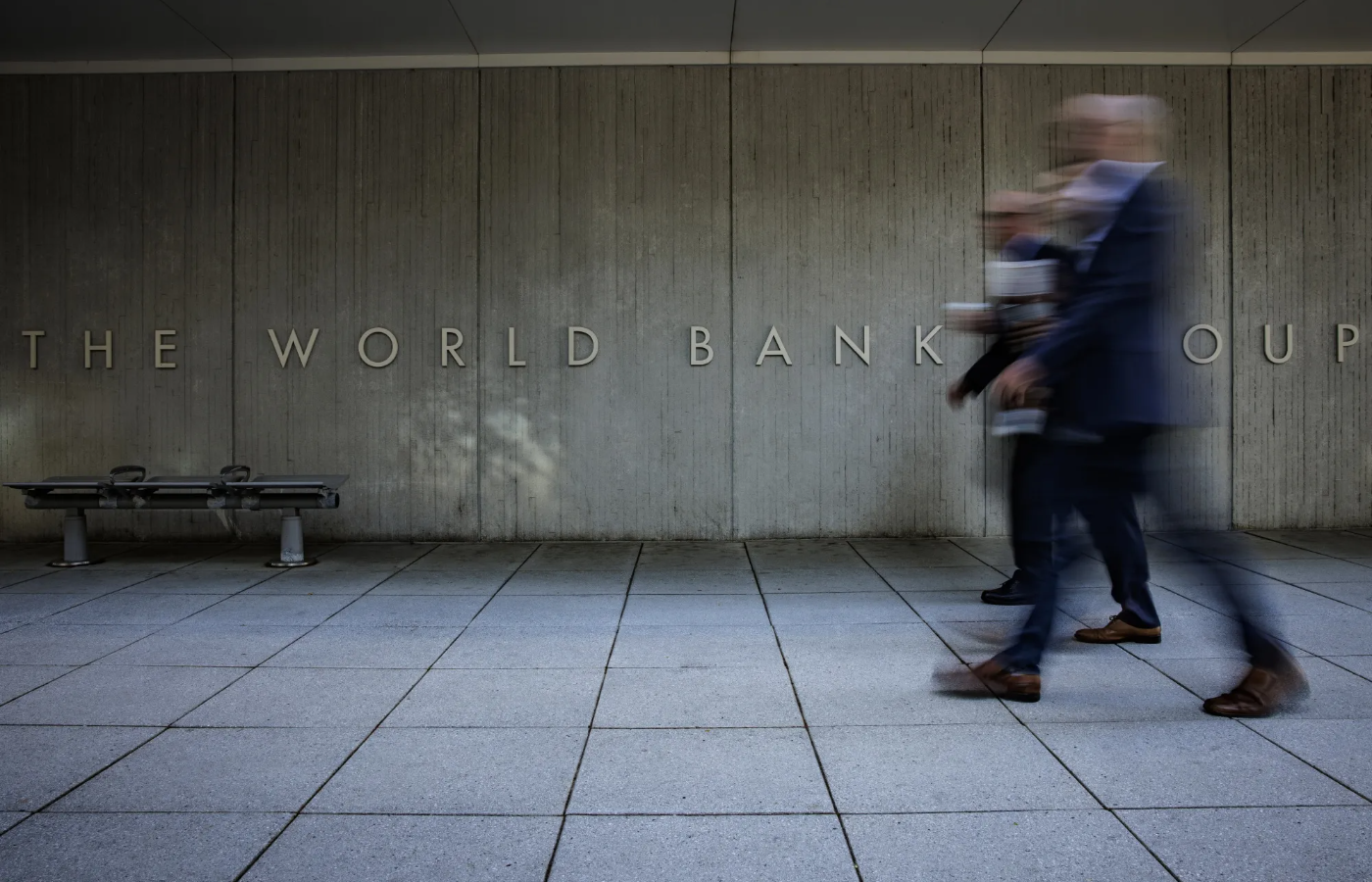
Underdeveloped capital markets and weak domestic financial systems are limiting investment growth across frontier economies such as Ethiopia, the World Bank said on Tuesday, Reuters reported.
The Washington-based lender, in its latest assessment of fifty-six smaller and higher-risk emerging economies, said average investment growth per person in frontier markets has slowed to about two percent in the 2020s, less than half the pace recorded over the previous two decades.
“Excluding a handful of economies that have become investment grade over the past 25 years, frontier markets may well be the biggest disappointment in economic development,” Indermit Gill, the World Bank’s chief economist, said, as quoted by Reuters.
In Ethiopia, efforts to develop capital markets are still in their early stages. The Ethiopian Capital Market Authority (ECMA) recently issued the country’s first investment banking licences, supported by World Bank and IFC programmes designed to expand local-currency financing and strengthen market regulation. Currently, five investment banks operate in the country, including the state-owned CBE Capital Investment Bank.
The Ethiopian Securities Exchange (ESX), the fledgling financial trading platform, reported a net loss of 81.8 million birr in its first full financial year, reflecting heavy start-up costs for infrastructure, technology, and staffing. Despite the loss, ESX’s total assets stood at about 1.11 billion birr, highlighting the scale of its initial investment and the early stage of Ethiopia’s capital market development.
Despite these reforms, domestic currency markets remain shallow, limiting long-term financing for businesses. Lending by local banks — a key driver of private-sector growth — continues to lag that of more established emerging economies, slowing the pace at which Ethiopia can translate reform efforts into tangible investment.
Frontier economies are home to roughly one-fifth of the world’s population but attract only 3.1 percent of global capital flows and generate less than five percent of global gross domestic product. Their populations are expanding rapidly; the World Bank projects an increase of about 800 million people over the next twenty-five years — more than the rest of the world combined — placing additional pressure on jobs, infrastructure, and public services.
While countries such as Vietnam, Rwanda following its post-conflict recovery, and European Union members Bulgaria and Romania have successfully attracted investment, many frontier economies remain vulnerable. Weak capital flows and underdeveloped institutions continue to constrain growth, the report said.
Rising government spending alongside stagnant revenue has pushed debt burdens higher. Since the COVID-19 pandemic, Zambia, Ethiopia, and Ghana have all defaulted on their sovereign debt, highlighting vulnerabilities across Africa, which hosts more than one-third of frontier market economies. Typical frontier markets now spend about 2.5 percent of GDP on interest payments, exceeding levels seen in other developing and emerging economies.
“They need investment, they need foreign direct investment, and they need to manage their debt much more effectively given the kind of demographic challenge in many countries,” Ayhan Kose, the World Bank’s deputy chief economist, told Reuters.
The World Bank highlighted the importance of sustained structural reforms in Ethiopia and its peers. Over the past few years, Ethiopia has liberalised the banking sector, opened telecommunications to private investment, and freed the birr’s exchange rate — steps aimed at attracting foreign investment and modernising the financial system.
However, reform fatigue in some countries has weakened governance and institutions, contributing to lower foreign investment inflows. Kose noted that slower trade growth and weaker commodity prices compared with twenty-five years ago add to the challenge.




