

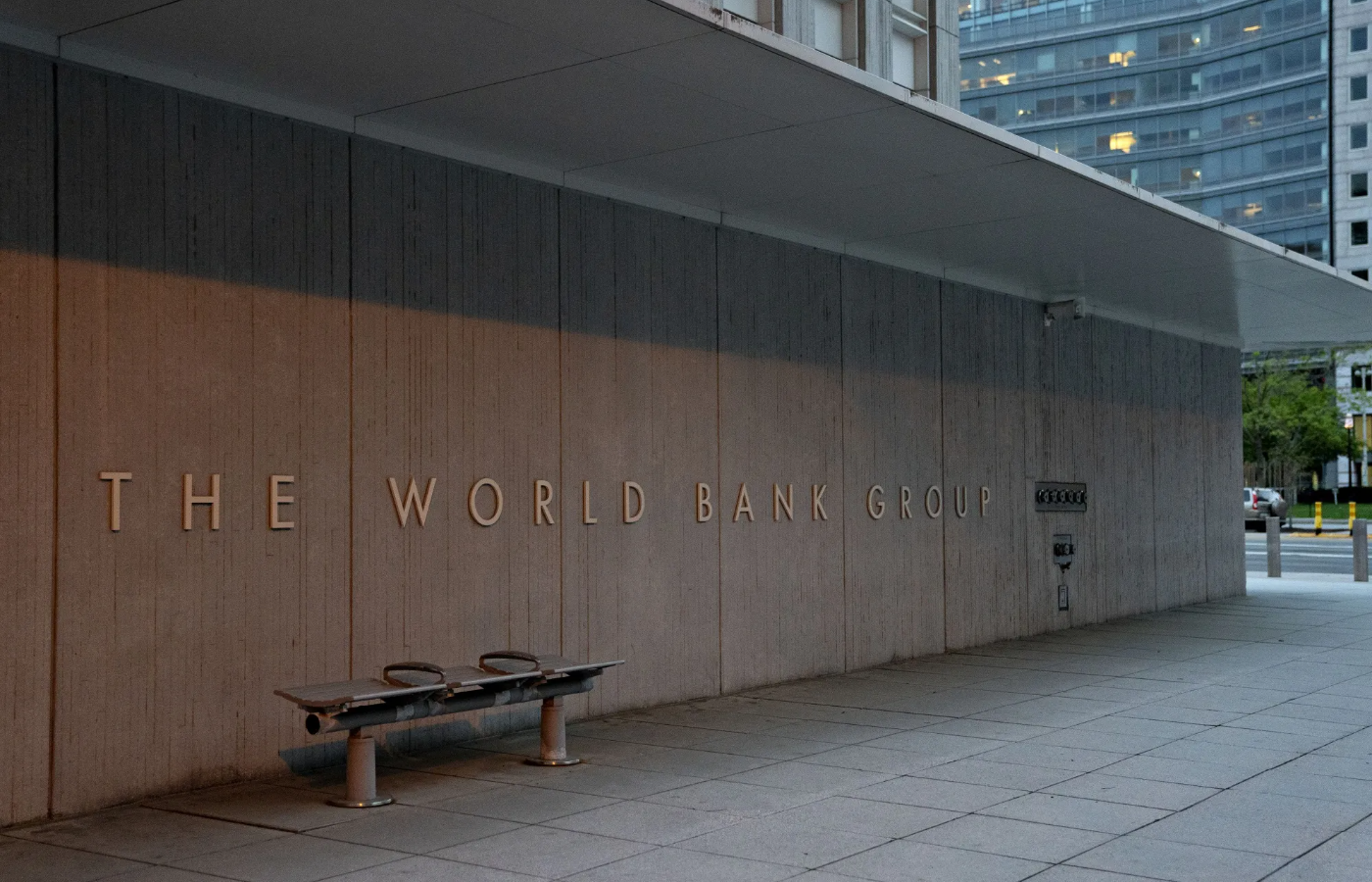
Ethiopia is facing renewed energy-driven risks despite a recent easing of inflation, according to the latest Africa Economic Update by the World Bank.
The report indicates that inflationary pressures have moderated in several African economies, including Ethiopia, creating space for more accommodative monetary policy. The slowdown has been supported by improved foreign exchange inflows, relatively stable currencies and earlier tightening measures.
However, the outlook is overshadowed by rising global energy prices amid escalating tensions in the Middle East. The World Bank warns that higher fuel and fertiliser costs are likely to push up domestic prices, particularly in oil-importing countries such as Ethiopia, which imported energy equivalent to about 1.5 percent of its GDP in 2024, increasing the risk of renewed inflation.
The exposure is compounded by Ethiopia’s reliance on remittances, including those from the Middle East, which remain a key source of external income. These inflows account for about 5 percent of gross domestic product and exceeded 6 billion US dollars in 2024. In 2022, an estimated 750,000 Ethiopians were residing in Saudi Arabia, highlighting the scale of the country’s labour migration and its sensitivity to regional disruptions.
Ethiopia has recently introduced emergency fuel subsidies to cushion households and businesses. While these measures may help contain immediate cost pressures, the report cautions that such interventions are fiscally burdensome and difficult to sustain over time, especially in economies with limited budgetary space.
Late last year, the country returned to single-digit inflation, with the rate falling to 9.7 percent in December from 17.0 percent a year earlier. By late March, annual inflation had edged down further to 9.4 percent, while prices rose 2.3 percent on a month-on-month basis.
The regional backdrop remains challenging. Sub-Saharan Africa’s growth is projected at about 4.1 percent in 2026, with risks tilted to the downside due to geopolitical tensions, high debt-service costs and persistent structural constraints.
For Ethiopia, these external pressures coincide with deeper structural challenges. The report notes that growth across the region continues to fall short of what is required to generate sufficient jobs, with most employment concentrated in low-productivity sectors.
The Washington-based lender highlights industrial policy as a potential lever for stronger growth, pointing to Ethiopia’s experience with industrial parks. The Hawassa Industrial Park, which employed about 25,000 workers and generated 240 million US dollars in exports by 2019, is cited as an example of how coordinated investment in infrastructure and skills can attract private investment.
Even so, the report emphasises that such gains remain uneven. Weak implementation capacity, infrastructure gaps and limited financing continue to constrain broader industrialisation efforts.
At the same time, rising debt-service obligations are placing additional strain on public finances across the region, limiting governments’ ability to respond to shocks or scale up development spending.
The global development bank says targeted policy measures could help Ethiopia manage mounting energy-related pressures. It notes that governments are deploying a mix of tools to contain fuel cost increases, while relying on existing social protection systems to cushion vulnerable households. In Ethiopia, adjusting benefits for social safety net recipients in both urban and rural areas in line with inflation could offset a significant share of potential welfare losses.




