

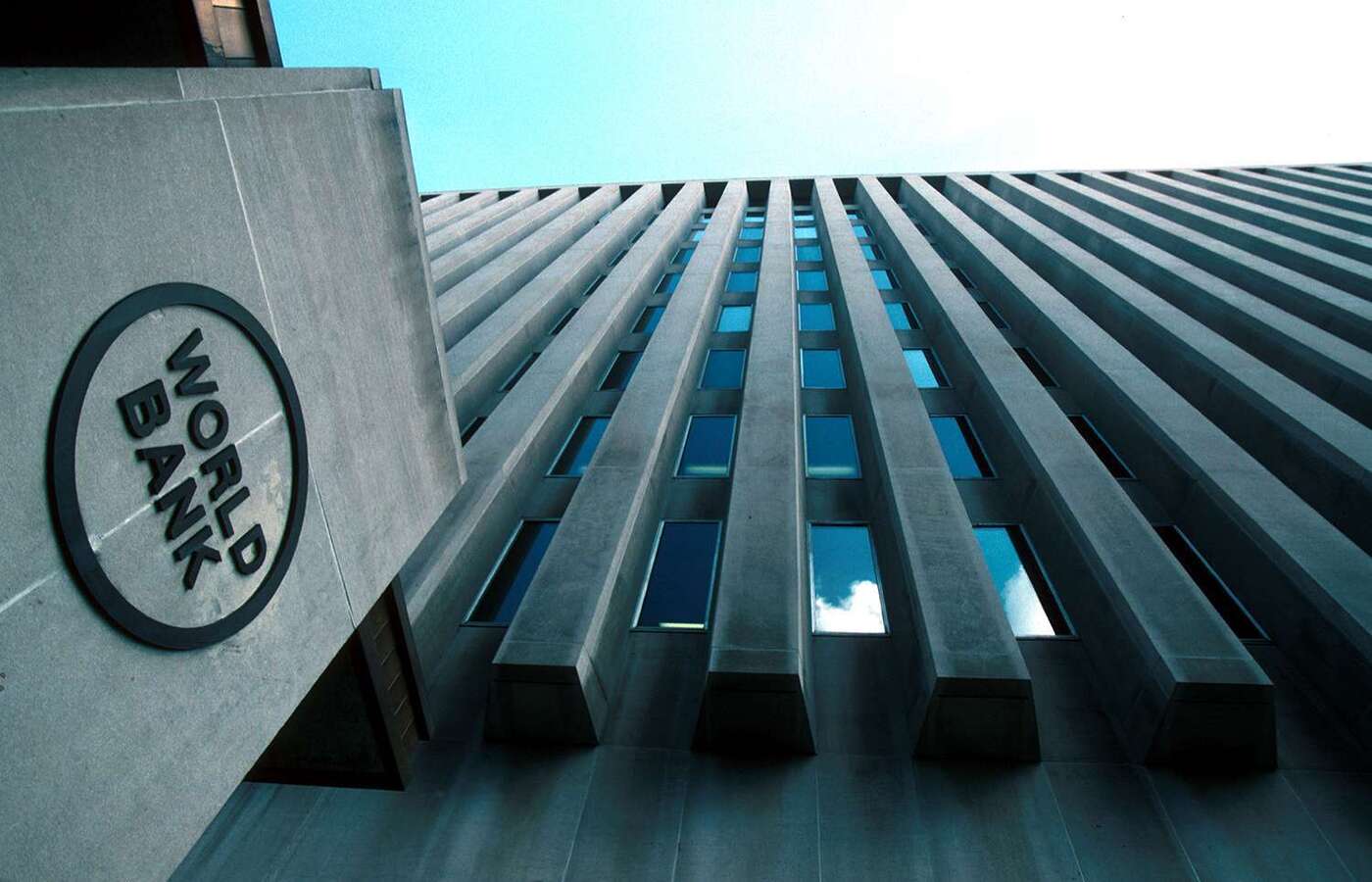
The World Bank at times muted its public push for transformational economic reforms in Ethiopia in order to preserve its relationship with the government, according to an internal evaluation that raises questions about the trade-offs between diplomatic engagement and policy influence during one of the country’s most turbulent decades.
The assessment by the World Bank’s Independent Evaluation Group (IEG), covering fiscal years 2013 to 2023, concludes that the institution adopted a pragmatic strategy focused on collaboration in areas of mutual agreement — but that approach may have limited its ability to drive deeper structural reforms needed to address growing macroeconomic imbalances and unlock private-sector growth.
“At times, the World Bank traded candor on transformational reforms for remaining engaged in Ethiopia’s policy dialogue,” the report says, highlighting how sensitive issues such as exchange rate misalignment, financial repression and fiscal consolidation were often handled behind closed doors rather than through open public debate.
The evaluation provides one of the most detailed institutional reflections yet on the World Bank’s role during a period that saw Ethiopia transition from rapid economic growth to conflict, debt distress and economic crisis.
World Bank financing to Ethiopia nearly doubled over the evaluation period, rising from 7.2 billion US dollar between fiscal years 2013 and 2017 to 13.2 billion US dollar between 2018 and 2023, even as macroeconomic imbalances widened and political instability escalated.
The Bank maintained high levels of lending and disbursement during the COVID-19 pandemic, the Tigray conflict and subsequent economic shocks, helping sustain social protection programmes and mitigate poverty pressures. However, the evaluation notes that limited strategic adjustments were made despite rising risks to the portfolio.
Repeated reliance on additional financing enabled rapid support during crises but reduced opportunities for strategic course correction, potentially extending programmes without sufficient reassessment as conditions deteriorated.
The report identifies a brief period of reform momentum following political changes in 2018, when the government signalled greater openness to economic liberalisation and private sector participation.
The World Bank quickly mobilised budget support, including a 1.95 billion US dollar growth and competitiveness programme aimed at improving the business climate and liberalising key sectors. Some reforms, such as introducing competition into telecommunications, delivered tangible results.
The pandemic, conflict and widening economic pressures slowed implementation, while policy reversals and unresolved macroeconomic constraints — including an overvalued exchange rate, directed credit policies and heavy state involvement in key sectors — undermined progress.
Despite significant achievements at the project level, the evaluation concludes that broader economic transformation remained elusive.
World Bank-supported initiatives improved agricultural productivity, expanded climate-resilient land management and strengthened social safety nets serving millions of Ethiopians. Industrial parks attracted investment and generated employment but failed to drive a major expansion in exports or absorb enough labour to transform the economy.
Agricultural programmes increased crop yields by 17 percent and boosted cereal productivity growth, yet structural barriers prevented the emergence of a competitive export-oriented agricultural sector.
The evaluation argues that without broader macroeconomic reforms, technical successes in individual sectors were unlikely to translate into sustained economic transformation.
The report also highlights internal tensions within the World Bank’s approach. While maintaining engagement allowed the institution to remain a central development partner — and helped avert a deeper economic crisis during periods of instability — it may have constrained more forceful advocacy on contentious reforms.
During periods of conflict and political sensitivity, the Bank reduced the visibility of some public economic analysis, including discontinuing regular macroeconomic updates that had previously contributed to policy debate.
Some stakeholders interviewed for the evaluation suggested that a more direct approach might have increased pressure for reform, while others argued that a confrontational stance could have undermined cooperation altogether.
The evaluation calls for a recalibration of the Bank’s strategy in Ethiopia, urging a stronger balance between closed-door diplomacy and open policy discourse.
It argues that future engagement should place greater emphasis on addressing underlying macroeconomic imbalances — including exchange rate policy, debt sustainability and financial sector liberalisation — to ensure that project-level gains translate into broader economic transformation.
The findings come as Ethiopia embarks on a new phase of reforms supported by the World Bank and the International Monetary Fund, including exchange rate liberalisation introduced in July 2024, which could reshape the environment for private-sector growth if sustained.




