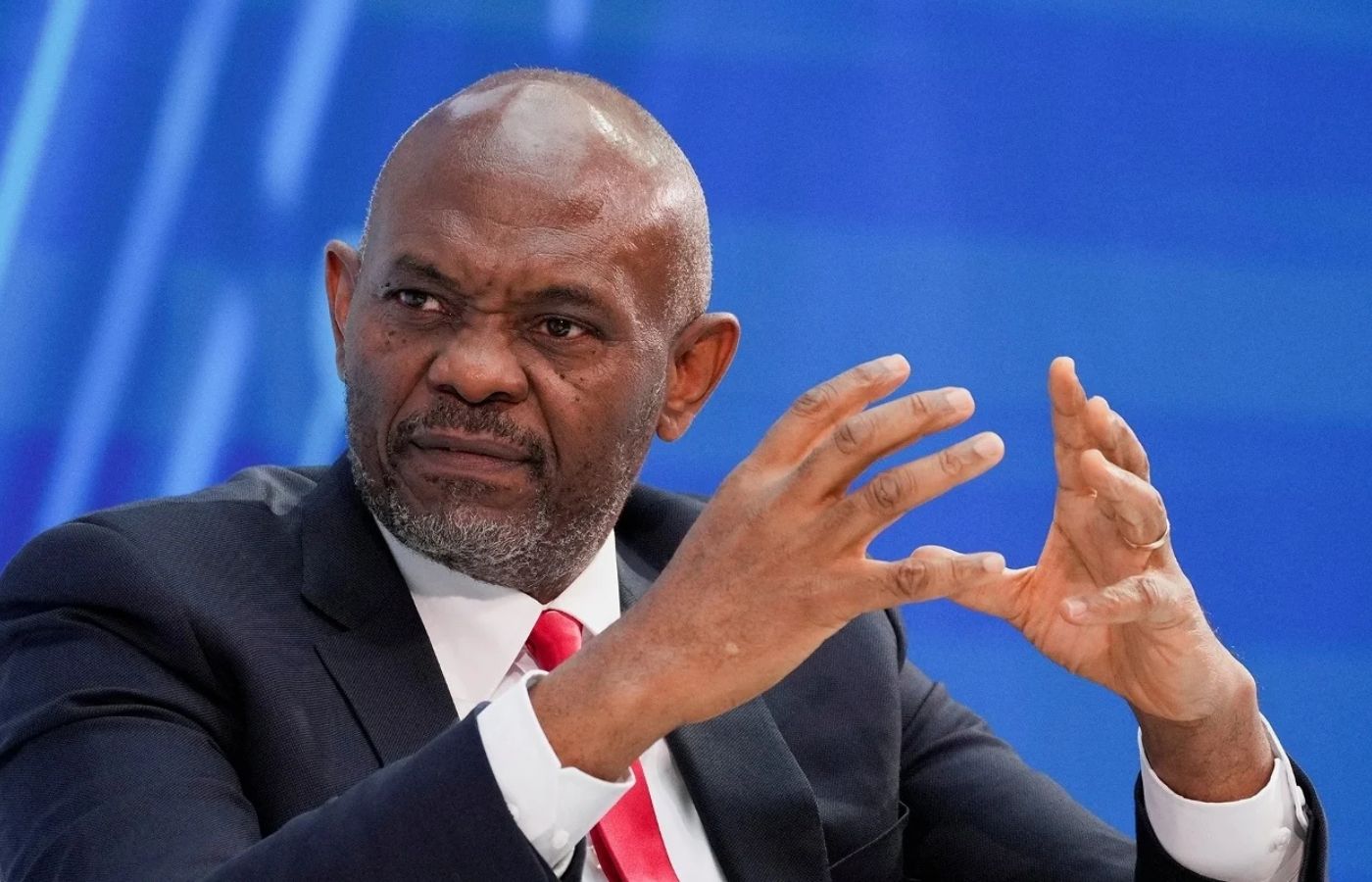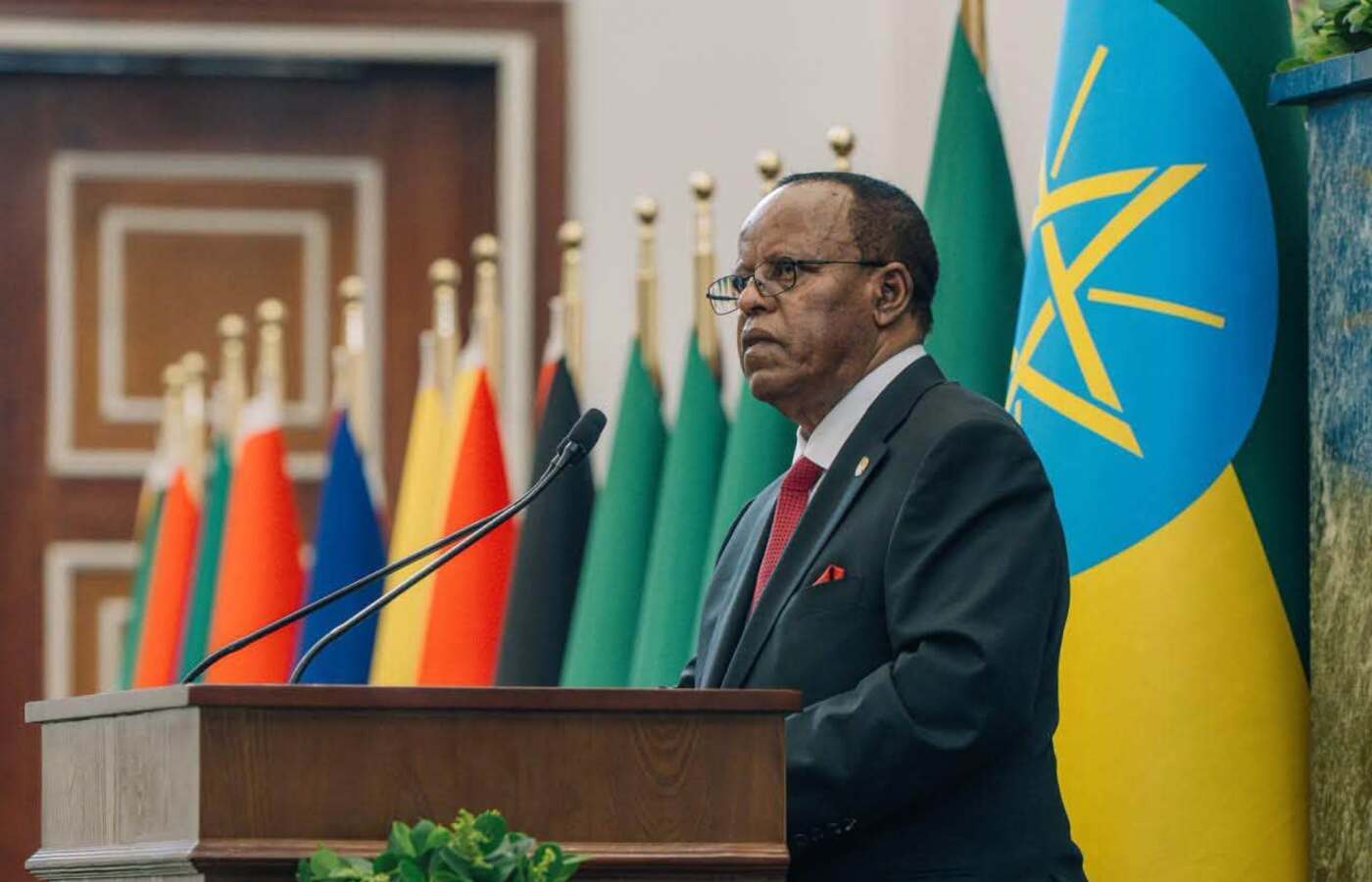
Ethiopia’s annual crop production rose to 1.3 billion quintals in 2025/26 fiscal year from 335 million quintals in 2011, President Taye Atske Selassie said, highlighting the expansion of agricultural production over the period.
The president made the remarks during the joint opening session of the House of Peoples’ Representatives and the House of Federation, where he reviewed developments recorded across agriculture and other sectors over the past five years.
According to the figures cited by Taye, annual crop production increased by about 965 million quintals from its 2011 level, representing almost a fourfold rise.
The president attributed the increase to efforts made in agriculture and other sectors, saying the reported gains were part of broader efforts to strengthen economic self-reliance.
He said work launched over the past five years in agriculture, mining, investment, tourism and technology would need to be further strengthened and developed into higher levels of productivity.
The remarks come as agricultural production remains central to Ethiopia’s efforts to expand domestic food supply and reduce reliance on imports. Agriculture also remains a major source of employment and household income, while changes in crop output have implications for food availability, agricultural markets and import demand.
Prime Minister Abiy Ahmed (PhD) separately pointed to the expansion of irrigation agriculture as a major factor behind changes in wheat and rice production.
Speaking after being sworn in as prime minister before the House of Peoples’ Representatives, Abiy said summer irrigation development had changed the country’s wheat and rice production.
The government has expanded irrigation-based farming as part of efforts to increase agricultural production beyond the main rainy-season harvest. Wheat production in particular has been a focus of the programme, with irrigation allowing cultivation during the dry season.
Abiy also cited the government’s Green Legacy Initiative, saying more than 56 billion seedlings had been planted and that previously degraded areas had been restored while soil erosion had been reduced.
He also said production of milk, poultry and eggs had increased under the Lemat Trufat initiative, which is aimed at expanding livestock and poultry production and supporting food self-sufficiency.
The crop production figure cited by the president covers the change between 2011 and 2018 in the Ethiopian calendar. The statement did not provide a crop-by-crop breakdown, cultivated-area figures, yields per hectare or the methodology used to calculate the aggregate production figure.
The figures therefore provide a measure of reported overall crop output but do not, on their own, indicate how much of the increase came from expanded cultivated area, higher yields, irrigation or changes in crop composition.