Ethiopia calls for mutual recognition of product certifications across African markets as governments seek to reduce non-tariff barriers and expand value-added exports
African trade ministers and business representatives have gathered in Addis Ababa for a trade development forum focused on improving the quality and competitiveness of the continent’s exports, as governments seek to address barriers that continue to constrain intra-African commerce.
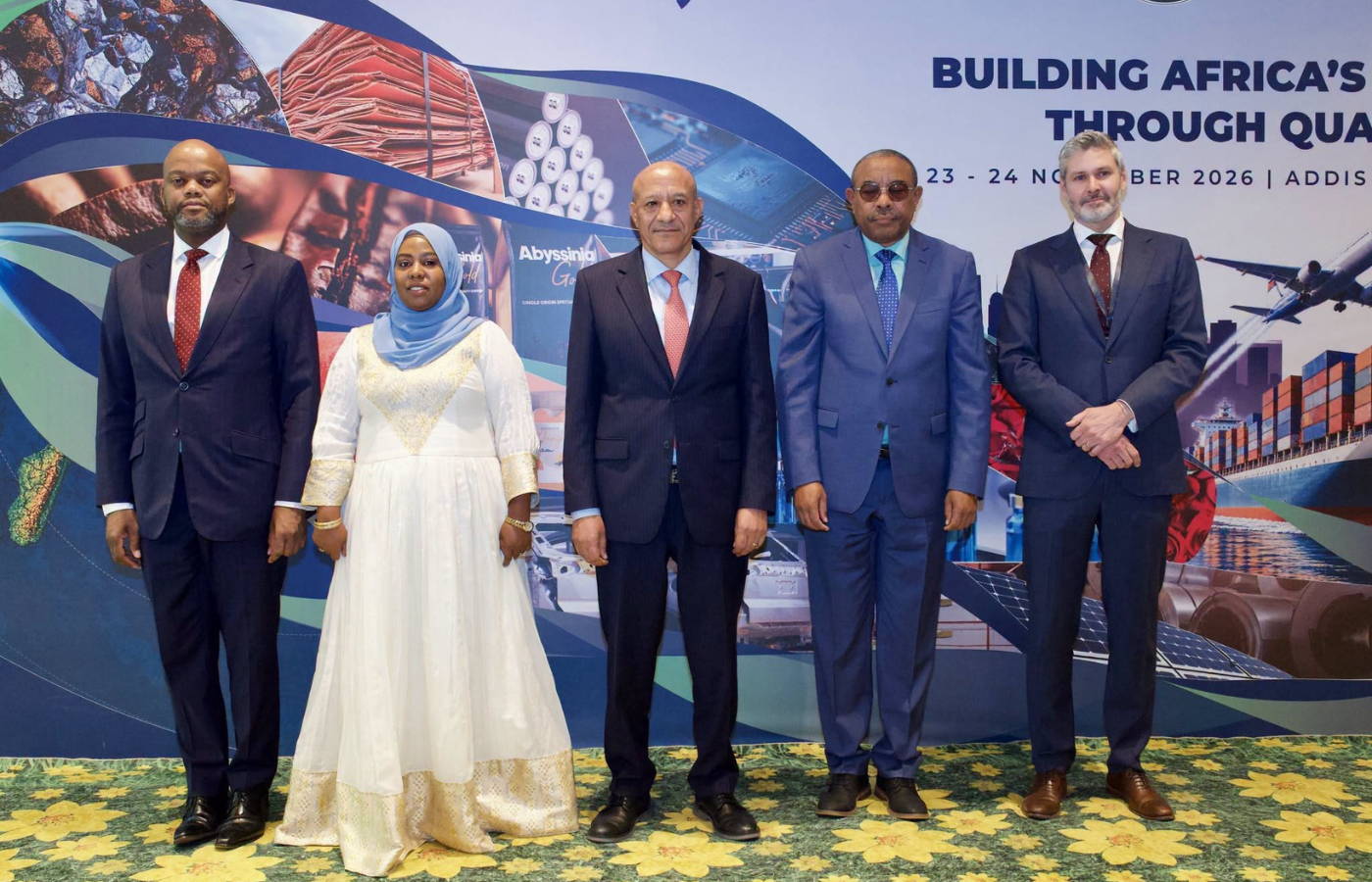
The Africa Trade Development Forum, held under the theme “Building Africa’s Exports through Quality”, opened on November 23, 2026, bringing together senior government officials, trade ministers from several African countries and private-sector representatives.
The forum is organised jointly by Ethiopia’s Ministry of Trade and Regional Integration and TradeMark Africa. Its programme includes exhibitions, panel discussions and bilateral business meetings aimed at developing commercial partnerships and facilitating trade-related agreements.
Speaking at the opening, Trade and Regional Integration Minister Yasmin Wuhabrebie said Ethiopia was implementing economic and trade reforms to strengthen its participation in the African Continental Free Trade Area (AfCFTA) and expand the productive capacity of agriculture, mining and manufacturing.
She said the transition to a market-based foreign exchange system, alongside incentives for exporters, was intended to increase private-sector participation, exports and investment.
The government was also pursuing reforms to improve the business environment, including the digitalisation of business registration and licensing, as part of efforts to make commercial procedures more transparent and efficient, she added.
However, the minister identified product quality, certification and regulatory recognition as central to improving African exports and expanding access to regional markets.
Ethiopia has established a national quality infrastructure bringing together institutions responsible for standards development, inspection, certification and accreditation, she said, describing these functions as essential to improving the competitiveness of domestic products.
Wuhabrebie called for African countries to establish arrangements under which products certified as meeting quality requirements in one member state would be recognised in other African markets.
She also urged governments to coordinate efforts to address non-tariff barriers and reduce the high costs of logistics and trade finance, which continue to affect the movement of goods across the continent.
Africa's participation in global trade remains concentrated in raw materials and basic commodities, despite its natural resources, expanding consumer markets and large workforce, the minister said.
She called for a shift towards value-added production and industrial development, with manufacturers producing goods and services that meet internationally recognised quality standards.
The discussions come as African governments seek to translate the AfCFTA into greater trade flows between member states. The agreement, which entered into force in 2019, aims to establish a single continental market for goods and services by reducing tariffs and addressing regulatory and other barriers to cross-border trade.
Beyond tariff reductions, differences in product standards, certification requirements, customs procedures and transport costs remain important obstacles to the development of regional supply chains.
Ethiopia is pursuing infrastructure projects intended to support cross-border trade, including road and railway connections, electricity interconnections and one-stop border posts, according to the minister.
She also said the country was continuing its accession process to the World Trade Organisation, which she described as part of efforts to strengthen the legal and regulatory framework for economic reforms, improve access to international markets and participate in shaping global trade rules.
The forum is expected to provide a platform for discussions between governments and businesses, with exhibitions and bilateral engagements intended to identify opportunities for commercial cooperation.
Wuhabrebie called on participants to use the gathering to move beyond policy discussions towards practical partnerships and coordinated action to strengthen African trade.