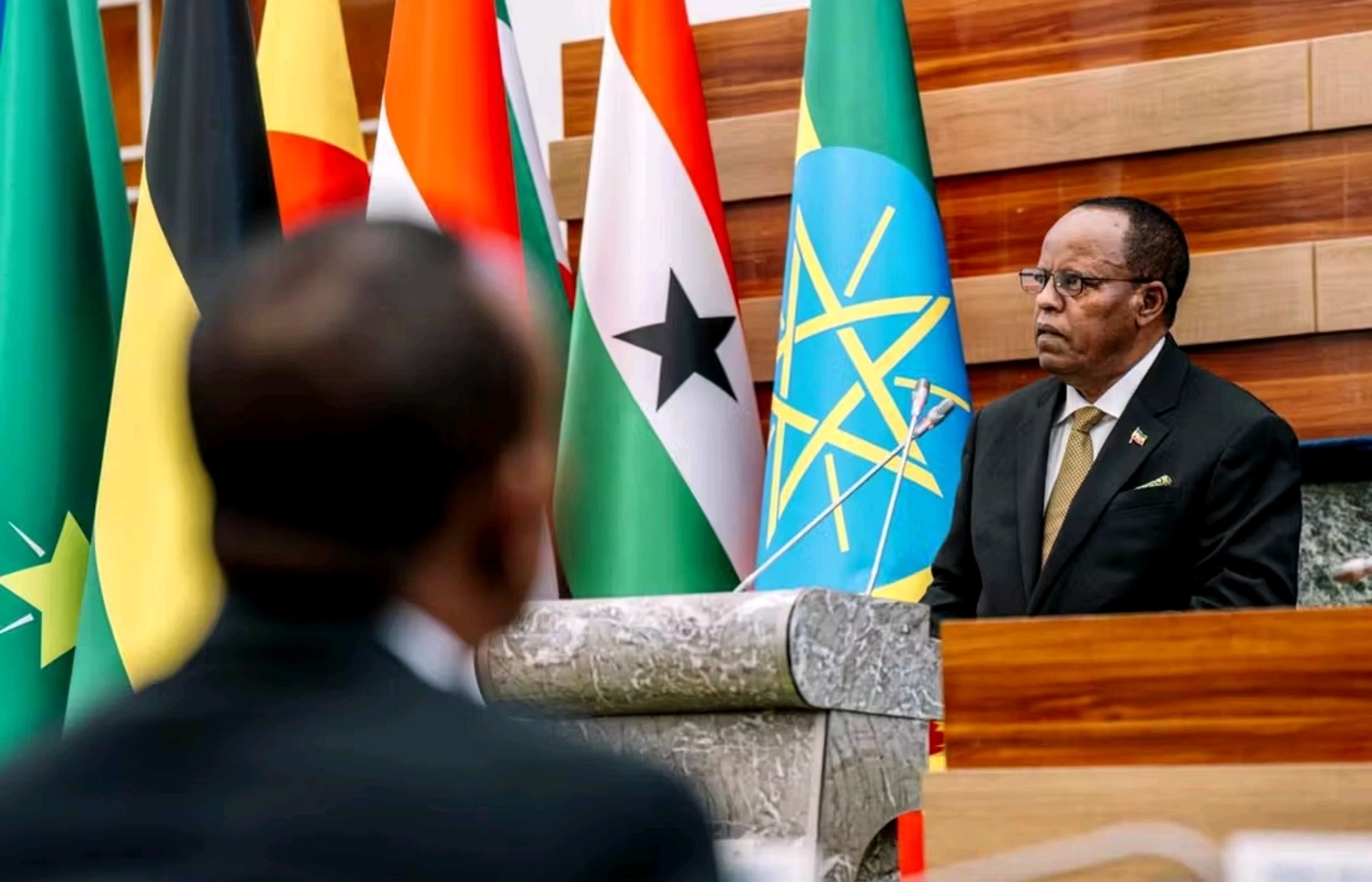
Ethiopia is targeting 10.1 percent economic growth in the current fiscal year and plans to push inflation into single digits, President Taye Atske Selassie said Tuesday, setting out the economic priorities of the government at the opening of parliament.
Addressing the joint session of the House of Peoples’ Representatives and the House of Federation, Taye said the government would focus on improving productivity and quality while strengthening domestic revenue mobilisation, expanding the tax base and tightening management of public expenditure.
The 10.1 percent growth target comes as the government says inflation has fallen substantially from the levels recorded in recent years.
Annual inflation stood at 13.4 percent, according to figures presented by the president, with authorities now aiming to bring the rate below 10 percent.
Containing the cost of living is set to remain a major policy priority. Taye urged lawmakers to focus on increasing production and productivity alongside measures to improve good governance and economic performance.
The government also plans to raise electricity access to 65 percent, expand health-insurance coverage to 85 percent, increase student feeding coverage to 70 percent and attract more than 1.6 million foreign tourists during the fiscal year.
Taye said implementation would require stronger coordination between federal and regional governments, improvements in project execution and tighter management of public finances.
The targets come against what the government describes as improving economic indicators. Export earnings reached 11.2 billion US dollars, foreign direct investment totalled 4.5 billion US dollars, manufacturing expanded by 15.8 percent and credit supply increased to 1.3 trillion birr.
Whether the stronger headline indicators translate into lower living costs and improved household purchasing power is likely to remain one of the central economic tests facing the government.