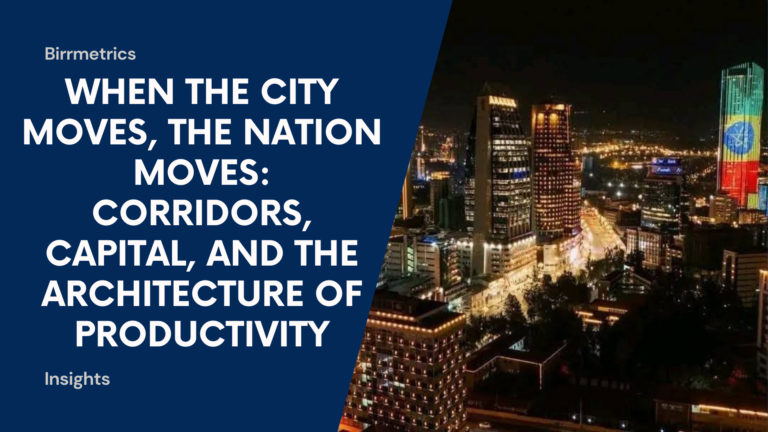
Why dismissing urban infrastructure as economically irrelevant misunderstands how modern cities generate productivity “Cities do not become productive simply because economic activity happens inside them. They become productive when the...
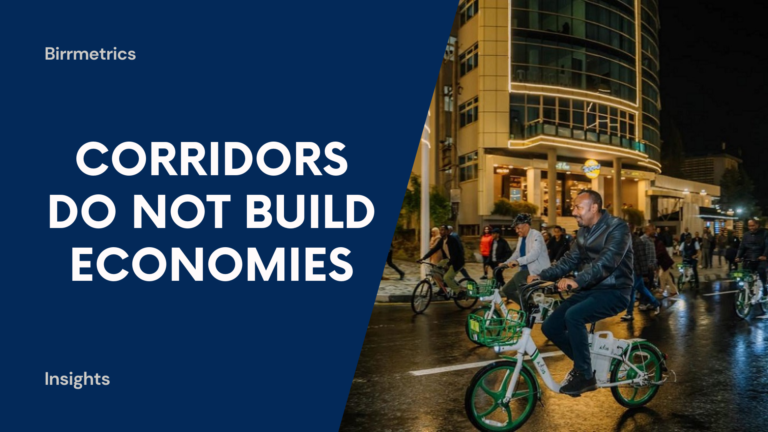
A Respectful Rebuttal to Zelalem Tamir’s “Corridors Do Not Build Economies,” published February 27, 2026 With full respect to Zelalem Tamir’s economic training and the seriousness of his argument, this...
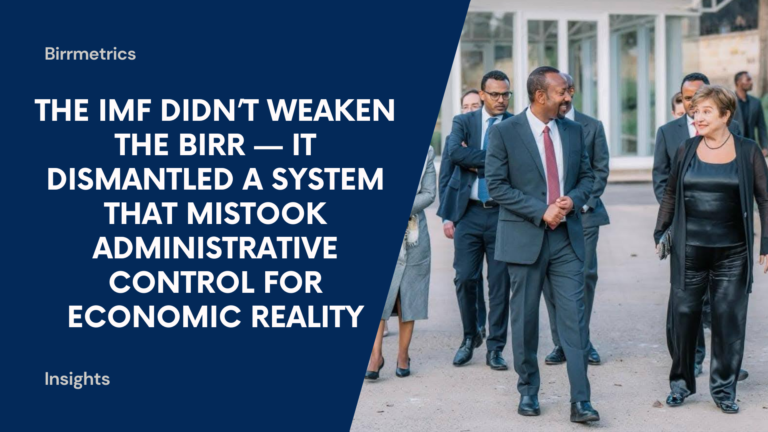
What collapsed was not the currency, but the policy that tried to command scarcity instead of confronting it. By the time Ethiopia moved to liberalise its exchange-rate regime in July...
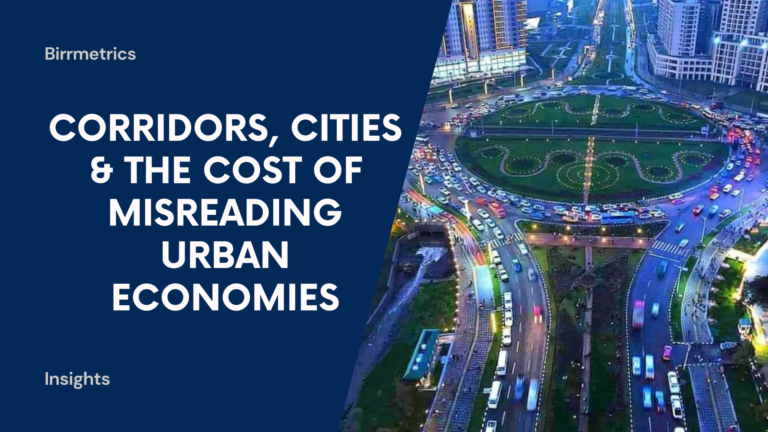
Urban corridors have already cost billions, and it is time to stop. At dusk, Addis Ababa’s new corridors glow. Fresh asphalt reflects streetlights; landscaped riverbanks shimmer; cranes silhouette the skyline....
Globally, Takaful - a Sharia-adherent insurance scheme - is registering unparalleled development. The product is being offered in the form of either family or general Takaful, to cater to the...
The comprehensive macroeconomic reforms initiated years ago contain a number of components. One of them is enhancing competition by allowing foreign banks to operate in Ethiopia. Ever since the idea...
For Ethiopia, the Blue Nile is more than a river; it is the lifeblood of a nation and the backbone of its ambition. The Grand Ethiopian Renaissance Dam (GERD), rising...
On January 7, 2026, the United States announced it would withdraw from more than sixty international organisations and UN bodies, citing national interest as its rationale. The decision spans climate...
The argument that Ethiopian state owned enterprises are crowding out innovation has gained traction among entrepreneurs and commentators frustrated by coordination failures. Yet as an explanation it rests on weak...
When Ethiopia joined BRICS in January 2024, it did more than add a name to an international roster; it took a seat at a table where the rules of global...