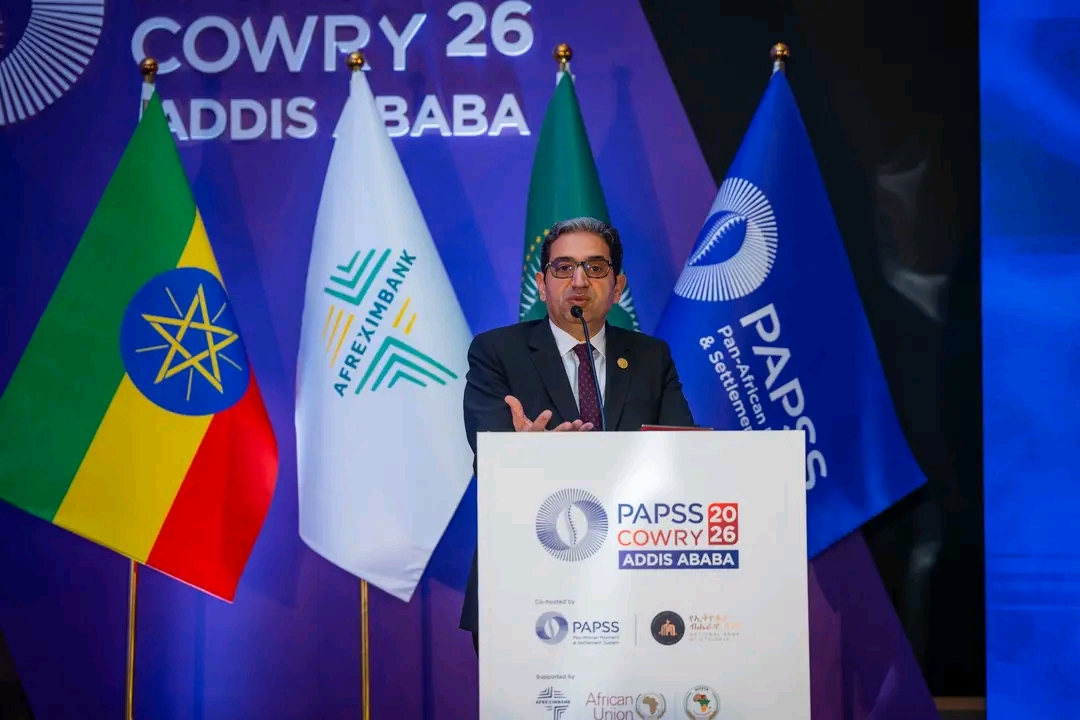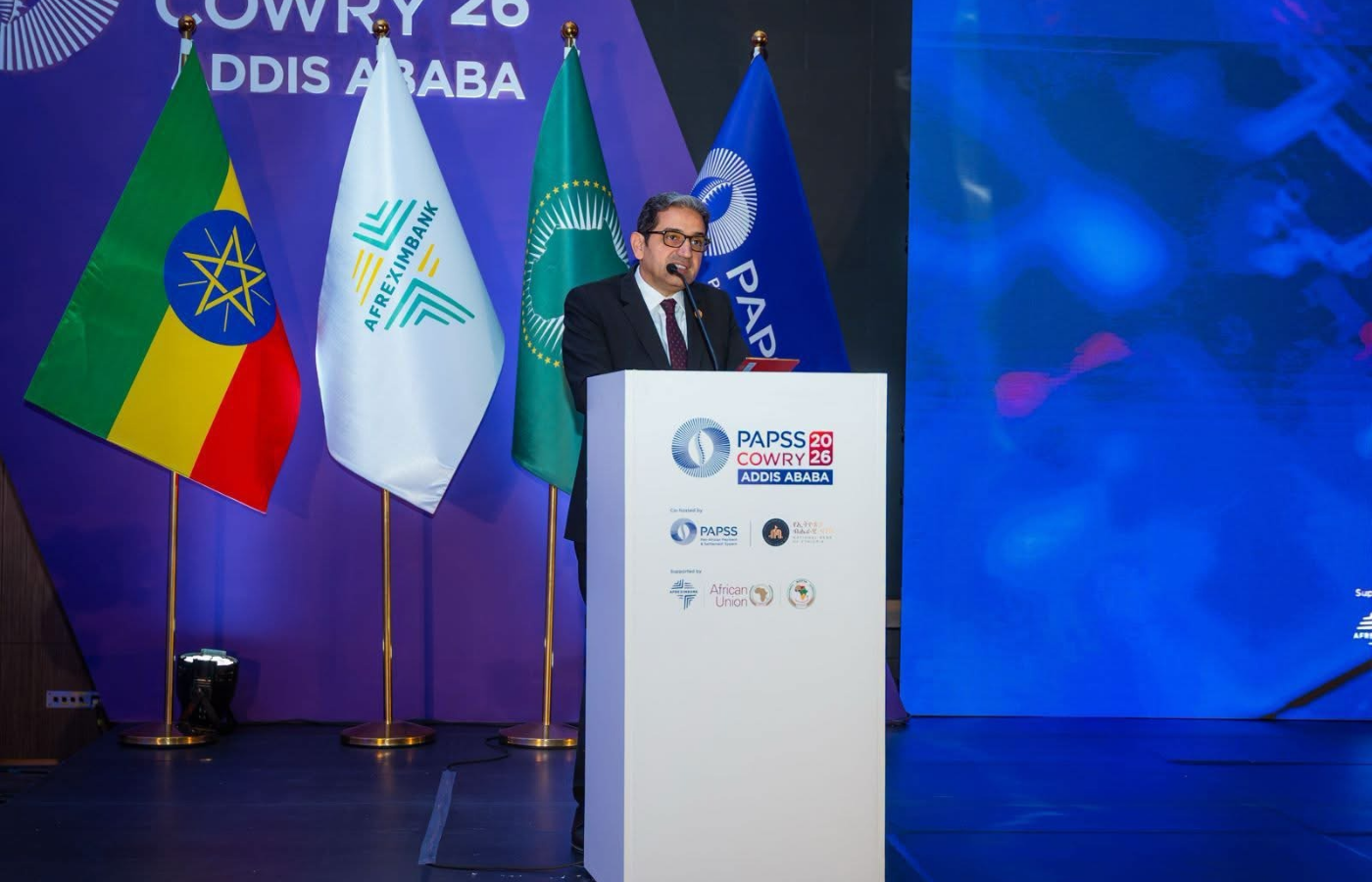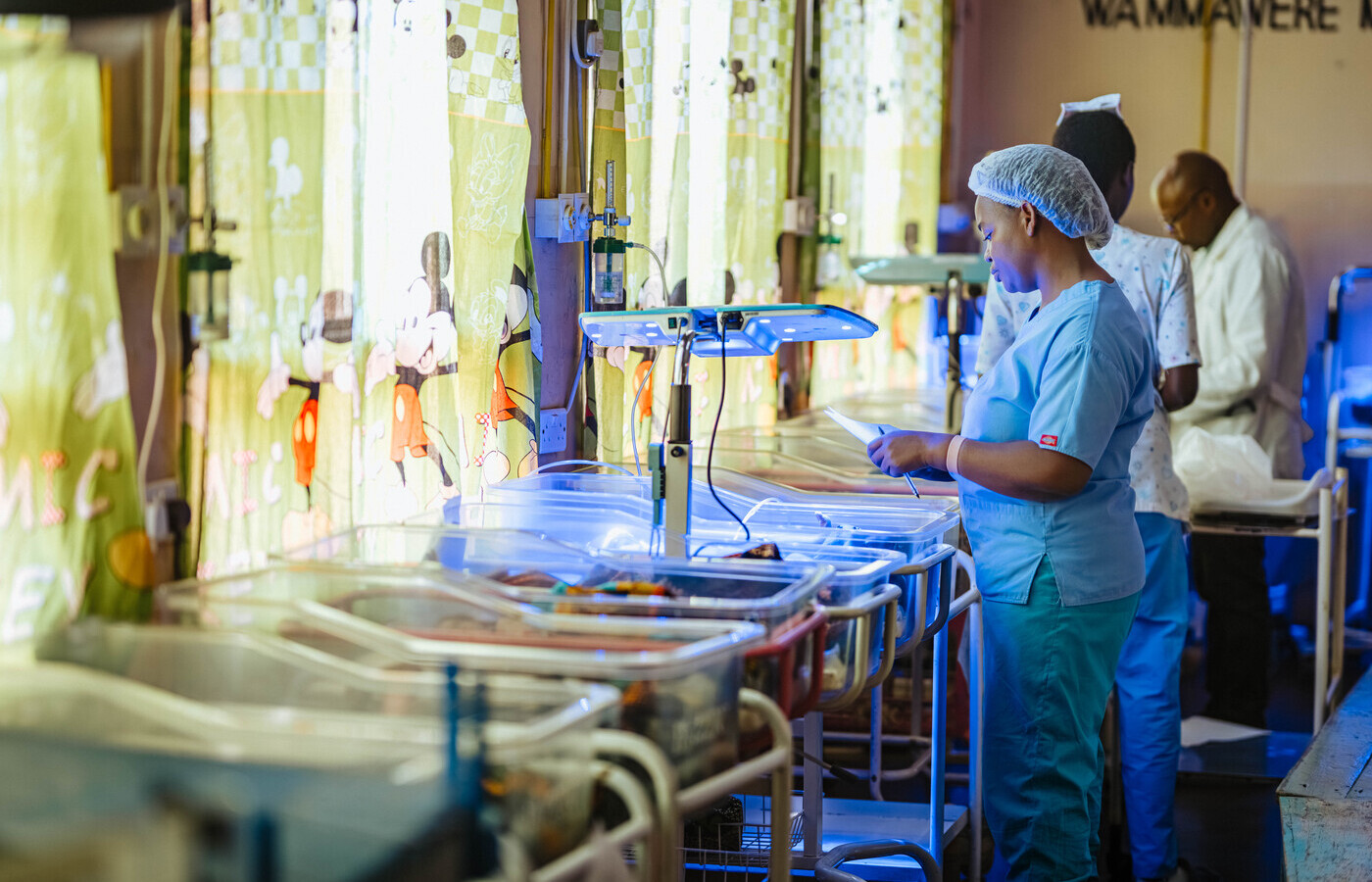
Mohamed bin Zayed Foundation’s 20 million US dollars commitment helped mobilise 322.4 US dollars million in additional government and development partner funding, with 120 health facilities set to receive equipment and essential medicines over three years.
Ethiopia has mobilised 342.4 million US dollars to strengthen maternal, newborn and child healthcare services, following a 20 million US dollars commitment from the Mohamed bin Zayed Foundation for Humanity that helped unlock additional financing from the government and development partners.
The financing forms part of a broader $135 million investment announced by the UAE-based foundation on November 26, targeting more than 500 health facilities across nine African countries, including Ethiopia, Kenya, Nigeria, Rwanda, Ghana, Liberia, Malawi, Sierra Leone and Mozambique.
Announced at the International Conference on Public Health in Africa (CPHIA) in Addis Ababa, the continental initiative is expected to attract more than 550 million US dollars in additional funding through matching contributions from participating governments and donors.
Ethiopia accounts for a significant share of the programme's announced commitments. The foundation's 20 million US dollars pledge to the country's Reproductive, Maternal, Newborn and Child Health (RMNCH) Compact helped secure a further 151.2 million US dollars from development partners, which was matched by an equivalent contribution from the Ethiopian government.
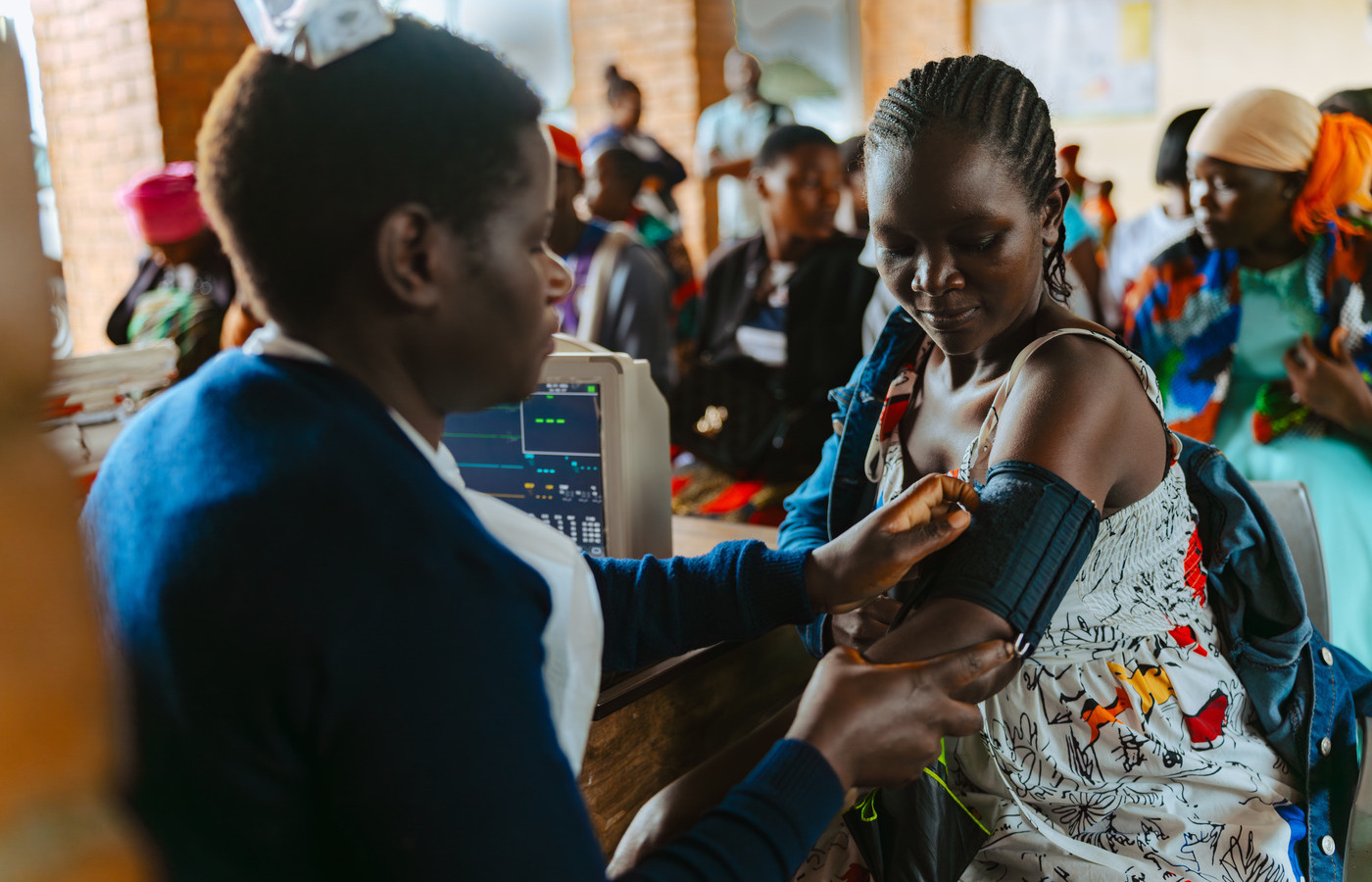
The resulting $342.4 million financing package will support around 120 health facilities over three years, providing essential medicines, medical equipment and technologies aimed at improving maternal and newborn care.
Planned investments include artificial intelligence-enabled ultrasound equipment to help healthcare workers identify pregnancy complications, alongside antibiotics to prevent and treat infections, including sepsis.
The financing comes as Ethiopia seeks to strengthen access to essential healthcare services and reduce preventable deaths among mothers, newborns and children. The availability of medical supplies and diagnostic equipment remains a constraint across many African health systems, with only 35 percent of essential medicines available in public health facilities and fewer than one-third of facilities equipped to conduct basic diagnostic tests, according to figures cited by the foundation.
The programme uses a co-financing model that links donor commitments with government spending, requiring participating governments to contribute at least an equivalent amount to the foundation's investment. The approach is intended to align external financing with national health priorities while increasing domestic funding for essential medical supplies.
Ethiopia's Health Minister Mekdes Daba said the compact would strengthen service delivery, improve the availability of essential medicines and reinforce healthcare services for women, newborns and children.
She said the arrangement builds on the government's broader health sector transformation agenda through shared investment and accountability between the government and its development partners.
The foundation's wider 135 million US dollars commitment also includes 15 million US dollars for Rwanda, expected to support 170 health facilities and mobilise an additional 40 million US dollars. The investment will cover equipment for managing complications during childbirth, incubators and respiratory support for premature and critically ill newborns.
In Liberia, a $10 million commitment, alongside matching donor funding, will support the country's national referral teaching hospital and associated facilities. The programme will finance equipment for complicated births, newborn care and faster diagnosis, as well as clinical training and biomedical engineering expertise to maintain medical equipment.
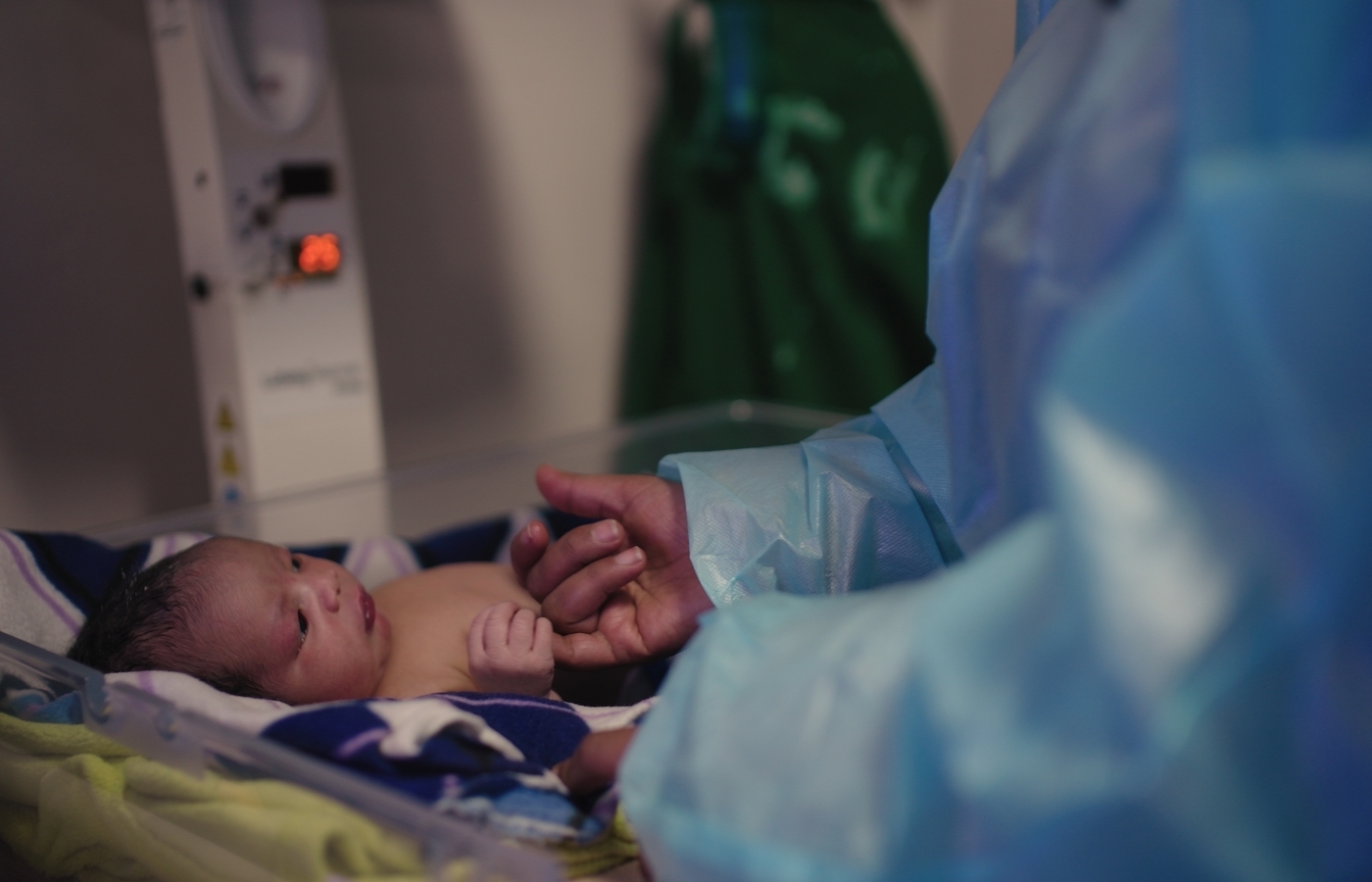
The nine-country initiative is expected to extend access to essential medicines, equipment and medical technologies across more than 500 healthcare facilities, with the foundation's funding designed to attract substantially larger contributions from governments and development partners.
For Ethiopia, the $342.4 million compact represents a financing package extending beyond the foundation's initial 20 million US dollars pledge, with implementation expected to cover 120 facilities over the next three years.